



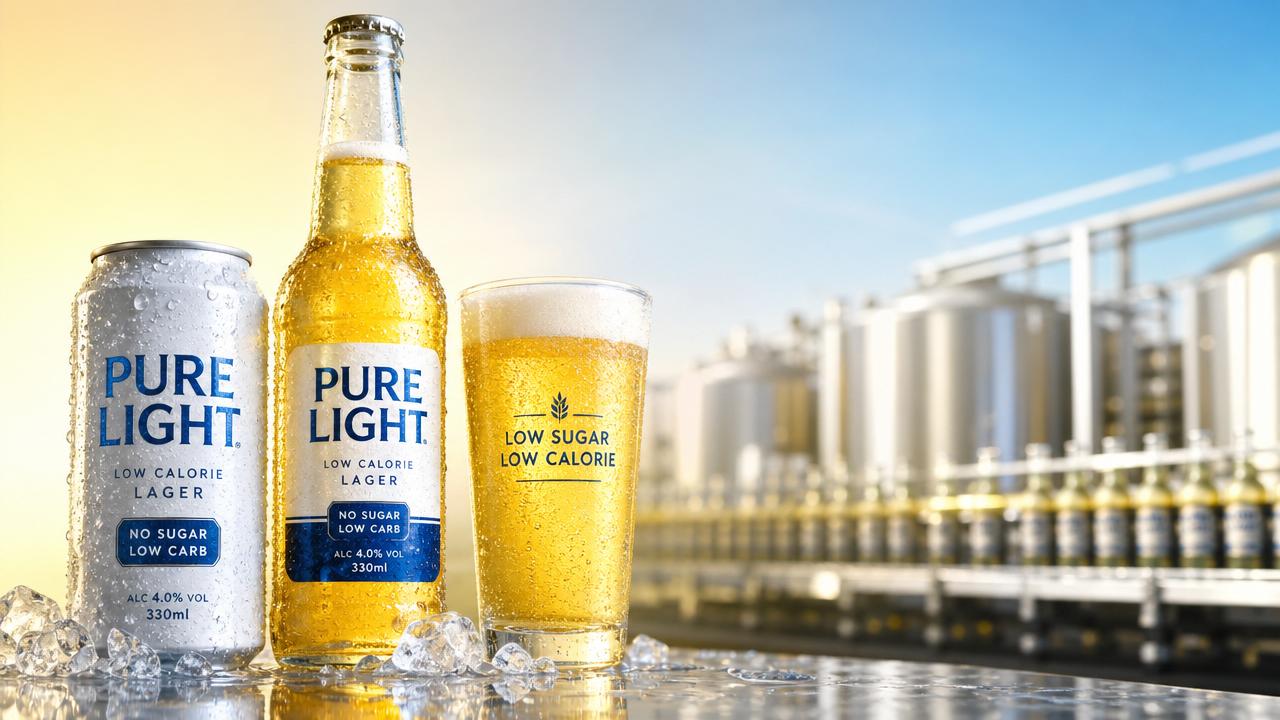
Looking for a reliable sugar-free beer supplier China can offer? As demand grows for healthier, low-calorie alcoholic drinks, understanding formulation claims, production standards and customization options has become essential for buyers and brand owners. This guide explores the key points you need to know before choosing a supplier, helping you evaluate product quality, innovation potential and long-term market fit.
For importers, private-label operators, supermarket buyers and beverage startups, sugar-free beer is no longer a niche line. It is increasingly part of a broader portfolio strategy aimed at calorie-conscious consumers, light-drinking occasions and premium retail positioning. When evaluating a sugar-free beer supplier China market participants can trust, formulation accuracy, taste balance, packaging flexibility and stable delivery often matter more than price alone.
Jinpai Beer focuses on craft beer R&D, production and distribution, covering classic lager, German wheat, sugar-free low-calorie beer, fruit beer and functional specialty beer. For B2B buyers, this matters because one supplier with OEM, ODM, wholesale and customized development capabilities can reduce coordination time by 2 to 4 weeks during new product launch planning.
Why Sugar-Free Beer Claims Matter in Export and Private Label Sourcing
The phrase “sugar-free” looks simple, but in alcoholic beverages it can involve different technical and regulatory meanings depending on the target market. A buyer searching for a sugar-free beer supplier China can provide should first confirm whether the claim refers to residual sugar, added sugar, total carbohydrate positioning or a low-calorie formulation strategy. These distinctions affect label approval, customs review and customer expectations.
Residual Sugar vs Added Sugar vs Consumer Perception
In brewing practice, sugar-free beer usually does not mean sweetness was never present at any stage. Fermentation converts fermentable sugars into alcohol and carbon dioxide, and a finished beer may be positioned as sugar-free when residual sugar is reduced to a very low level. For buyers, the practical issue is whether the formulation and final testing support the exact claim allowed in the destination market.
Consumer perception also differs by channel. In supermarkets, sugar-free often signals “lighter daily drinking.” In bars, it may be associated with lower burden after-work drinking. In online direct-to-consumer retail, shoppers may compare sugar-free beer with hard seltzer, low-carb beer and low-calorie RTD options within 3 to 5 seconds, so packaging language and nutritional presentation become critical.
Common buyer concerns before launch
- Whether the claim can pass local label compliance review in 1 to 3 submission rounds
- Whether low sugar also means lower calories, and by how much per 100ml
- Whether flavor remains clean, crisp and beer-like after sugar reduction
- Whether the supplier can provide test data, shelf-life guidance and packaging adaptation
A capable sugar-free beer supplier China buyers work with should explain these issues clearly instead of using generic health language. That helps distributors avoid product mismatch, especially when entering premium retail or chain restaurant channels where label scrutiny is stricter.
How Formulation Affects Taste, Calories and Positioning
Reducing residual sugar often changes mouthfeel, body and finish. A good brewer must rebalance malt character, bitterness and carbonation so the beer does not taste thin. In many commercial projects, alcohol by volume may sit around 2.5% to 4.5% for a lighter profile, while calorie targets are often discussed per 100ml or per 330ml serving. The exact target should match your market segment rather than follow a one-size-fits-all recipe.
For example, a convenience-store product may need easy-drinking refreshment and a clean finish, while a premium imported line may require more aroma, stronger craft cues and slightly fuller body. This is where a supplier with R&D depth becomes valuable, because sugar-free beer is not just a subtraction exercise. It is a formulation balancing project that usually involves 3 core variables: fermentability, sensory profile and nutritional positioning.
Key Technical Checks When Choosing a Sugar-Free Beer Supplier China Buyers Can Trust
Before comparing quotations, buyers should review technical capability. A reliable sugar-free beer supplier China exporters recommend should be able to discuss brewing process, sensory control, packaging compatibility and consistency across batches. This is especially important for OEM and ODM projects where a sample approved in month 1 must still taste stable in month 6 and month 12.
The table below highlights the most practical checkpoints during early supplier evaluation. These are not luxury criteria. They are baseline controls that influence reorder confidence, launch timing and customer satisfaction.
The key takeaway is that technical transparency is often a stronger indicator than headline price. If a supplier cannot explain formulation limits, sample lead time or claim support documents, buyers may face higher downstream costs in rework, retesting and delayed market entry.
Questions to Ask During Sampling
Sampling should not stop at taste feedback. During the first 2 or 3 sample rounds, ask for basic product specifications, recommended storage conditions, expected shelf life and packaging adaptation options. Buyers should also compare at least 2 sensory dimensions side by side: immediate taste impression and finish after 10 to 15 seconds. Sugar-free beer that feels clean at first sip may still end with an unbalanced bitterness or a hollow body.
- Request a baseline sample and one adjusted version for comparison.
- Check whether calorie positioning and sugar claim can be aligned.
- Review can, bottle and label options for target retail channels.
- Confirm estimated MOQ, production cycle and export document support.
- Test product fit for restaurants, bars, supermarket shelves or online bundles.
Consistency Matters More Than a Single Good Sample
A strong first sample is useful, but consistent repeat production is what defines a dependable sugar-free beer supplier China importers can build with. For this reason, buyers should ask how the supplier manages raw material variation, fermentation control and packaged product checks. In practice, even small shifts in yeast behavior, bitterness balance or dissolved gas can change the drinking experience noticeably over a 6- to 12-month shelf-life period.
OEM, ODM and Custom Development for Sugar-Free Beer Projects
Many buyers do not need an off-the-shelf item. They need a market-ready concept tailored for a specific audience, price point and channel. That is why OEM and ODM services are highly relevant when selecting a sugar-free beer supplier China beverage brands can scale with. Jinpai Beer’s broader craft beer portfolio can also support line extension, allowing importers to combine sugar-free SKUs with lager, wheat, fruit or functional specialty beer under one procurement framework.
Typical Customization Scope
Customization often covers 4 layers: liquid profile, alcohol level, package format and branding expression. A practical project may start with 330ml cans for e-commerce and retail, then expand into 500ml cans or glass bottles for horeca. Some brands prefer a neutral malt-forward profile, while others want citrus-forward refreshment or a stronger craft aroma to differentiate from mass-market low-carb beers.
Because sugar-free beer buyers serve different channels, MOQ and development pace should be discussed early. A distributor testing 1 or 2 cities may need smaller pilot volumes, while a supermarket rollout may require more structured forecasting for 3 to 6 months. Clear planning reduces packaging waste, avoids overproduction and helps schedule ingredient sourcing more accurately.
The following table shows how common customization paths differ by business scenario.
This comparison shows that customization is not only about appearance. It should connect product design with sell-through logic. The best supplier conversations move from “What package do you want?” to “What channel are you targeting, what price band do you need, and what repeat-purchase behavior do you expect?”
A Practical Development Workflow
5-step path from idea to shipment
- Requirement briefing: target market, price range, flavor direction and packaging type
- Sample development: usually 1 to 3 rounds depending on taste adjustments
- Label and specification review: align claim wording and product data
- Production confirmation: lock packaging materials, order quantity and lead time
- Delivery coordination: prepare export documents, shipping schedule and after-sales follow-up
For many projects, the total pre-launch cycle may range from 3 to 8 weeks before mass production, depending on customization depth. Buyers who prepare market inputs clearly at the start often save time later in artwork revision, carton proofing and sample re-approval.
Risk Control, Compliance Awareness and Long-Term Supplier Fit
Choosing a sugar-free beer supplier China businesses export from is not only a product decision. It is a risk-management decision. Label language, ingredient expectations, logistics conditions and channel pricing all influence long-term performance. A lower-cost product can become expensive if it creates compliance delays, taste inconsistency or poor shelf rotation.
Common Mistakes Buyers Should Avoid
- Assuming “sugar-free” means the same thing in every country or sales channel
- Approving a formula based only on one chilled tasting session
- Ignoring packaging durability for long-distance shipping and warehouse handling
- Choosing a supplier without confirming OEM or ODM responsiveness
- Launching one SKU without considering future line extension into 2 to 4 related styles
Another frequent issue is channel mismatch. A formula that works in bars may not perform in supermarkets if the can design lacks strong nutrition communication. Likewise, a highly craft-driven flavor may impress niche drinkers but underperform in mainstream retail where clean refreshment and easy repeat purchase are more important.
What Long-Term Cooperation Should Look Like
A dependable supplier relationship should support more than one transaction. Over 6 to 12 months, buyers usually need reorder planning, seasonal packaging updates, occasional formula fine-tuning and coordinated rollout of adjacent SKUs. This is where a diversified producer such as Jinpai Beer offers strategic value. A partner able to supply sugar-free low-calorie beer alongside lager, wheat, fruit and specialty lines can help distributors build a more resilient portfolio with fewer supply nodes.
For information researchers comparing options, the strongest signal is not who promises the most. It is who can answer operational questions clearly: what the formulation claim means, how sampling will proceed, what packaging formats are available, how long production may take and how the product fits your target market. Those answers reveal whether the supplier is prepared for real B2B execution.
Quick Buyer Checklist Before Inquiry
Prepare these 6 points for faster communication
- Target country and channel type
- Preferred package size such as 330ml or 500ml
- Desired alcohol level or taste direction
- Claim focus: sugar-free, low-calorie or both
- Estimated first order volume and reorder frequency
- Whether you need OEM, ODM or standard wholesale supply
If you are assessing a sugar-free beer supplier China can offer for private label, wholesale or distribution, focus on formulation clarity, sample consistency, customization depth and channel fit. Jinpai Beer combines craft beer R&D, production and global supply support across multiple beer categories, making it easier for buyers to develop market-ready products with practical OEM and ODM options. To discuss your target market, request samples or explore a tailored sugar-free beer solution, contact us today for product details and customized cooperation plans.
Related Posts
- ▶ What Makes a Chinese Beer Factory Competitive in Global Contract Brewing? Quality Consistency, Scalability, and IP Protection Frameworks
- ▶ How Chinese Beer Factory Export Performance Differs by Destination: EU Tariff Quotas vs. Southeast Asia Local Content Rules
- ▶ Why Malt Drink Factories Often Underestimate Water Treatment Needs for Beer Production — Hardness, Chlorine, and Silica Implications
Online Message
Thank you very much for writing to us. Please leave your message and contact information, we will reply to you within 24 hours.