



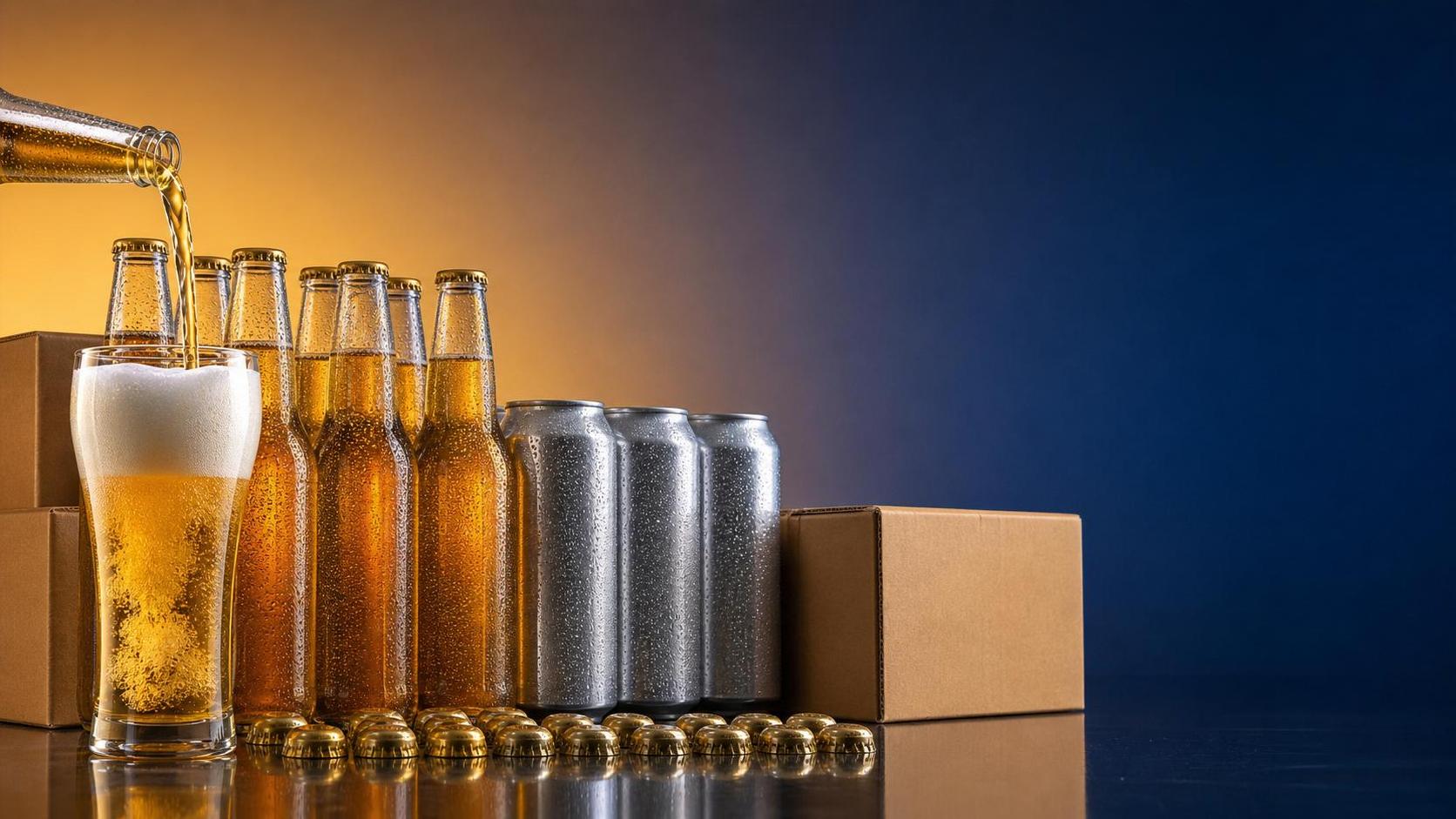
Strong Lager Beer Selection: Common Mistakes to Avoid
Choosing the right strong lager beer can shape product positioning, buyer confidence and long-term sales performance.
For teams comparing suppliers or product lines, small mistakes often create expensive problems later.
A strong lager beer may look simple on paper.
In practice, it sits at the intersection of flavor, strength, price, compliance and channel fit.
That is why strong lager beer selection should go beyond alcohol level and packaging appearance.
This guide covers the most common mistakes and shows how to evaluate strong lager beer with fewer blind spots.
Why Strong Lager Beer Selection Often Goes Wrong
Many decisions start with a narrow comparison table.
ABV, price and MOQ get attention first.
Those points matter, but they rarely tell the full story.
A strong lager beer that wins on cost alone may fail in repeat purchase, shelf turnover or private label expansion.
More noticeably, buyers sometimes evaluate samples in isolation.
They do not test the product against target consumers, intended channels or local drinking habits.
Mistake 1: Treating High ABV as the Main Quality Signal
This is one of the most common strong lager beer selection mistakes.
Higher alcohol does not automatically mean better value or better drinkability.
A good strong lager beer needs structure, not just strength.
If alcohol rises faster than body, bitterness or malt depth, the result feels hot and unbalanced.
That can hurt acceptance in bars, supermarkets and mainstream retail.
What to check instead
- Whether the alcohol finish feels smooth or sharp
- Whether malt sweetness supports the strength
- Whether the aftertaste stays clean enough for repeat drinking
- Whether the product still feels like a lager, not a heavy substitute
Mistake 2: Ignoring Flavor Consistency Across Batches
A sample can be impressive and still be a poor long-term choice.
Consistency is often the real test in strong lager beer sourcing.
If one batch is clean and another is overly sweet, buyers lose trust quickly.
This matters even more for wholesale supply, OEM and ODM projects.
Private label programs depend on stable sensory performance.
In actual business settings, one inconsistent launch can damage more than one SKU.
Questions worth asking suppliers
- How is flavor consistency monitored during production?
- What is the batch-to-batch variance tolerance?
- Can retained samples or production records be reviewed?
- How are customer complaints traced and corrected?
Mistake 3: Overlooking Market Fit and Drinking Occasion
Not every strong lager beer fits every market.
Some regions prefer a drier finish.
Others respond better to fuller malt character or a softer mouthfeel.
A strong lager beer designed for night channel sales may struggle in supermarkets.
Likewise, a low-drama profile may feel too light for premium on-trade positioning.
This also means packaging format, label tone and serving expectation should match the target scene.
Key fit checks
- Restaurant, bar or retail channel priority
- Mainstream volume play or premium niche strategy
- Single-serve convenience or sharing occasion
- Core consumer preference for sweetness, bitterness and finish
Mistake 4: Focusing on Price While Missing Total Commercial Cost
A low quote can look attractive during early screening.
But strong lager beer selection should include the full operating picture.
Unexpected freight issues, packaging defects or slow replenishment can erase the initial savings.
More importantly, weak shelf performance creates hidden opportunity cost.
A cheaper strong lager beer that turns slowly may cost more than a stronger performer.
Look beyond unit price
Mistake 5: Underestimating Production Capability
Supplier capability is a major part of strong lager beer evaluation.
A good product is not enough if the producer cannot scale with demand.
This becomes critical when planning regional distribution or customized packaging.
Breweries with real R&D and production depth usually handle adaptation better.
They can also support line extensions when market demand shifts.
For example, some partners need classic lager first, then move into wheat, sugar-free or fruit styles.
A supplier with broader craft beer development ability is easier to grow with.
Mistake 6: Skipping Packaging and Shelf-Life Validation
Strong lager beer quality does not end at filling.
It must survive storage, transport and channel handling.
If shelf life is technically acceptable but flavor fades early, repeat orders may slow down.
That risk is higher in export business with longer logistics cycles.
Packaging should also support the product’s price tier and channel identity.
A capable supplier should explain suitable can, bottle or pack options clearly.
Validation points
- Shelf-life test method and real storage assumptions
- Transport durability of carton and primary packaging
- Label compliance for destination markets
- Visual consistency across batches and formats
Mistake 7: Choosing a Supplier Without Customization Support
A standard product can work well, but many commercial opportunities need adjustment.
That is especially true in private label, regional distribution and channel-specific programs.
Strong lager beer selection should include flexibility around taste, packaging and brand presentation.
Without that support, expansion becomes slower and more fragmented.
Jinpai Beer, for example, combines craft beer R&D, production and distribution with OEM and ODM services.
That kind of setup helps buyers align strong lager beer sourcing with long-term portfolio planning.
It also supports wholesale supply and customized solutions across online and offline channels worldwide.
A Practical Evaluation Framework for Strong Lager Beer
To make comparison easier, use a structured review process.
- Define the target channel, price band and drinking occasion.
- Screen strong lager beer samples for balance, finish and repeat-drinking potential.
- Review batch consistency, quality control and production documentation.
- Check MOQ, lead time, packaging options and export readiness.
- Test the supplier’s ability to support OEM, ODM or tailored formats.
- Estimate margin using total commercial cost, not sample-stage pricing alone.
Final Takeaway
Strong lager beer selection is rarely about one variable.
The better decision usually comes from balancing flavor, consistency, market fit and supplier capability.
When these factors are reviewed together, risk becomes easier to manage.
That also creates a stronger base for wholesale growth, private label development and stable channel performance.
A reliable strong lager beer partner should offer more than a good sample.
The right partner should support product quality, commercial execution and future portfolio expansion.
That is the clearest way to avoid common selection mistakes and make stronger decisions with confidence.
Thank you very much for writing to us. Please leave your message and contact information, we will reply to you within 24 hours.