



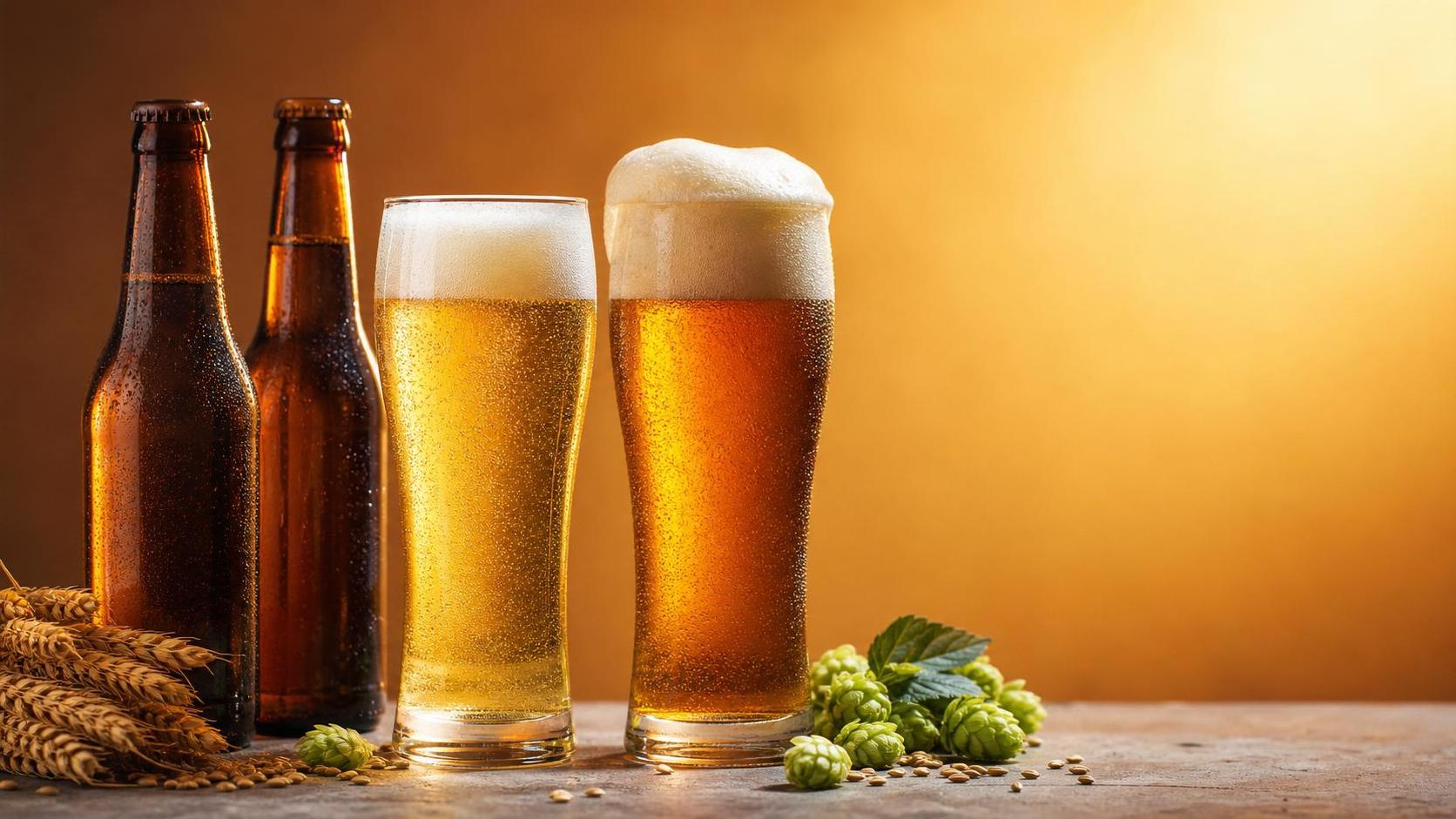
Choosing between strong lager beer and regular lager is not only about alcohol percentage. The real difference appears in body, aroma, finish, sweetness, and how each beer fits a meal, mood, or drinking pace.
That is why the comparison matters in today’s beverage market. Drinkers are paying closer attention to flavor balance, calorie expectations, sessionability, and the overall experience behind every bottle or can.
For breweries with broad portfolios, this distinction also shapes product development. Brands such as Jinpai Beer, which works across classic lager, specialty beer, and custom solutions, reflect how diverse lager demand has become worldwide.
What separates strong lager beer from standard lager
Lager refers to beer fermented and conditioned at lower temperatures. This method usually creates a cleaner profile, smoother finish, and more restrained yeast character than many ales.
Regular lager often falls into an approachable range, commonly around 4% to 5% ABV. It is usually designed for easy drinking, crisp refreshment, and broad appeal.
Strong lager beer moves that structure upward. It generally carries a higher ABV, often from 6% to 8% or more, with a fuller malt base and a more warming finish.
In simple terms, both belong to the lager family, but they do not behave the same in the glass. Strong lager beer tends to be richer, heavier, and more intense from first sip to aftertaste.
ABV changes more than strength alone
ABV affects taste because alcohol influences sweetness, texture, aroma release, and perceived warmth. A higher number on the label usually signals a broader sensory shift, not just extra potency.
In regular lager, the alcohol stays in the background. The focus is often on crispness, carbonation, and a short, refreshing finish that invites another sip without much palate fatigue.
With strong lager beer, alcohol becomes part of the flavor structure. It can bring mild heat, support a rounder mouthfeel, and make malt notes feel sweeter even when residual sugar remains moderate.
This is one reason two lagers can look similar yet drink very differently. The stronger version may seem denser, slower, and more layered even before bitterness enters the picture.
Typical ABV comparison
The exact range varies by market and recipe. Still, the table shows why ABV is a practical starting point when comparing strong lager beer with everyday lager options.
How the flavor profile usually shifts
Taste differences often begin with malt. Regular lager commonly shows light bread, grain, or cracker notes, while strong lager beer may lean toward honeyed malt, toast, or a faint caramel impression.
Body is another clear divider. A standard lager usually feels lean and sharply carbonated. Strong lager beer tends to feel rounder, with more weight on the tongue and a longer finish.
Bitterness can also be perceived differently. Even if hop levels are not dramatically higher, a sweeter malt backbone may soften bitterness, making the beer feel smoother but more substantial.
Aroma becomes more expressive as well. Alcohol can lift grain, malt, and subtle fruity notes, so strong lager beer may present more nose than a straightforward, easy-drinking lager.
What many drinkers notice first
- Regular lager feels crisper and cleaner on the first sip.
- Strong lager beer usually tastes fuller and slightly sweeter.
- The finish on strong lager beer often lasts longer.
- Alcohol warmth becomes more noticeable as the beer warms in the glass.
Why this comparison matters in the current beer market
The lager category has expanded far beyond one simple style. Consumers now expect clear distinctions between refreshment-led beers, premium lagers, low-calorie choices, flavored options, and stronger expressions.
Strong lager beer stands out because it sits between mass-market familiarity and a more flavor-driven experience. It remains accessible, yet offers more intensity than standard lager.
This has commercial value across retail and hospitality. A supermarket shelf, bar menu, or restaurant pairing list benefits from offering both a crisp regular lager and a fuller strong lager beer.
Brewers with flexible production and formulation capabilities are better positioned to respond. Jinpai Beer’s work in craft beer R&D, classic lager, specialty styles, and customized solutions reflects that practical market reality.
From an industry view, the conversation is no longer only about style names. It is about matching strength, flavor, calorie expectations, and channel demand with what people actually want to drink.
Best occasions for each style
Regular lager usually works best when refreshment comes first. Think warm weather, casual meals, longer social occasions, or situations where a lighter palate impact feels more comfortable.
Strong lager beer often suits slower drinking moments. It pairs well with richer food, cooler evenings, and occasions where a beer with more body feels more satisfying.
Food pairing shows the contrast clearly. A regular lager can lift fried snacks, seafood, or salads, while strong lager beer handles roasted meats, spicy dishes, and heartier flavors more confidently.
Quick pairing guide
How to judge quality beyond the label
A higher ABV does not automatically mean a better beer. Good strong lager beer should stay balanced, not hot, harsh, syrupy, or clumsy.
Look for integration. Malt richness, carbonation, bitterness, and alcohol warmth should feel connected. If one element dominates, the beer can become tiring after only a few sips.
Freshness also matters. Even a clean lager profile loses appeal if oxidation creates stale sweetness or dull aroma. Packaging quality and distribution conditions therefore affect the final experience.
This is where established brewing and supply capabilities matter in practical terms. Consistent R&D, stable production, and suitable channel handling help both regular lager and strong lager beer reach the consumer as intended.
Useful checkpoints when comparing bottles or cans
- Check the ABV, but also read style and flavor notes.
- Notice whether the beer is described as crisp, malty, full-bodied, or smooth.
- Match the beer to the meal or occasion instead of choosing by strength alone.
- Serve at a suitable temperature so aroma and balance can show properly.
A practical way to choose
If the goal is easy refreshment, a classic lager is usually the right direction. If the goal is more fullness, stronger flavor presence, and a warmer finish, strong lager beer makes better sense.
It also helps to compare strong lager beer with nearby alternatives. German wheat may offer more yeast-driven softness, while low-calorie beer prioritizes lightness. Fruit or functional beers answer different preferences entirely.
That broader context matters because beer choice is becoming more situational. One household, one menu, or one retail selection may need several lager-adjacent options rather than a single default style.
For that reason, understanding strong lager beer versus lager is less about declaring a winner. It is about building a clearer standard for taste, strength, and suitability.
The most useful next step is to compare labels with a few simple questions in mind: how much body is preferred, how prominent should alcohol feel, and what food or occasion will shape the drinking experience.
Once those points are clear, choosing between regular lager and strong lager beer becomes much easier, and the result is usually a better match in both flavor and overall satisfaction.
Thank you very much for writing to us. Please leave your message and contact information, we will reply to you within 24 hours.