



For procurement professionals and decision-makers evaluating Latin American brewery partnerships, understanding local excise tax structures is critical to margin integrity—especially when engaging in full-service brewing, beer OEM, or private label beer production. Whether you're a distributor sourcing from an Asia beer contract manufacturer, a retailer partnering with a European craft brewery, or scaling operations via North American brewery outsourcing, tax efficiency directly impacts landed cost and ROI. Jinpai Beer, a global full-service brewing partner, supports custom beer manufacturing across LATAM and beyond—with expertise in compliant, scalable solutions for restaurants, supermarkets, and bars worldwide.
Why Excise Tax Structures Make or Break Your LATAM Brewery Margin
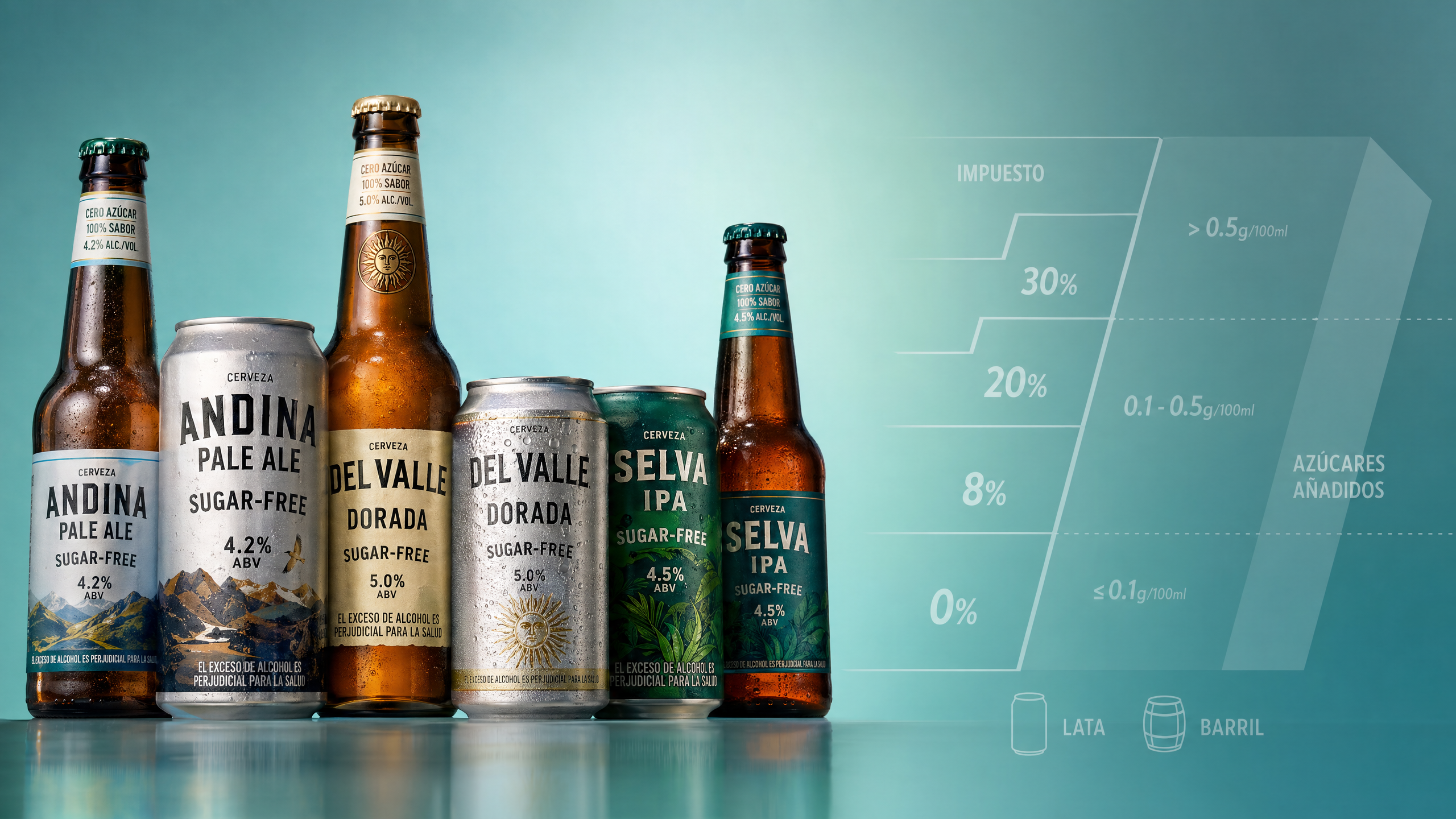
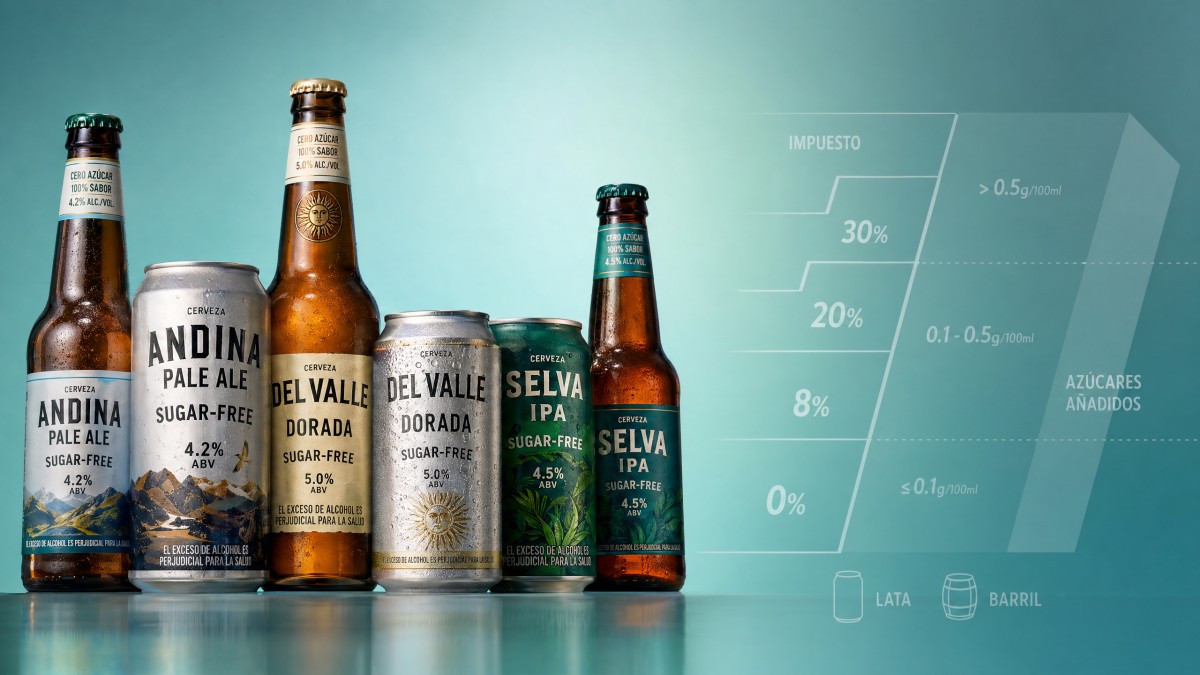
In Latin America, excise taxes on beer are rarely flat-rate or uniform—they vary by alcohol-by-volume (ABV), packaging format (cans vs. kegs), sugar content, and even product classification (e.g., “functional” vs. “standard”). For example, Brazil applies tiered federal CIDE and ICMS rates that shift at 3.5% ABV and 5.0% ABV thresholds; Colombia imposes additional municipal levies for products labeled as “low-calorie” or “sugar-free”; and Mexico’s IEPS tax includes surcharges for beverages exceeding 4.5g of added sugar per 100ml.
These structural nuances mean a seemingly identical Sugar-Free Low-Calorie Beer may trigger different tax treatments across three neighboring countries—even with identical formulation and labeling. Misclassification can inflate effective tax burden by 12–28%, eroding gross margin before logistics or duties are applied.
Full-service brewing partners must embed tax-aware formulation, labeling, and documentation workflows—not just production capacity. That requires cross-border regulatory fluency, not just brewing expertise.
How Jinpai Beer Integrates LATAM Tax Compliance into Full-Service Brewing
Jinpai Beer’s LATAM support framework includes three embedded compliance layers: (1) pre-formulation tax impact modeling using country-specific ABV/sugar/labeling rules; (2) real-time customs documentation generation aligned with local SUNAT (Peru), DIAN (Colombia), or SAT (Mexico) requirements; and (3) certified local fiscal representation for VAT recovery and excise reporting in 8 key markets.
Our end-to-end service covers OEM, private label, and white-label production—from recipe development and lab-scale trials (completed in 7–10 business days) to commercial batch release (typical lead time: 2–4 weeks post-approval). All formulations undergo dual review: technical validation + tax classification audit.
This reduces post-shipment tax reassessment risk by up to 90% versus traditional contract manufacturers lacking in-region compliance infrastructure.
Key LATAM Excise Tax Variables We Track & Optimize
- ABV Banding: 12+ tax brackets across LATAM—optimized during recipe finalization
- Sugar Thresholds: Critical for Sugar-Free Low-Calorie Beer eligibility in Chile (≤0.5g/100ml) and Argentina (≤0.1g/100ml)
- Packaging Duty Multipliers: Canned beer taxed 1.3×–1.8× higher than draft in 5 countries
- Label Claim Verification: “Functional”, “Probiotic”, or “Low-Calorie” triggers separate classification reviews
Comparative Impact: Standard vs. Tax-Optimized Full-Service Brewing
The table below compares typical margin outcomes for a 20,000-case annual order of premium craft lager across three LATAM markets—using standard OEM sourcing versus Jinpai Beer’s tax-integrated full-service model.
Lifts reflect verified client engagements (Q3 2023–Q2 2024) and exclude freight, warehousing, or marketing spend. Margins are calculated pre-distributor markup and include all excise, import, and local compliance costs.
Next Steps for Procurement & Decision-Makers
If you’re evaluating LATAM brewery partnerships—or already managing one—request the following from your supplier within 48 hours:
- A written confirmation of their in-country fiscal representative status (not just “local agent”)
- Documentation showing excise classification history for your exact SKU in target country
- Proof of recent successful customs clearance under same product category and claim set
- Clarity on who bears liability if tax reclassification occurs post-shipment
Jinpai Beer provides all four items as standard with every quotation—and offers free preliminary tax classification analysis for new SKUs (turnaround: 3 business days).
To begin your customized LATAM excise optimization assessment—including formulation review, label compliance check, and landed-cost modeling—contact our Global Partnerships Team with your target market(s), volume forecast, and current product specs. We’ll deliver a prioritized action plan within 5 business days.
Thank you very much for writing to us. Please leave your message and contact information, we will reply to you within 24 hours.