



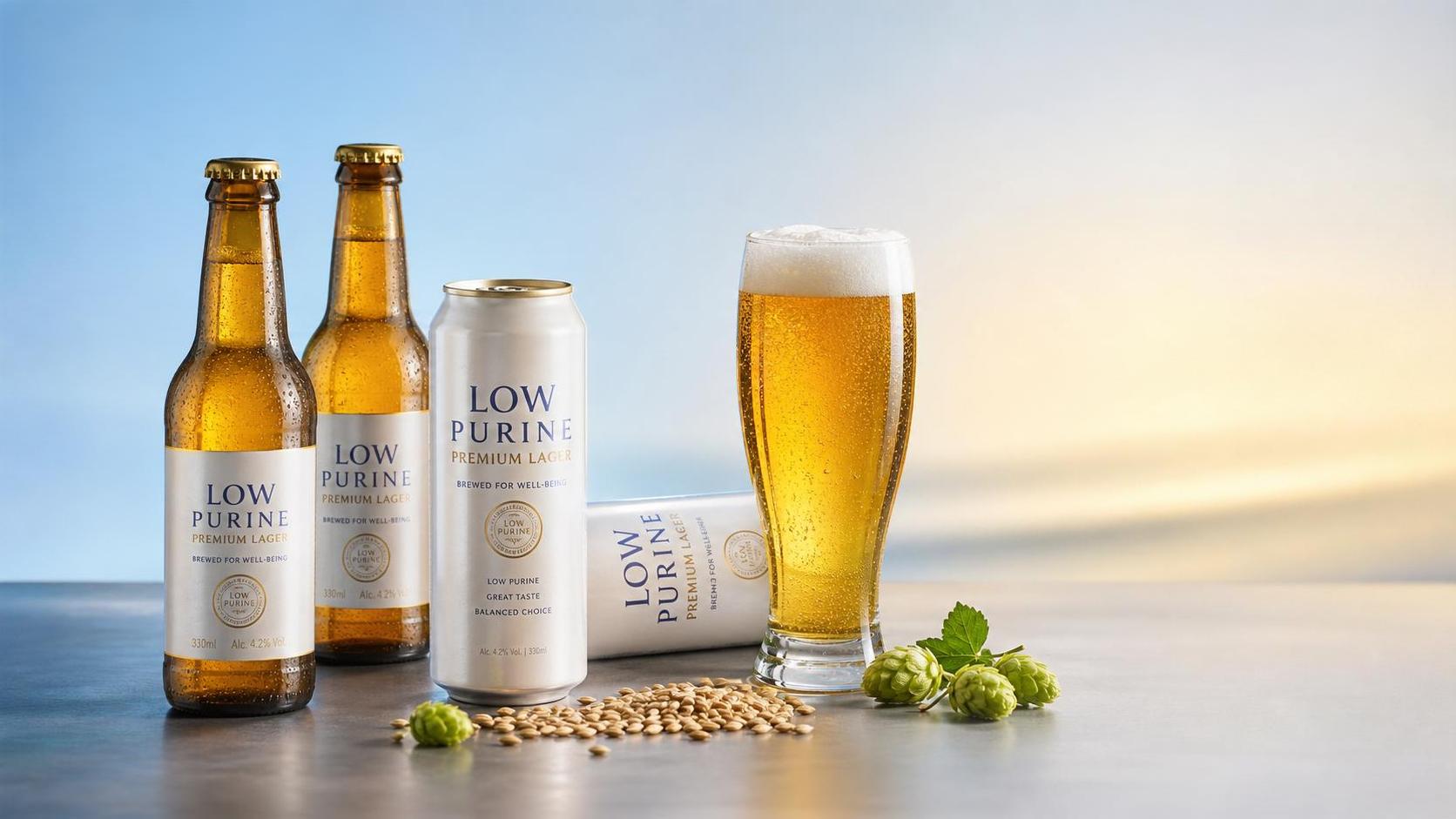
Low Purine Beer Moves From Niche Curiosity to Portfolio Signal
Health-led drinking choices are no longer limited to low sugar or low alcohol claims.
In 2026, low purine beer is gaining attention as a category with clearer commercial meaning.
The shift matters because it sits at the intersection of wellness, product labeling, and channel differentiation.
For beer portfolios facing crowded shelves, low purine beer offers a more specific health-positioned story than generic better-for-you messaging.
What makes the category worth watching is not hype alone.
It is the combination of consumer search behavior, tighter scrutiny of claims, and wholesale demand for products with measurable differentiation.
That combination is creating market signals across retail, foodservice, and private-label development.
Recent Signals Show Demand Becoming More Structured
From recent market feedback, interest in low purine beer is becoming less experimental.
It is appearing more often in assortment reviews, concept testing, and brand extension discussions.
This does not mean mass-market dominance is immediate.
It means the category is now being evaluated with business criteria, not only novelty value.
A notable change is how low purine beer is discussed alongside sugar-free low-calorie beer and other functional specialty beers.
That pairing suggests buyers are building broader health-oriented beer ranges rather than single-product experiments.
In practical terms, low purine beer now performs as a category signal.
It indicates whether a brand or distributor can respond to more segmented wellness demand.
Where the signal is becoming easier to read
- Online search patterns increasingly connect low purine beer with low-calorie and reduced-sugar alternatives.
- Retailers are testing shelf stories that explain functional differences more clearly.
- Foodservice channels are asking for easier menu positioning and cleaner health-related descriptions.
- Private-label projects are showing stronger interest in targeted formulations with documented product attributes.
Why This Category Is Advancing Now
The rise of low purine beer comes from several overlapping drivers.
One driver is consumer education.
People are reading ingredient stories and nutritional claims more carefully than before.
Another driver is portfolio fatigue.
Standard lager extensions no longer guarantee excitement in mature beer shelves.
Low purine beer creates a sharper reason to enter a conversation about modern beer choice.
There is also a manufacturing angle.
Breweries with stronger R&D capabilities can explore functional or specialty formulations more efficiently.
That matters in a market where speed, customization, and compliance all shape launch success.
Labeling Is Becoming a Competitive Filter, Not a Final Step
One of the clearest 2026 market signals is the role of labeling.
For low purine beer, packaging language increasingly shapes acceptance before taste trials even begin.
This is especially true in export channels and modern retail formats.
A vague health claim can create hesitation.
A precise claim with technical backing can accelerate trust.
More buyers now look beyond front-label appeal.
They review formulation logic, test references, and whether the wording will remain acceptable across markets.
That raises the bar for every low purine beer project entering broader distribution.
What stronger labeling now needs to do
- Explain the product benefit without implying unsupported medical outcomes.
- Align the claim language with local compliance expectations.
- Connect the label story with taste, style, and drinking occasion.
- Support private-label adaptation across different retail and horeca channels.
This is where experienced formulation and packaging coordination become more valuable.
Breweries already working across classic lager, wheat beer, low-calorie beer, and functional specialty beers are often better prepared.
They can align product development, claim discipline, and channel fit in one process.
The Impact Spreads Across More Than One Sales Channel
Low purine beer is not moving through the market in a single pattern.
Its meaning changes by channel, and that affects range planning.
In supermarkets, low purine beer often works as a shelf differentiation tool.
Online, it performs better when paired with educational product descriptions.
In bars and restaurants, the challenge is simpler communication.
The product must make sense quickly without sounding clinical or overcomplicated.
For wholesale and customized supply, the category matters in another way.
It gives partners a route to build differentiated beer portfolios without abandoning familiar beer formats.
That channel flexibility helps explain why low purine beer is receiving more attention in OEM and ODM conversations.
When a supplier can support formulation, packaging adaptation, and worldwide channel distribution, category testing becomes easier to scale.
What the 2026 Market Still Has Not Settled
The opportunity is real, but the category is not fully standardized.
That is why overconfidence can be costly.
Taste expectations remain important.
A low purine beer that communicates well but drinks poorly will not build repeat demand.
Claim language also remains uneven across jurisdictions.
What works in one market may need adjustment elsewhere.
More worth noting is the risk of category confusion.
If low purine beer is positioned too close to every other wellness beer, it loses its commercial sharpness.
The better near-term questions
- Is the claim understandable in under ten seconds on shelf or menu?
- Can the formulation story be documented for channel and compliance review?
- Does the product sit clearly beside lager, wheat, or low-calorie lines without overlap?
- Can the concept be localized for different regions without rebuilding the full product strategy?
How to Read the Next Phase of Low Purine Beer
The next stage will likely reward disciplined category building rather than rapid claim expansion.
Low purine beer should be tracked through a few practical signals.
Watch whether repeat orders improve after the first listing cycle.
Watch whether label language becomes more standardized in key export markets.
Watch whether the category is supported by wider better-for-you beer portfolios.
Those signals reveal whether low purine beer is becoming a stable segment or staying a selective niche.
In actual business planning, the strongest response is not to chase every health claim.
It is to build a beer range that balances taste, proof of formulation, and adaptable channel positioning.
That is why integrated breweries with craft R&D, broad product lines, and customized supply capabilities are well placed.
They can test low purine beer within a wider portfolio that may include classic lager, German wheat, sugar-free low-calorie beer, fruit-flavored beer, and functional specialty beers.
This wider context reduces risk and improves strategic fit.
A Practical Direction for the Months Ahead
Low purine beer is becoming more relevant because it answers a sharper market question.
What kind of beer innovation can still feel familiar, useful, and commercially defensible?
In 2026, the answer increasingly points toward focused health-positioned subcategories with credible execution.
The best next move is to compare channel feedback, review labeling readiness, and test where low purine beer fits within a broader beverage strategy.
That approach keeps decisions grounded in market signals rather than short-lived excitement.
It also creates a more reliable path for differentiated retail, foodservice, and private-label growth.
Thank you very much for writing to us. Please leave your message and contact information, we will reply to you within 24 hours.