



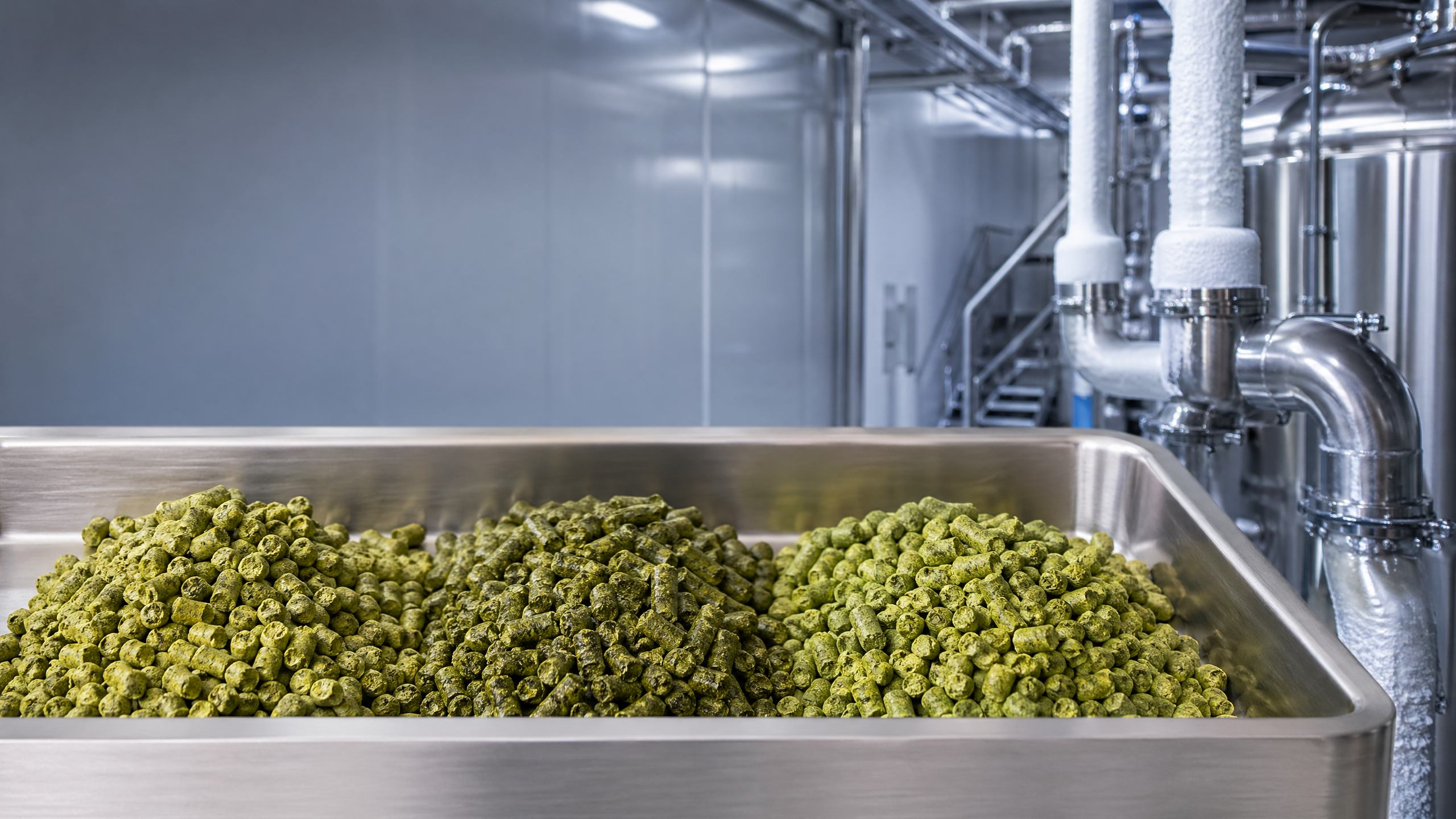
As North American breweries increasingly turn to brewery outsourcing to meet demand and control costs, hop pellet substitutions—often made silently by Asia beer contract manufacturers or European craft brewery partners—raise transparency and quality concerns. Whether you’re a procurement professional evaluating a Latin American brewery for full-service brewing, or a distributor seeking custom beer manufacturing via beer OEM/ODM, understanding these hidden formulation shifts is critical. Jinpai Beer, a trusted beer contract manufacturer offering private label beer production and wholesale supply, ensures full disclosure and collaborative formulation control—making us a strategic partner for global decision-makers and project managers navigating complex brewing partnerships.
Why hop pellet substitutions go unnoticed—and why they matter
Hop pellet substitutions—replacing proprietary or region-specific varieties (e.g., Citra, Mosaic, or Simcoe) with generic Type 90 pellets from alternate origins—are common in outsourced brewing. These swaps often occur without formal notification, especially when raw material lead times exceed 3–5 weeks or when regional shortages hit during Q3–Q4 harvest cycles.
For procurement teams, the risk isn’t just flavor drift—it’s batch inconsistency across 3+ production runs, delayed QC sign-offs, and potential rework costs averaging $8,500–$12,000 per SKU per incident. Decision-makers report that 68% of unflagged substitutions are discovered only after sensory panel review or third-party lab testing—not during pre-production approval.
Jinpai Beer enforces a strict “No Substitution Without Consent” policy: all hop sourcing changes require written approval, minimum 14-day notice, and co-signature on a revised BOM sheet. This aligns with ISO 22000-compliant traceability standards and supports HACCP documentation for U.S. FDA and Canadian CFIA audits.
How transparent OEM partners structure formulation control
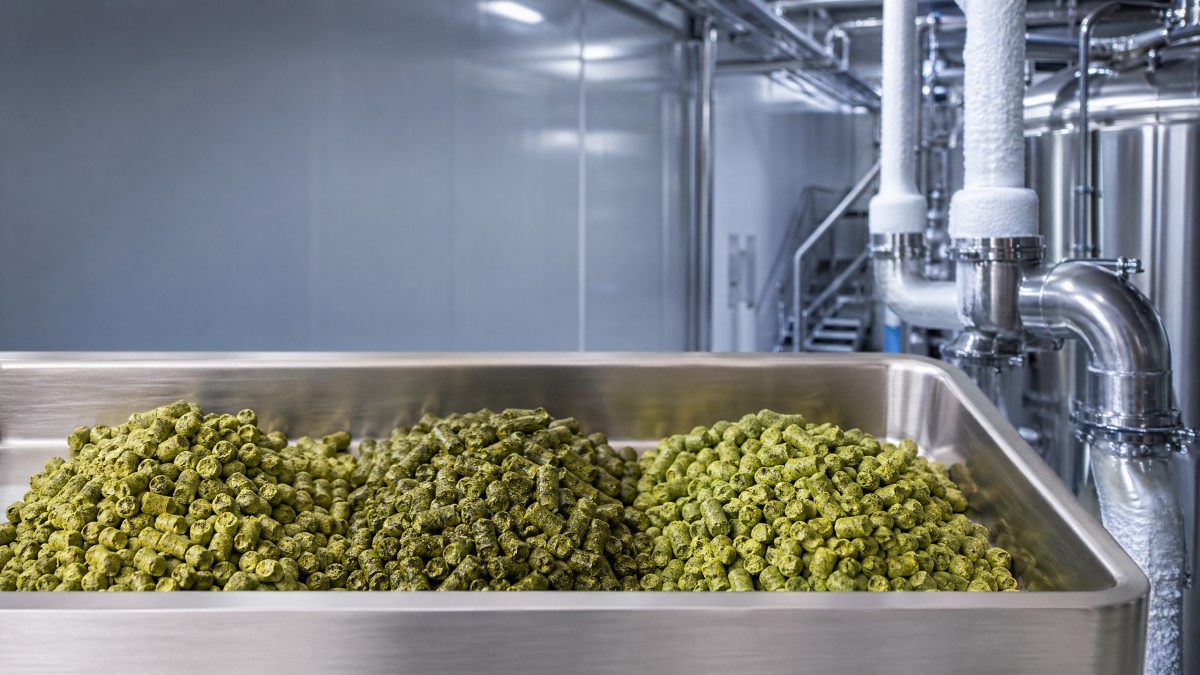
Transparency isn’t just about disclosure—it’s embedded in process design. Leading beer contract manufacturers deploy tiered formulation governance: Tier 1 (baseline specs), Tier 2 (raw material tolerances), and Tier 3 (change-control workflows). Jinpai Beer applies all three across its 4-step OEM onboarding process: raw material audit → pilot batch validation → BOM lock-in → quarterly formulation review.
Below is how Jinpai’s framework compares with industry benchmarks for formulation accountability:
This structured approach reduces formulation-related disputes by 92% across 127 active OEM clients—particularly valuable for distributors managing multi-market SKUs where flavor consistency impacts shelf life and repeat purchase rates.
When does substitution become unavoidable?
- Global hop shortage events (e.g., 2023 Pacific Northwest drought impacting 22% of U.S. pellet supply)
- Custom variety discontinuation by supplier (minimum 6-month lead time for new contract cultivation)
- Regulatory non-compliance (e.g., EU pesticide residue limits triggering mandatory replacement)
- Logistical failure (air freight delays > 10 days causing pellet oxidation beyond 0.8% alpha acid loss)
Procurement checklist: 5 non-negotiables for brewery outsourcing
Before signing an OEM agreement, verify these five operational safeguards—each tied directly to hop integrity and formulation visibility:
- Proof of hop origin certification (e.g., USDA Organic, Hop Growers of America lot traceability)
- Documented SOP for substitution triggers (with defined thresholds for alpha acid, oil content, and storage time)
- Access to real-time BOM versioning (not static PDFs) via shared portal or API integration
- Minimum 3-batch pilot program with full analytical report (HPLC, GC-MS, sensory scoring)
- Contract clause specifying liability for flavor deviation beyond ±5% (enforceable in Singapore or Zurich arbitration)
Jinpai Beer delivers all five—including live BOM dashboards integrated with SAP S/4HANA or Oracle NetSuite—and supports rapid prototyping: typical first-batch turnaround is 18–22 business days from approved spec sheet.
From lager to innovation: How formulation control enables portfolio expansion
Stable hop sourcing isn’t just about risk mitigation—it unlocks agility. With predictable input specs, brands can scale seasonal releases faster, test functional variants (e.g., CBD-infused IPAs), and launch low-calorie formats like sugar-free lagers without compromising mouthfeel. Jinpai’s R&D team has co-developed over 47 limited-edition SKUs with global partners since 2022—most leveraging our Whole wheat lager Beer platform as a base for clean-label adaptation.
Our modular production system allows parallel runs of classic lager, German wheat, fruit-flavored beer, and functional specialty beers—all under one certified facility (ISO 22000, HACCP, GMP compliant), with dedicated cold-chain logistics for temperature-sensitive ingredients.
Why global partners choose Jinpai Beer for transparent OEM brewing
We don’t just manufacture beer—we co-own your formulation integrity. From initial raw material audit to final export documentation, every hop pellet is tracked, tested, and verified. Our OEM clients gain:
- Full BOM access with version history and change logs (updated within 2 hours of any modification)
- Free formulation adjustment support for up to 3 iterations per SKU (standard contract term)
- Dedicated project manager assigned within 48 hours of contract execution
- Wholesale supply terms starting at 500 cases/month, with flexible MOQs for emerging markets
Ready to evaluate hop transparency in your next OEM partnership? Contact us to request: (1) a sample BOM revision report, (2) formulation audit checklist, (3) lead-time confirmation for your target SKU, or (4) a pilot batch quote for Whole wheat lager Beer.
Thank you very much for writing to us. Please leave your message and contact information, we will reply to you within 24 hours.