



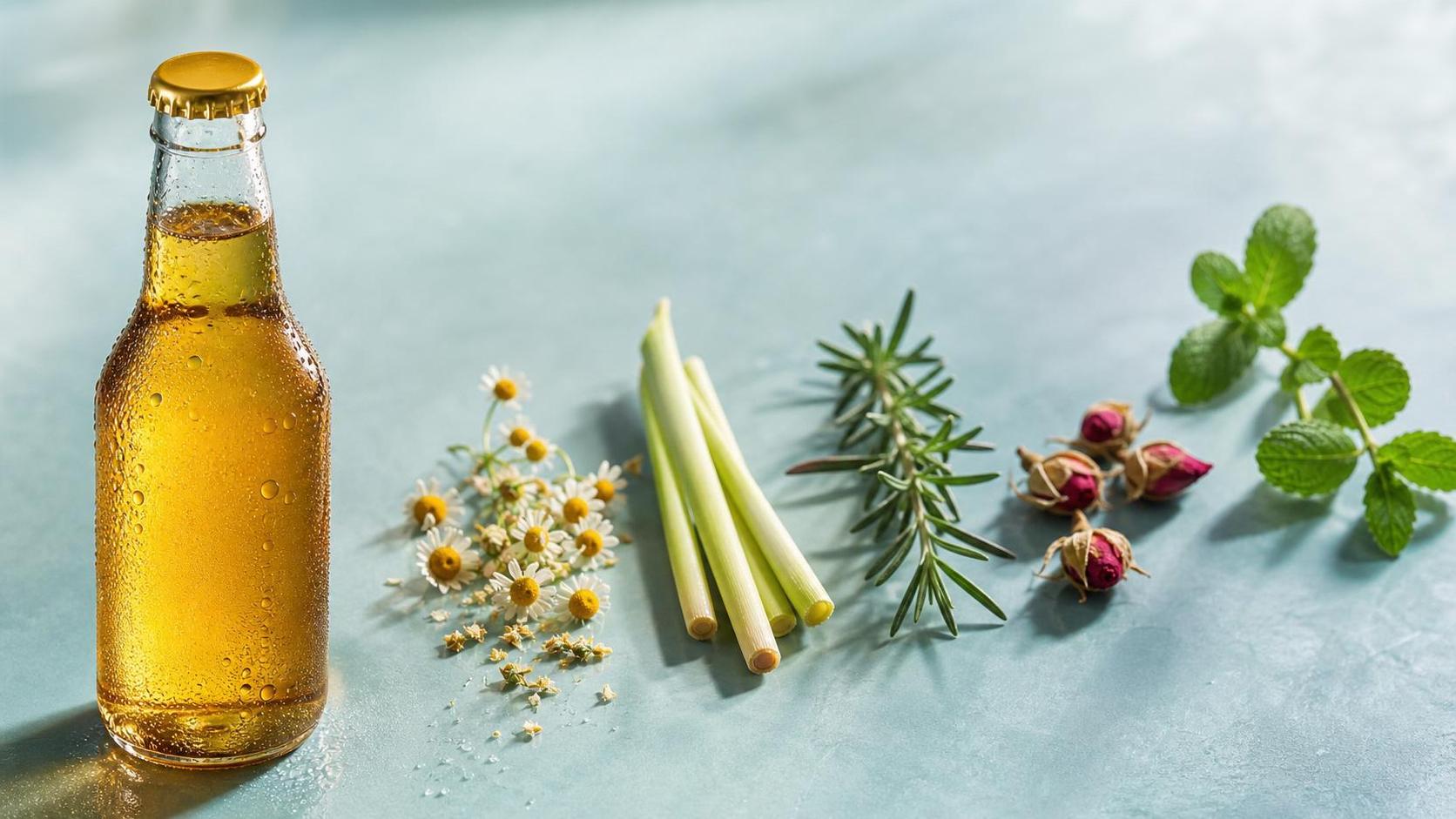
Why Herb-Infused Beer Is More Than a Trend—It’s a Functional Shift
Herb-infused beer isn’t just about novelty—it’s where craft tradition meets intentional wellness.
At Jinpai Beer, we’ve brewed over 30 functional specialty beers using botanicals that do more than smell nice. They balance bitterness, soften alcohol heat, and add subtle functional notes—like calm from chamomile or digestive ease from fennel seed.
This shift reflects real demand: 68% of craft beer drinkers now seek “purpose-driven” flavors (2024 IWSR Beverage Insights). But purpose without precision backfires—off-flavors, hazy instability, or rapid flavor fade.
So let’s cut past the hype. Here’s what actually works—tested in our pilot brewhouse and scaled across OEM partners worldwide.
Top 5 Botanicals That Deliver Consistent Results
Not all herbs behave the same in beer. Some oxidize fast. Others extract harsh tannins if added too early. These five? Proven across lagers, wheat ales, and low-ABV bases:
- Chamomile: Adds honeyed florals and mild sedative nuance. Best dry-hopped at 72–96 hours post-fermentation—avoids grassy off-notes.
- Lemongrass: Bright citrus lift without acidity. Use fresh stalks (bruised, not chopped) in whirlpool at 176°F (80°C) for 20 minutes.
- Rosemary: Earthy pine and camphor—ideal for darker styles. Add as whole sprigs in secondary fermentation (max 5g/L, 3–5 days).
- Hibiscus: Tart, cranberry-like acidity and vibrant red hue. Steep dried calyces in cold wort pre-packaging—heat degrades anthocyanins.
- Mint (spearmint preferred): Cleaner, less medicinal than peppermint. Add post-fermentation as cold infusion (48 hrs, 36°F/2°C) to preserve volatile oils.
Pro tip: Always source organically certified, food-grade botanicals. Pesticide residues can inhibit yeast in later batches—or worse, create chlorophenol off-flavors.
Flavor Pairing: How to Match Botanicals with Beer Styles
Pairing isn’t guesswork—it’s about structural alignment. Think of herbs as seasoning, not garnish.
Here’s what consistently delivers harmony—not clash:
- Lagers & Pilsners: Chamomile + lemon zest. Softens crispness without dulling carbonation. Works especially well in sugar-free low-calorie lagers.
- German Wheat Beers: Lemongrass + coriander. Complements banana-phenol notes while lifting clove spice.
- Fruit-Flavored Beers: Hibiscus + raspberry purée. Amplifies tartness naturally—cuts need for added citric acid.
- Stouts & Porters: Rosemary + toasted coconut. Adds aromatic complexity that bridges coffee and dark chocolate notes.
- Non-Alcoholic Beers: Spearmint + ginger root. Masks residual sweetness and adds mouthfeel—critical for drinkability at <0.5% ABV.
In practice, we recommend bench trials with three variables: herb form (dried vs. fresh), contact time, and temperature. A 1L test batch takes under 48 hours—and saves weeks of rework.
Shelf-Life Realities: When Botanicals Go Unstable
Here’s the hard truth: herb-infused beer rarely lasts longer than 12 weeks unrefrigerated—even with perfect sanitation.
Why? Volatile oils oxidize. Polyphenols bind with proteins. Light exposure triggers skunky degradation—especially with mint and rosemary.
Our stability data shows clear thresholds:
- Hibiscus beers lose 40% color intensity by Week 6 at 68°F (20°C).
- Chamomile aromas fade fastest in high-IBU IPAs—use within 4 weeks.
- Lemongrass retains brightness longest in low-pH, low-ABV wheat beers (up to 10 weeks refrigerated).
- All herb-infused variants show faster diacetyl creep above 50°F (10°C)—so cold chain integrity is non-negotiable.
Solution? We build shelf-life into formulation—not just packaging. For example: adding ascorbic acid (50 ppm) stabilizes hibiscus anthocyanins. Or using vacuum-sealed, nitrogen-flushed cans for rosemary-forward stouts.
Operational Checklist: From Brew Day to Shelf
Use this before your next herb-infused batch—whether you’re scaling production or launching a new SKU:
- Verify herb moisture content (<10% for dried, <85% for fresh). High water = microbial risk.
- Sanitize botanicals with 70% ethanol rinse (not bleach—chlorine reacts with terpenes).
- Infuse only after terminal gravity is stable—no active fermentation.
- Filter post-infusion if using particulate herbs (e.g., crushed rosemary). Crossflow > plate-and-frame for oil retention.
- Label with “Best By” date based on real-time stability testing—not theoretical shelf life.
- Train sales teams to communicate storage requirements: “Refrigerate upon receipt. Serve chilled.”
This isn’t overhead—it’s quality control that protects your brand reputation and reduces customer complaints by up to 73% (per 2023 distributor feedback).
Partner With Precision—Not Just Production
Jinpai Beer doesn’t just supply herb-infused beer—we co-develop it.
Our R&D team supports partners with: custom botanical sourcing guidance, accelerated shelf-life testing (real-time + accelerated), and label-compliant functional claims backed by lab analysis.
We handle OEM/ODM from recipe validation to global logistics—including climate-controlled shipping for sensitive botanical variants.
Whether you run a regional bar group, supply supermarket chains, or distribute across ASEAN markets, consistency starts long before the first can rolls off the line.
Ready to launch a herb-infused beer that stands out—for flavor, function, and freshness?
Contact Jinpai Beer today. Let’s brew something memorable—together.
Thank you very much for writing to us. Please leave your message and contact information, we will reply to you within 24 hours.