



Choosing the right craft beer supplier is about more than checking boxes on certifications—it’s about trusting every batch to deliver identical flavor, clarity, and quality. For procurement professionals sourcing for bars, restaurants, or retail chains, inconsistent batches mean customer complaints, wasted inventory, and brand risk. At Jinpai Beer, we prioritize rigorous process control, real-time fermentation monitoring, and multi-point sensory testing—not just compliance—to ensure unwavering batch consistency across lagers, wheat beers, low-calorie variants, and functional specialties. Discover why leading buyers partner with us for reliability you can taste, not just verify.
When “Certified” Doesn’t Mean “Consistent”
Food safety certifications—like HACCP, ISO 22000, or BRCGS—are essential baseline requirements. But they validate systems, not sensory outcomes. A brewery may pass annual audits while delivering perceptibly different bitterness, haze levels, or ester profiles across consecutive batches of the same German wheat beer.
That gap matters most where repeat purchase hinges on expectation: a bar guest ordering “the same hazy IPA as last Thursday,” or a supermarket chain restocking sugar-free low-calorie beer under strict shelf-life labeling. Certification confirms intent. Consistency proves execution.
How Batch Variability Impacts Real-World Channels
Different distribution channels expose distinct vulnerabilities to inconsistency:
- On-premise venues (bars, restaurants): Staff rely on predictable mouthfeel and carbonation to pair with food. One over-attenuated fruit-flavored beer may lack body; the next may be cloying—damaging menu credibility.
- Retail supermarkets: Shelf-ready packaging demands uniform color, foam stability, and sediment behavior. Visible haze variation in identical SKUs triggers consumer doubt—even if microbiologically sound.
- E-commerce fulfillment: Direct-to-consumer orders amplify sensory expectations. A single off-batch review citing “metallic aftertaste” or “flat carbonation” can erode trust across an entire product line.
- OEM/ODM partners: Brand owners invest in formulation, label design, and marketing. Inconsistent base beer undermines their equity—especially in functional specialty beers where bioactive ingredient efficacy depends on stable pH and alcohol-by-volume (ABV) tolerance.
What Drives True Batch Consistency—Beyond Paperwork
At Jinpai Beer, consistency starts before the first grain is milled:
- Raw material traceability: We source malt and hops from pre-qualified farms with documented harvest windows—and test each lot for moisture, alpha acids, and diacetyl precursors.
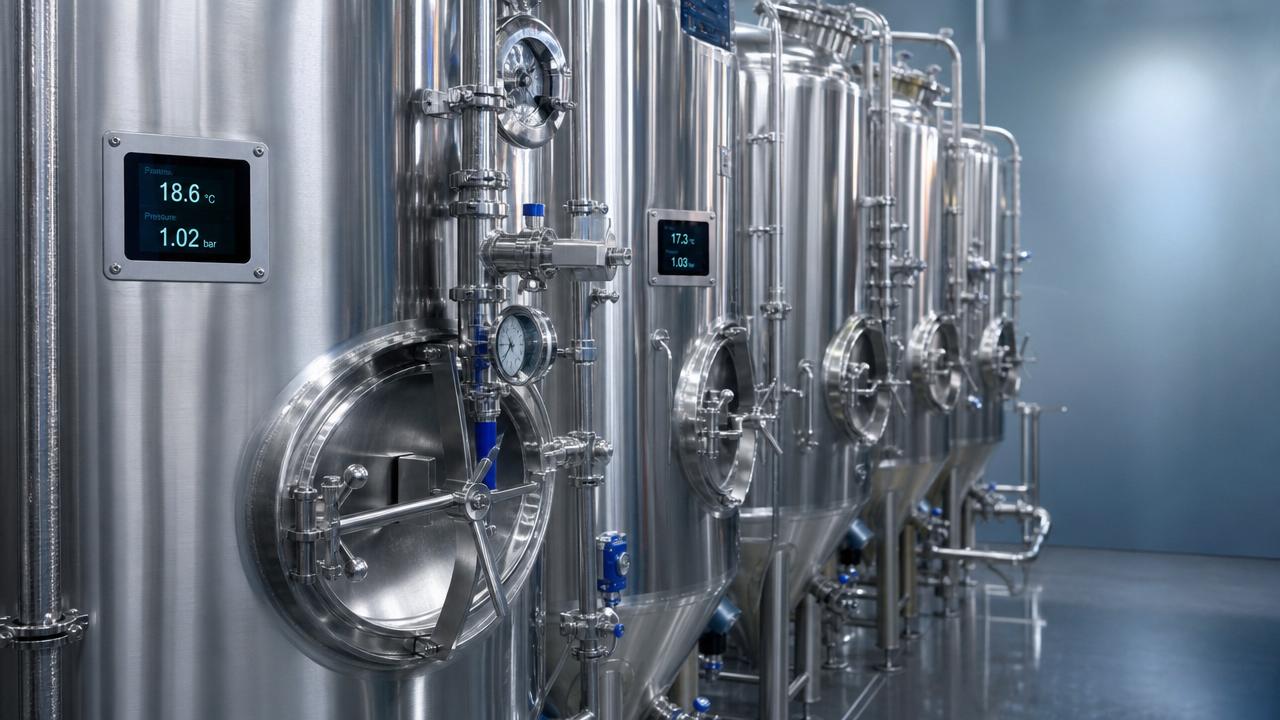
- Fermentation precision: Every tank uses inline temperature, pressure, and dissolved oxygen sensors. Yeast health is tracked via cell count, viability, and glycogen staining—not just gravity drops.
- Sensory triage at three stages: Post-fermentation, post-filtration, and pre-packaging. Trained panels assess aroma balance, bitterness integration, and finish length using calibrated reference standards.
- Stability validation: Low-calorie and functional beers undergo forced-age testing (30°C/14 days) to confirm no off-flavor generation or protein haze formation—critical for extended shelf life.
Comparing Supplier Evaluation Criteria Across Use Cases
Common Oversights When Vetting a Craft Beer Supplier
Buyers often miss these subtle but decisive signals:
- Requesting only one “representative” batch sample—instead of requesting three consecutive production runs of the same SKU.
- Over-indexing on lab reports without tasting side-by-side with prior batches or competitive benchmarks.
- Assuming small-batch pilot runs reflect full-scale consistency—when scaling introduces new variables in wort oxygenation, yeast pitching rate, or filtration kinetics.
- Ignoring packaging-line impact: Can the supplier prove fill-level accuracy, crown seal integrity, and light-strike resistance across 10,000+ units?
Next Steps: Building a Consistency-First Partnership
If your current craft beer supplier meets certification checks but struggles with repeatability, it’s time to shift focus:
- Ask for a batch history dossier: 6 months of ABV, IBU, SRM, and sensory panel scores per SKU—not just averages, but ranges and outliers.
- Request a consistency audit visit: Observe live fermentation logging, sample handoff protocols, and how deviations trigger corrective action—not just documentation.
- Test our multi-format portfolio: From classic lager to functional specialty beers, all built on the same consistency architecture. No SKU is treated as “secondary.”
- Explore OEM/ODM collaboration: We co-develop specifications—not just fulfill them—with shared ownership of sensory benchmarks and stability thresholds.
Jinpai Beer delivers more than certified craft beer. We deliver confidence—batch after batch, channel after channel, market after market. Because consistency isn’t a feature. It’s the foundation of every trusted craft beer supplier relationship.
Ready to move beyond compliance to continuity? Contact Jinpai Beer today for a tailored batch consistency assessment—and receive a complimentary sensory comparison kit featuring three consecutive batches of your preferred style.
Thank you very much for writing to us. Please leave your message and contact information, we will reply to you within 24 hours.