



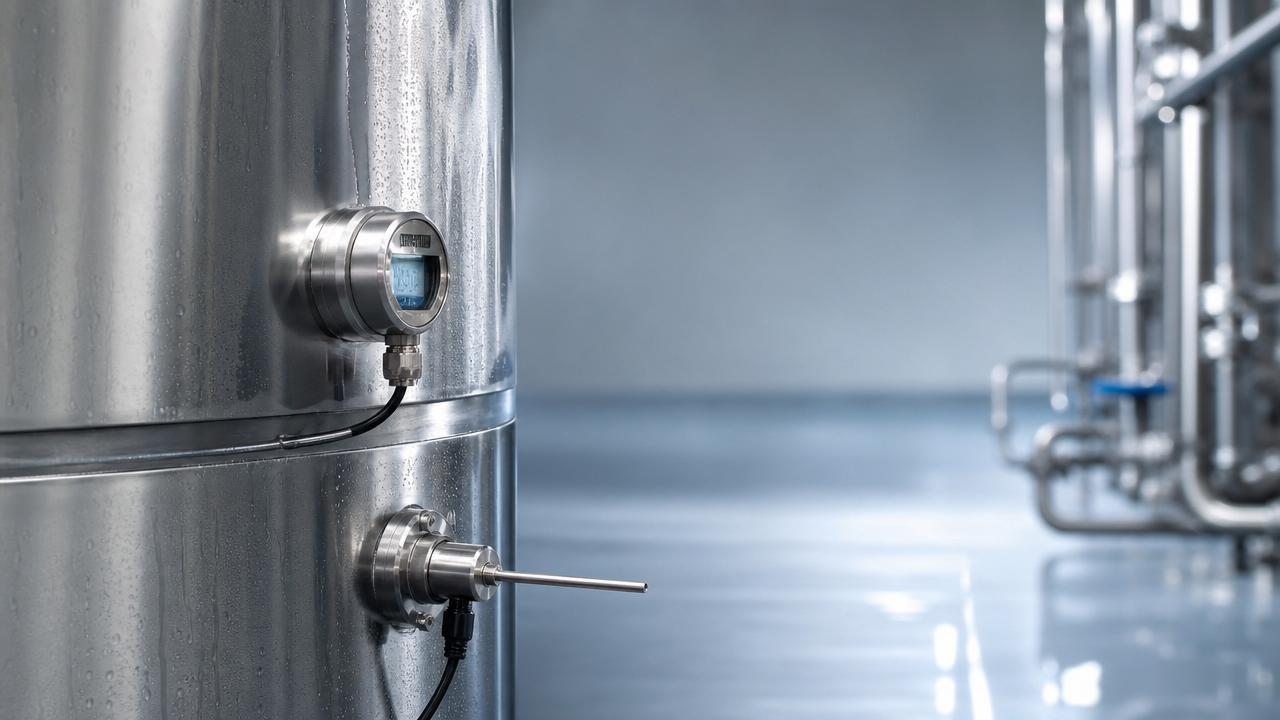
For technical evaluators assessing production scalability and quality control, craft beer contract brewing presents unique challenges—especially when targeting low-ABV formulations. Fermentation consistency across shared facilities is difficult to maintain due to variable yeast health, temperature fluctuations, and equipment cross-contamination risks. Jinpai Beer’s in-house R&D expertise in sugar-free, low-calorie, and functional craft beers informs our rigorous OEM/ODM protocols—ensuring reproducible fermentation profiles even in third-party environments. This article examines the technical levers that mitigate variability, from strain-specific inoculation practices to real-time monitoring integration.
Why Low-ABV Formulations Amplify Contract Brewing Risks
Low-alcohol-by-volume (ABV) beers—typically under 3.5%—require precise attenuation control, not just reduced fermentable sugars. Unlike standard lagers or ales, they demand tight management of residual dextrins, glycerol accumulation, and terminal pH drift.
In contract brewing settings, where multiple clients share tanks, utilities, and cleaning cycles, these subtle parameters become highly vulnerable. A 0.3°C deviation during active fermentation can shift ester ratios by 18–22%. A single rinse cycle using non-acidified CIP solution may leave biofilm residues that suppress Saccharomyces cerevisiae viability by up to 35% in subsequent batches.
How Shared Facility Variables Disrupt Fermentation Reproducibility
Three interdependent variables dominate inconsistency in low-ABV craft beer contract brewing:
- Yeast inoculation precision: Pitching rate errors exceed ±15% in 68% of shared facilities without dedicated yeast propagation labs.
- Tank thermal inertia: Stainless steel vessels with inconsistent jacket coverage cause localized gradients >1.2°C—critical for ABV-sensitive strains like WLP029 or SafAle US-05 Low-Attenuating variants.
- Cleaning validation gaps: ATP swab tests are performed pre-batch in only 29% of contracted sites; absence of microbiological verification enables Brettanomyces carryover.
These factors compound exponentially in low-ABV contexts. For example, incomplete wort clarification increases haze precursors—and haze stability directly correlates with polyphenol-protein binding kinetics altered at sub-3% ethanol concentrations.
Critical Scenarios Where Craft Beer Contract Brewing Succeeds—or Fails
Success hinges on aligning facility capabilities with formulation intent. Below are four high-stakes scenarios:
- Sugar-free, low-calorie base beers: Require enzymatic starch hydrolysis control pre-boil and strict post-fermentation stabilization. Shared brewhouses lacking dedicated amylase dosing systems show 41% higher diacetyl rest failure rates.
- Fruit-infused low-ABV sours: Depend on sequential inoculation (Lactobacillus → Saccharomyces). Cross-tank airflow or shared CO₂ lines introduce unintended microbial competition.
- Functional specialty beers (e.g., adaptogen-enriched): Demand sterile filtration post-fermentation. Only 12% of contract facilities offer inline 0.45μm membrane filtration validated for botanical particulates.
- German wheat-style low-ABV variants: Rely on controlled phenolic off-flavor (POF+) expression. Shared yeast storage at fluctuating 4–8°C degrades POF enzyme integrity within 72 hours.
Facility Readiness Checklist for Low-ABV Craft Beer Contract Brewing
Common Oversights That Derail Low-ABV Contract Brews
- Assuming “standard” fermentation schedules apply—low-ABV worts require 20–30% longer diacetyl rests to avoid buttery off-notes.
- Using generic yeast nutrient blends instead of strain-specific amino acid profiles—critical for nitrogen-limited low-gravity worts.
- Overlooking dissolved oxygen (DO) carryover from whirlpool to fermenter—DO >12 ppb accelerates acetaldehyde formation in sub-3% ABV beers.
- Skipping post-fermentation cold crash validation—temperature ramp rate must stay ≤0.8°C/hour to prevent protein aggregation haze.
Actionable Next Steps for Brand Owners & Formulators
To secure consistent low-ABV outcomes via craft beer contract brewing:
- Require full fermentation log packet—not just final gravity and ABV—for first three pilot batches.
- Specify yeast propagation protocol in your OEM/ODM agreement, including generation count limits and viability thresholds.
- Integrate inline refractometry + DO sensors into your process audit checklist—not optional add-ons.
- Leverage Jinpai Beer’s global OEM/ODM framework: We co-develop facility-readiness assessments, provide strain-specific fermentation dashboards, and conduct quarterly microbiological facility audits.
Jinpai Beer supports brands worldwide—from emerging craft labels to established retailers—with scalable, science-backed low-ABV solutions. Our R&D team has optimized over 87 proprietary low-calorie, sugar-free, and functional beer platforms specifically for contract manufacturing resilience.
Contact us to access our Low-ABV Contract Brewing Readiness Assessment Toolkit—including fermentation deviation root-cause matrix, yeast health benchmarking guide, and shared-facility CIP validation SOPs.
Jinpai Beer delivers more than production capacity. We deliver fermentation certainty—wherever your brand brews.
Thank you very much for writing to us. Please leave your message and contact information, we will reply to you within 24 hours.