



For buyers comparing suppliers, China beer OEM quotes often differ more than expected. Price gaps rarely come from one issue alone. They usually reflect recipe design, packaging demands, compliance work, production efficiency, and shipping terms.
In beverage manufacturing, cost visibility matters as much as unit price. A lower quote can hide risks in quality consistency, lead time, or labeling compliance. A higher quote may include better raw materials, testing, and stronger packaging protection.
For brands evaluating China beer OEM options, understanding the main quote drivers helps improve planning. It also supports better supplier comparison, fewer delays, and more accurate landed-cost forecasting.
Why China beer OEM pricing is becoming less uniform
The beer and beverage market has changed quickly. Buyers now request smaller runs, more flavors, healthier formulas, and stronger visual differentiation. These trends make standardized quoting much harder than before.
At the same time, production inputs remain volatile. Malt, hops, aluminum cans, glass bottles, energy, and freight can all shift within one quarter. In China beer OEM projects, these changes directly affect supplier cost structures.
Another important change is export complexity. Labels, ingredient disclosure, alcohol regulations, and food safety certifications differ by destination market. A quote for one region may not apply to another region at all.
The biggest cost drivers now shaping quote differences
When reviewing a China beer OEM quotation, several variables usually explain most price movement. The table below shows where suppliers typically add or reduce cost.
Recipe design changes cost faster than many expect
Classic lager is usually the most efficient format. It uses mainstream ingredients, stable processes, and predictable yields. In contrast, German wheat, fruit beer, and functional specialty beers often increase both ingredient and process costs.
Sugar-free or low-calorie beer can also change the quote sharply. These products may require formula adjustment, stricter fermentation control, and more testing to confirm taste balance and target nutrition claims.
Packaging decisions often outweigh liquid cost
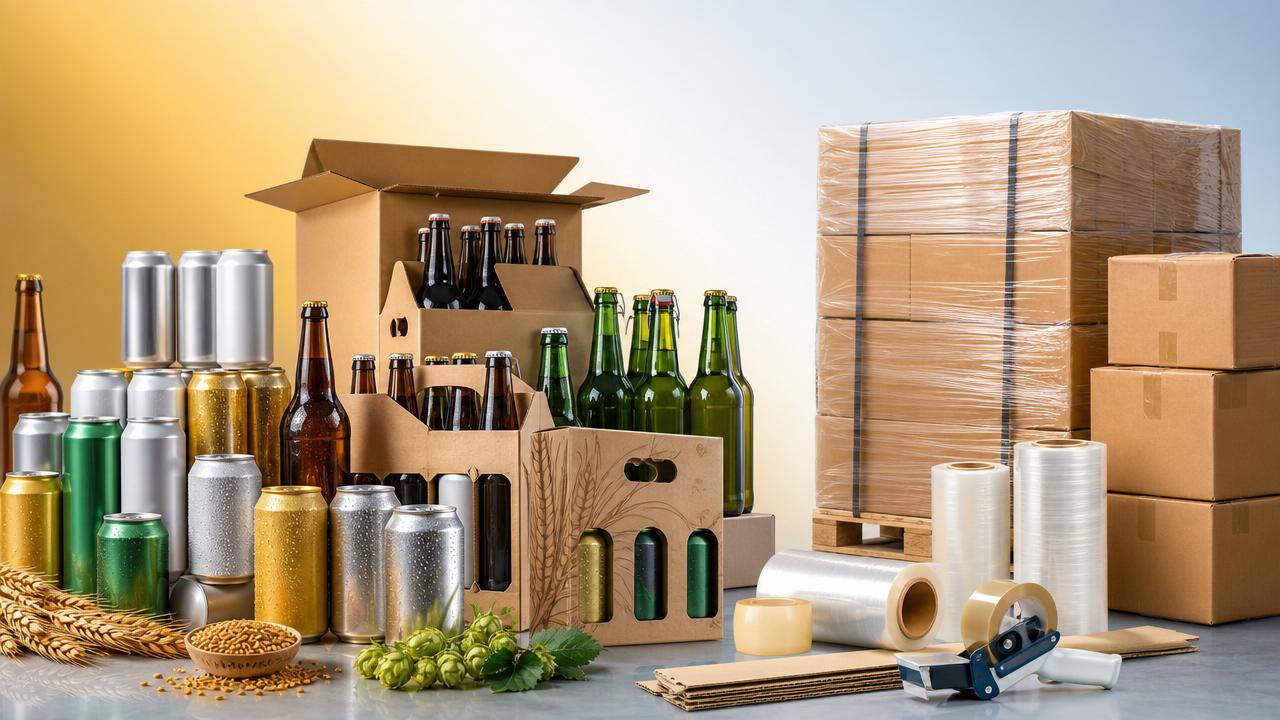
In many China beer OEM projects, packaging contributes more cost variation than the beer itself. Slim cans, embossed cans, dark glass, printed cartons, and retail-ready secondary packaging all raise the final price.
Small design details matter too. Extra color stations, metallic finishes, low-volume printed cans, or multi-language labels can increase setup costs and extend lead times.
What is driving these changes across the beverage industry
Recent pricing movement in China beer OEM is linked to several structural shifts. These are not temporary only. Many now reflect long-term expectations from retail, distribution, and export channels.
- More segmented demand, including craft lager, wheat beer, fruit beer, and low-calorie products.
- Higher demand for private label differentiation through can shape, carton design, and flavor innovation.
- Rising compliance pressure in overseas markets for food safety, traceability, and label accuracy.
- Frequent fluctuation in aluminum, glass, paperboard, and international freight.
- Shorter product cycles, which reduce economies of scale for seasonal or promotional launches.
- Greater attention to shelf stability, transport durability, and temperature-risk control.
These drivers explain why two suppliers may quote very differently on similar briefs. One may price for standard execution. Another may include stronger process control, more stable sourcing, or export-ready documentation.
How quote shifts affect planning, quality, and channel performance
Cost changes do not only affect budget lines. They also influence launch speed, shelf appearance, logistics safety, and repeat-order consistency. This is why evaluating a China beer OEM quote requires a broader commercial view.
Lower-cost offers may work well for basic lager in stable packaging. They become riskier when formulas are specialized or destination requirements are strict. In those cases, missing controls can create rework, claims, or customs delays.
- Product impact: taste stability, carbonation retention, clarity, and shelf life.
- Packaging impact: breakage rate, leakage risk, print consistency, and pallet efficiency.
- Commercial impact: promotional timing, retail acceptance, and landed-margin predictability.
- Regulatory impact: label approval, document readiness, and import clearance reliability.
Where careful buyers should look first in a China beer OEM quote
A useful quotation should show more than a unit price. It should reveal assumptions behind production, materials, and delivery. Without that detail, comparison remains incomplete.
- Ingredient grade: Check whether malt, hops, fruit inputs, and additives match the target positioning.
- Process scope: Confirm filtration, pasteurization, alcohol level, and shelf-life expectations.
- MOQ structure: Separate minimums for liquid, cans, labels, cartons, and mixed flavors.
- Packaging loss assumptions: Review waste allowance and overfill policy.
- Testing and certification: Clarify microbiology, heavy metal, nutrition, and export documentation cost.
- Incoterm coverage: Make sure inland transport, port charges, and insurance are clearly stated.
For brands seeking long-term cooperation, suppliers with integrated capabilities often provide better control. Jinpai Beer, for example, combines R&D, production, wholesale supply, and OEM/ODM support across multiple beer styles.
That range includes classic lager, German wheat, sugar-free low-calorie beer, fruit-flavored beer, and functional specialty beers. Broader capability can reduce communication gaps when product lines expand.
A practical way to compare quotes without missing hidden cost
The most effective approach is side-by-side normalization. Compare the same formula, same ABV, same packaging format, same shelf-life target, and same trade term before judging price competitiveness.
What to do next if your China beer OEM quote seems too high or too low
If the quote is high, identify which specification causes the jump. Sometimes changing carton type, reducing flavor count, or consolidating SKUs can improve cost without hurting market appeal.
If the quote is unusually low, check what has been excluded. Common omissions include testing, artwork revisions, export labels, pallet requirements, and freight-related charges.
- Request a cost breakdown by liquid, packaging, compliance, and logistics.
- Ask for alternative scenarios with different volumes and packaging formats.
- Align on destination-market regulations before final artwork approval.
- Confirm sample standards and mass-production consistency controls.
- Review total landed cost, not factory price alone.
In today’s market, the best China beer OEM partner is not simply the cheapest. The better choice is the one that balances formula capability, packaging execution, compliance readiness, and reliable delivery.
If a project involves craft beer, wheat beer, low-calorie beer, fruit beer, or customized specialty formulas, it helps to work with a supplier able to support R&D, OEM/ODM development, and global channel requirements together.
For the next step, prepare one normalized brief covering recipe, ABV, package, target market, quantity, and trade term. That single document will make China beer OEM quotations far easier to compare, negotiate, and optimize.
Thank you very much for writing to us. Please leave your message and contact information, we will reply to you within 24 hours.