



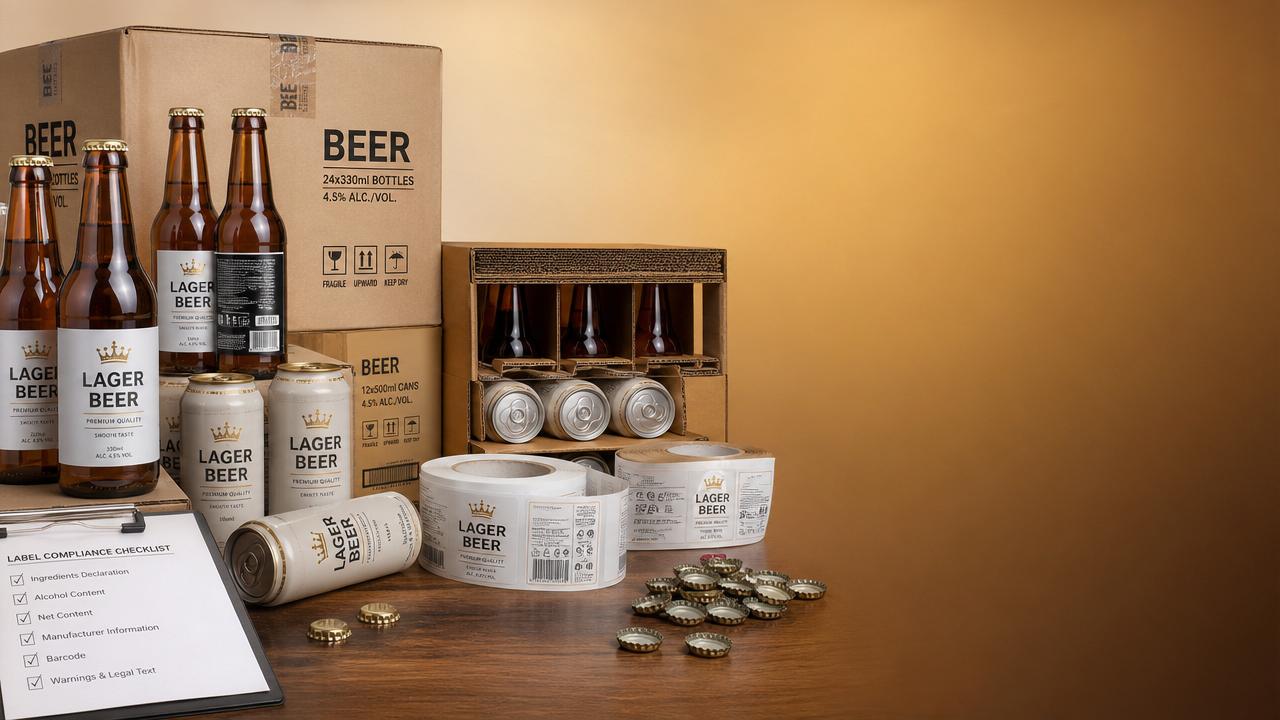
In Beer OEM projects, packaging mistakes can quietly derail timelines, increase costs and postpone a successful product launch. From label compliance and material selection to filling compatibility and shipping protection, every detail matters. For operators and production teams, understanding these common errors early helps ensure smoother coordination, faster approvals and a more reliable path from concept to market.
Why do Beer OEM packaging mistakes delay launches so often?
A delayed launch is rarely caused by one dramatic failure. In most Beer OEM programs, delays come from small packaging decisions made too late or without full cross-checking. Operators may approve bottle shapes before confirming filling line fit. Purchasing teams may choose labels based on unit price without checking condensation resistance. Brand teams may finalize artwork before market-specific compliance text is reviewed.
In the beverage industry, packaging is not a decorative afterthought. It is a production component, a compliance document, a transport barrier and a retail selling tool at the same time. If any one of those functions is overlooked, the production calendar can shift by days or even weeks.
For breweries, distributors and launch operators working with Beer OEM suppliers, the most common pain points usually include:
- Unclear responsibility between brand owner, packaging supplier and filling plant.
- Late discovery of labeling or ingredient declaration issues in export markets.
- Material mismatch between cans, bottles, caps, labels and secondary cartons.
- Insufficient testing for leakage, scuffing, breakage or pallet transport stability.
- Rush revisions that increase scrap, rework and freight costs.
Jinpai Beer supports craft beer R&D, production and global supply across classic lager, German wheat, sugar-free low-calorie beer, fruit-flavored beer and functional specialty beers. That range matters in Beer OEM work because different beer styles create different packaging demands, from carbonation handling to light protection, flavor positioning and route-to-market packaging formats.
Which packaging errors create the biggest Beer OEM launch risks?
Some mistakes are visible immediately. Others only surface when the first production run starts. The table below summarizes frequent Beer OEM packaging errors and the operational impact they create for beverage launch teams.
The pattern is clear: Beer OEM packaging problems usually begin upstream but become expensive downstream. That is why launch operators should treat packaging review as a stage-gate process, not a design handoff.
Mistake 1: treating packaging as a marketing task only
Many teams start with visual identity and leave production checks until the end. In beer packaging, that sequence is risky. A premium matte label may look strong in a presentation deck, but if it fails in a wet retail environment or slows labeling speed, the launch plan suffers. Beer OEM packaging must be reviewed by design, production, quality and logistics teams together.
Mistake 2: underestimating format-specific technical limits
Beer behaves differently from many non-carbonated beverages. Carbonation level, pasteurization route, cold chain conditions and light sensitivity all affect packaging choice. A fruit-flavored beer sold in convenience channels may need different barrier and branding priorities than a German wheat beer supplied to bars or a sugar-free low-calorie beer targeted at online retail multipacks.
Mistake 3: skipping transit and shelf-condition simulation
Beer OEM projects often cross borders, climates and channel types. A pack that survives short local delivery may fail in humid maritime shipping or long warehouse dwell time. Operators should not assume that primary packaging performance automatically guarantees full-case or pallet stability.
How should operators check packaging compatibility before production?
A practical Beer OEM review starts with compatibility, not aesthetics. Operators should confirm whether the selected package works with filling, sealing, labeling, packing and transport conditions expected for the product. This is especially important when dealing with multiple beer categories under one supplier network.
Primary packaging checks
- Verify bottle or can dimensions against line handling capability, including guide rails, star wheels and packer interfaces.
- Confirm closure or end compatibility with pressure, seam integrity or capping torque requirements.
- Check label substrate and adhesive for refrigerated storage, condensation exposure and abrasion during transport.
- Review color and print durability for wet-handling environments common in bars, restaurants and supermarkets.
Secondary and transport packaging checks
- Match carton strength to bottle weight, pack count and stack height.
- Evaluate dividers or trays for breakage control where glass formats are used.
- Confirm shrink film or wrap tension to avoid pack distortion in warm storage.
- Review pallet pattern and warehouse handling method before mass production.
For operators, one of the most useful habits is building a pre-run checklist with sign-off owners. This reduces the common Beer OEM issue where each supplier assumes another party has already verified a detail.
What should teams compare when choosing Beer OEM packaging formats?
Beer OEM packaging decisions are often driven by channel strategy, budget, product positioning and logistics conditions. The comparison below helps operators align format choice with launch realities rather than visual preference alone.
This comparison shows why format selection should be tied to launch route. A fast-moving supermarket launch may prioritize can stability and transport efficiency, while an on-premise craft offering may accept glass complexity in exchange for presentation value.
Selection questions operators should ask early
- Will this package run on the confirmed Beer OEM line without change-part delays?
- Does the package fit the target channel, such as horeca, supermarket, convenience or cross-border online sales?
- How much transit damage risk exists for the destination market and shipping mode?
- Is the chosen format aligned with the beer style, storage conditions and retail turnover rate?
Why label compliance and artwork review become hidden launch blockers
In Beer OEM work, label compliance often looks simple until export documentation begins. Different markets may require alcohol by volume presentation, allergen disclosure, net content formatting, producer or importer details, lot traceability and local language statements. Even where rules are not highly complex, missing one required line can stop a shipment or force relabeling.
Operators should avoid the assumption that one approved design works globally. A beer sold through bars in one country and supermarket chains in another may need different retail declarations or barcode setups. That becomes even more sensitive for functional specialty beers and sugar-free low-calorie beer, where claims must be phrased cautiously and reviewed against local guidance.
A practical Beer OEM artwork control process
- Lock product specification first, including style, ingredients, ABV and pack size.
- Map destination markets and channel requirements before final artwork output.
- Run legal or regulatory review before color proof approval.
- Check barcode readability and print contrast on the actual substrate, not only on screen.
- Retain final approved files under version control to avoid mixed production use.
This process may feel slower at the start, but it is much faster than rebuilding labels after cans, cartons or neck labels have already been printed.
How can procurement teams reduce cost without creating Beer OEM packaging risk?
Cost pressure is real in beverage launches, especially for new SKUs, distributor trials and seasonal programs. But the cheapest packaging choice is not always the most economical. When launch delay costs include production rescheduling, urgent freight, scrap and missed shelf windows, a low purchase price can become a high total cost decision.
The table below helps teams evaluate cost decisions in Beer OEM packaging using a wider operational lens.
A good Beer OEM supplier helps buyers control cost by balancing format standardization, supply availability, channel fit and launch timing. In many cases, the best cost-saving move is not downgrading materials, but simplifying SKUs, reducing late revisions and choosing proven packaging combinations for the first commercial run.
What implementation process keeps Beer OEM packaging on schedule?
Operators usually need a repeatable workflow more than theory. A disciplined process reduces last-minute surprises, especially when one project involves multiple pack formats, regional sales channels or specialty beer concepts.
Recommended launch workflow
- Confirm product profile: beer style, ABV, ingredients, shelf-life target, packaging volume and destination market.
- Select feasible packaging format based on line capability and route-to-market needs.
- Review compliance text and artwork requirements before print file release.
- Approve samples for appearance, fit, cold-condition behavior and transport readiness.
- Run pilot or first-article verification where feasible, then lock production schedule.
- Monitor packing performance and outbound protection in the first full run.
This workflow becomes even more valuable when launching diverse products such as classic lager for retail chains, fruit-flavored beer for younger consumer segments or functional specialty beers for differentiated market positioning. Each category can share a supplier, but not always the same packaging assumptions.
FAQ: common Beer OEM packaging questions from operators
How early should packaging be confirmed in a Beer OEM project?
As early as the product specification stage. Packaging should be reviewed before artwork is finalized and before production slots are booked. If bottle, can, label and carton decisions are delayed, other teams will work with assumptions that may later change, causing avoidable schedule resets.
What packaging is usually safer for export-oriented beer launches?
It depends on channel and positioning, but cans often offer advantages for export because they reduce breakage risk and improve freight efficiency. Glass may still be preferred for premium on-premise presentation. The safer choice is the one validated against route, stacking, humidity and handling conditions, not the one that looks simpler on paper.
What are the most overlooked label issues in Beer OEM orders?
Teams often overlook importer information, local language rules, lot coding space, barcode scan quality and claim wording. Specialty concepts such as low-calorie or functional beers require extra caution because marketing language can trigger additional review in some markets.
Should first launches use customized packaging or standard formats?
For many operators, standard compatible formats are the lower-risk option for the first launch. They reduce tooling complexity, line change risk and sourcing uncertainty. Once demand is proven and supply rhythm is stable, more customized packaging can be evaluated for branding upgrades.
Why work with a Beer OEM partner that understands both product and packaging?
Packaging decisions are stronger when the supplier understands the beer itself. Jinpai Beer combines craft beer R&D, production and distribution with OEM/ODM, wholesale supply and customized solutions. That matters for operators because beer type, carbonation, target channel and brand positioning all shape the right packaging path.
A supplier with experience across classic lager, German wheat, sugar-free low-calorie beer, fruit-flavored beer and functional specialty beers can help teams avoid one-size-fits-all packaging assumptions. The result is more practical advice on format selection, launch sequencing, sample confirmation and channel suitability for restaurants, supermarkets, bars and broader retail networks.
Why choose us
If you are planning a Beer OEM launch, we can support more than product supply. Our team can discuss packaging format confirmation, product matching by sales channel, OEM/ODM customization scope, expected delivery timing, sample support, artwork coordination points and practical considerations for global distribution. This helps operators move from concept to production with fewer revisions and clearer responsibilities.
You can contact us to review pack size options, beer style selection, launch schedule planning, quotation structure, export-oriented packaging choices and market-specific labeling concerns. For teams facing a tight launch window, early alignment on these details is often the fastest way to reduce delay risk and keep the Beer OEM project commercially viable.
Thank you very much for writing to us. Please leave your message and contact information, we will reply to you within 24 hours.