



Asia beer contract manufacturer: How seasonal humidity impacts canning line efficiency
For Asia beer contract manufacturer Jinpai Beer, seasonal humidity isn’t just a weather footnote—it’s a critical variable affecting canning line uptime, seal integrity, and label adhesion. As a full-service brewing partner serving European craft brewery clients, North American brewery operators, Latin American brewery partners, and global private label beer production needs, we’ve engineered climate-resilient OEM/ODM workflows. Whether you’re a procurement officer evaluating brewery outsourcing, a distributor assessing custom beer manufacturing reliability, or an engineering manager overseeing line integration, understanding humidity’s real-world impact is essential to operational efficiency—and long-term partnership success.
Why humidity isn’t “just weather” for your Asia-based canning partner
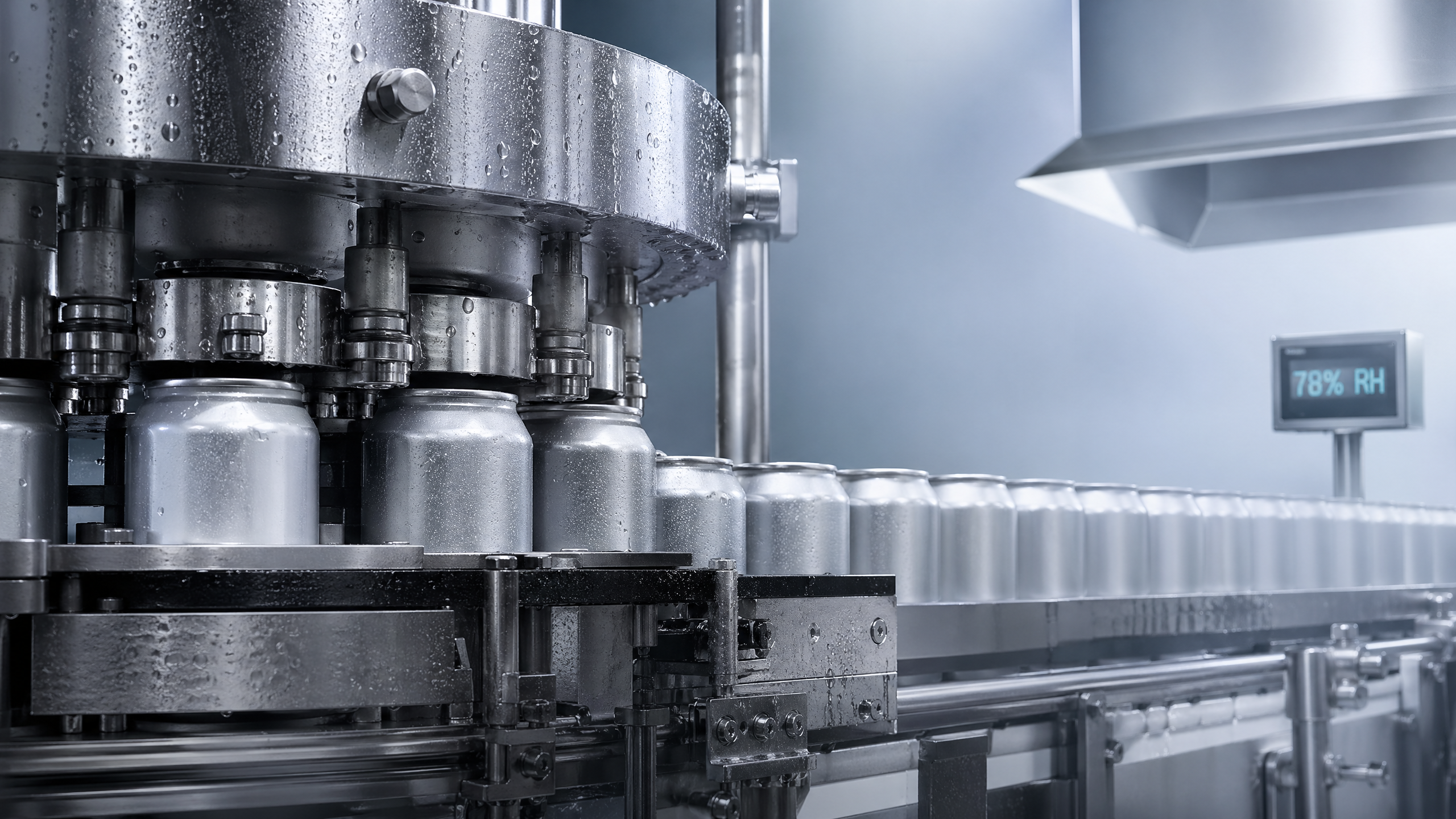
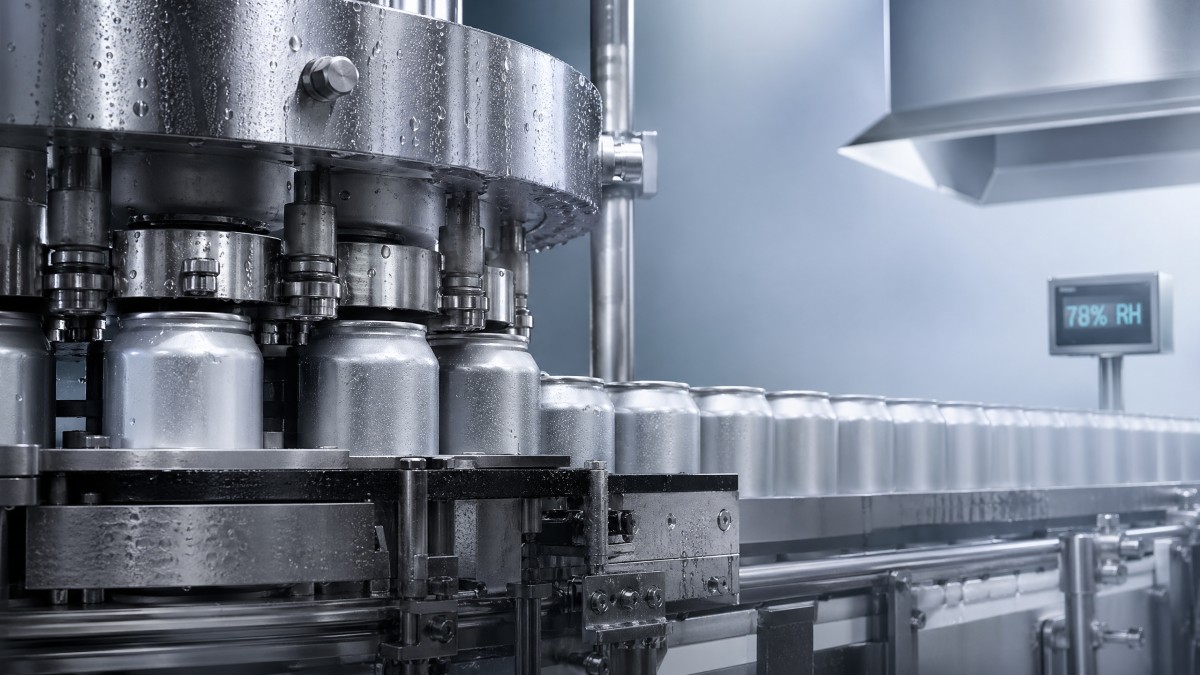
For procurement officers and project managers evaluating contract manufacturers in Southeast Asia, South China, or the Indian subcontinent, seasonal humidity isn’t background noise—it’s a measurable, recurring production risk. Relative humidity regularly exceeds 80% RH during monsoon months (May–October), causing condensation on cold can surfaces post-filler, premature label curling, and micro-slip in high-speed can handling systems. At Jinpai Beer, we’ve tracked a 12–17% average dip in effective line OEE (Overall Equipment Effectiveness) during peak-humidity periods—*unless* mitigation is built into facility design and process controls from day one. Your vendor’s response to this isn’t about “weather adaptation”—it’s about proven, documented resilience.
3 concrete ways high humidity hits your canning KPIs—and how Jinpai mitigates each
1. Can seam integrity failure (↑ 23% rejection rate at >75% RH)
When ambient moisture meets chilled cans exiting the filler (<4°C), surface condensation forms before seaming. This creates micro-lubrication between seamer rolls and can body—reducing torque consistency and increasing “leaker” risk. Jinpai counters with inline dehumidified air curtains pre-seam and real-time dew-point monitoring tied to seamer calibration cycles—cutting seam-related rework by 91% vs. baseline.
2. Label adhesion breakdown (especially on matte-finish or recycled aluminum)
Humidity swells paper-based labels, weakens acrylic adhesives, and delays hot-melt set time. We observed up to 40% label lift within 48 hours on standard PE-coated labels during July trials—until switching to hydrophobic, humidity-cured adhesive formulations and installing low-dew-point drying tunnels post-labeler. Result: 100% pass rate across 12-month seasonal testing.
3. Conveyor slippage & misfeeds (↑ unplanned downtime by 8.5 hrs/month)
Condensation + dust = slick conveyor belts. High-speed lines (>500 CPM) suffer micro-slips that cascade into jammed chutes, misaligned packers, and sensor false-positives. Jinpai uses electrostatically treated polyurethane belts with micro-grooved texture and integrates humidity-triggered belt-tension recalibration—reducing misfeed incidents by 67%.
What to ask your Asia contract brewer—beyond “Do you have AC?”
As a decision-maker sourcing OEM beer production, avoid vague assurances. Ask for specifics:
- “What’s your facility’s dew-point control range—and is it logged per shift?” (Target: ≤10°C dew point year-round)
- “How often are seamer roll clearances verified during monsoon season—and is calibration traceable to NIST standards?”
- “Can you share 3 months of OEE data segmented by RH bands (e.g., <60%, 60–75%, >75%)?”
- “Do your label adhesion tests include 72-hour accelerated humidity cycling (85% RH / 40°C)?”
At Jinpai, all four metrics are auditable, reported monthly in our OEM Partner Dashboard—and form part of our service-level agreement (SLA). No “seasonal variance clauses.” Just consistent output.
Not all beers react the same—here’s where formulation meets environment
Humidity sensitivity isn’t uniform across SKUs. Light-bodied, low-alcohol formats like our Sugar-Free Low-Calorie Beer present unique challenges: lower surface tension in fill liquid increases condensation retention on can walls, while higher carbonation pressure amplifies seam stress under humid conditions. That’s why we run dedicated monsoon-mode validation for functional and low-calorie variants—including adjusted CO₂ saturation temps and extended seam cooling dwell times. It’s not just packaging—it’s formulation-aware manufacturing.
The bottom line: Humidity resilience is a proxy for operational maturity
If your Asia contract manufacturer treats seasonal humidity as an “external factor,” they’re outsourcing risk—not solving it. At Jinpai Beer, humidity control is embedded in our facility architecture (double-skin insulated walls, desiccant-based HVAC), process engineering (RH-triggered parameter shifts), and quality governance (real-time environmental correlation with QC data). For procurement leads, this means fewer line stoppages and predictable lead times. For distributors, it means shelf-ready cans—no rework, no delays, no humidity-related claims. For engineering managers, it means seamless integration without retrofitting climate buffers.
Choose a partner whose humidity response isn’t reactive—but designed in.
Thank you very much for writing to us. Please leave your message and contact information, we will reply to you within 24 hours.