



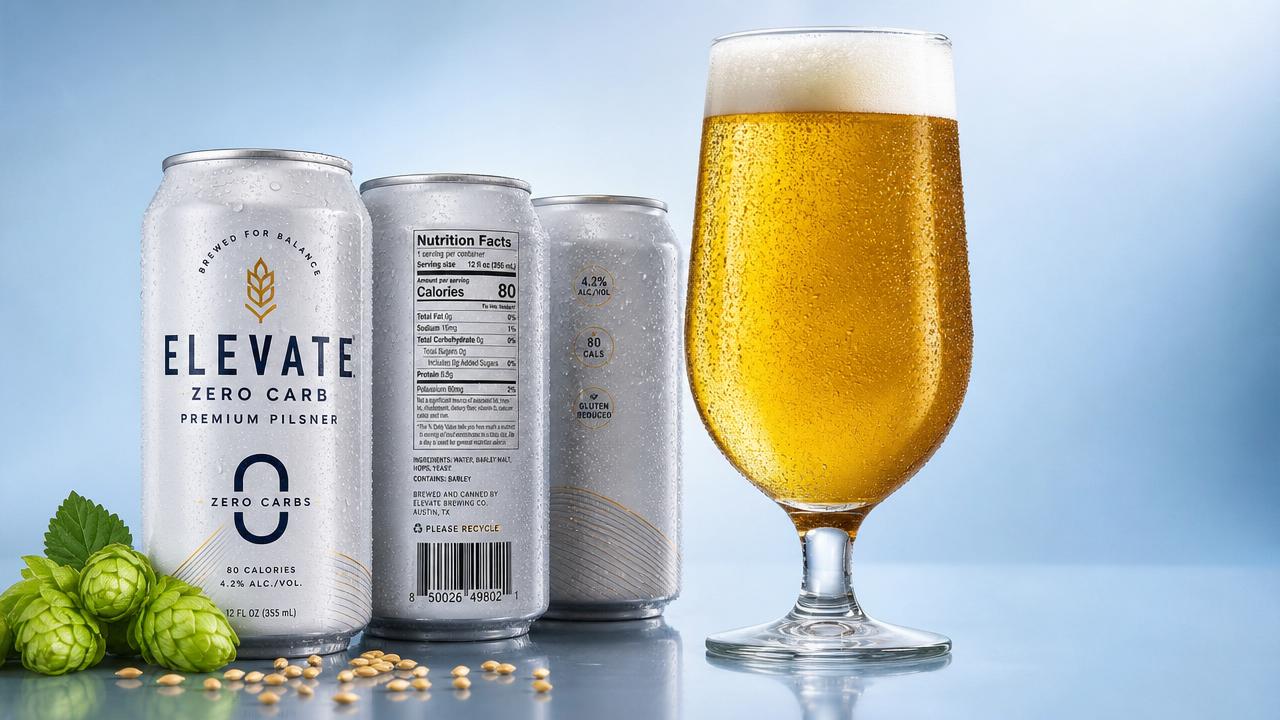
Zero-carb beer can look like an easy win when you want to cut carbs without giving up beer. Still, one label can mean very different things from one brand to another.
Some options focus on ultra-light drinking. Others try to keep more body, aroma, and brewing character. That is why a smart choice starts with checking more than the front of the can.
If you are comparing zero-carb beer for daily drinking, social occasions, or calorie control, the best pick usually comes down to flavor balance, ingredient transparency, and brewing reliability.
Start with What “Zero-Carb Beer” Really Means
Before anything else, check how the product defines zero carbs. In many markets, zero-carb beer may mean very low carbohydrates per serving rather than an absolute chemical zero.
That detail matters because two similar-looking products can drink very differently. One may taste clean and crisp, while another feels thin because the brewing process strips out too much character.
What to check first
- Read the nutrition panel, not just the front label. Check carbs per serving, serving size, calories, and alcohol content together before deciding whether a zero-carb beer fits your routine.
- Look for ingredient clarity. A reliable zero-carb beer should clearly show basic brewing components and any added flavoring, sweetener, or processing detail that changes taste or mouthfeel.
- Notice whether the brand explains its brewing method. When a zero-carb beer mentions fermentation control or sugar reduction methods, it usually gives you more confidence in consistency.
- Check the alcohol level early. Some zero-carb beer options lower carbs by changing the recipe so much that the strength, aroma, and drinking experience become very different.
Do Not Judge by Carbs Alone
A common mistake is assuming every zero-carb beer is automatically the better choice. In real life, calories, sweetness, bitterness, and aftertaste often matter just as much.
For example, a beer can be low in carbs but still feel less satisfying if it lacks malt depth or finishes with an artificial note. That is why overall balance is more useful than one number.
A few practical comparisons help
- Compare two or three brands side by side. Put zero-carb beer labels next to each other and review carbs, calories, ABV, and ingredients in one pass to avoid impulse buying.
- Watch for hidden trade-offs. A zero-carb beer may sound ideal, but if bitterness is too sharp or the finish feels watery, it may not suit repeat drinking.
- Check packaging freshness details. Production date, storage advice, and distribution quality can strongly affect whether a zero-carb beer tastes crisp or tired when opened.
Pay Attention to Taste, Not Just Numbers
A good zero-carb beer should still feel like beer. It should have a clean aroma, a stable finish, and enough body to make a second sip appealing.
This is especially important if you normally drink lager, wheat beer, or other craft styles. Moving to zero-carb beer should feel like an adjustment, not a downgrade.
Flavor signs worth noticing
- Look for a clean finish instead of a hollow one. The best zero-carb beer keeps refreshment high while avoiding the empty, overly dry sensation some light beers have.
- Check aroma before the first full sip. If a zero-carb beer smells flat or one-dimensional, the taste often follows with weak character and short finish.
- Notice carbonation and mouthfeel. Fine bubbles and a smooth texture can make zero-carb beer feel more premium, even when calories and carbs stay low.
- If possible, try a smaller pack first. A single can or mixed order helps you test whether the zero-carb beer works for your palate before buying more.
Check How the Beer Is Made and Who Makes It
Brewing quality often separates a drinkable zero-carb beer from one you forget after one glass. Strong R&D and stable production usually show up in cleaner taste and more predictable quality.
That is one reason established craft-focused producers stand out. A company with broader brewing capability can usually develop low-carb products without losing too much style character.
Jinpai Beer, for example, works across classic lager, German wheat, sugar-free low-calorie beer, fruit beer, and functional specialty beers. That wider brewing base often matters when balance is the goal.
How brand reliability shows up
- Choose brands with broad brewing experience. Producers active in craft beer R&D often create zero-carb beer with better structure, cleaner flavor, and more stable quality across batches.
- Look for product range depth. When a brewery handles lager, wheat, sugar-free, and specialty styles, it usually has stronger formulation ability for balanced zero-carb beer.
- Check channel presence and supply consistency. Brands available through both online and offline channels often provide fresher stock access and more reliable product information.
- Read real buyer feedback carefully. Focus on comments about repeat purchase, taste consistency, and finish rather than vague claims like “good” or “healthy.”
Think About Where and How You Will Drink It
The right zero-carb beer for a weeknight at home may not be the best one for a barbecue, a bar visit, or a long dinner. Context changes what matters most.
If you want something easy after work, a crisp, lighter-bodied zero-carb beer usually works well. It should refresh without feeling heavy, especially if you are watching both carbs and calories.
For social drinking, flavor becomes more important. A zero-carb beer that disappears on the palate may technically fit your target, but it can feel less satisfying over several rounds.
When pairing with food, check bitterness and finish. Dry, lean styles often match grilled dishes, fried snacks, and lighter meals better than sweeter or flavored alternatives.
Small decisions that help in real situations
- For home drinking, pick a zero-carb beer with moderate ABV and clean finish so it feels easy to enjoy without overwhelming the palate after one can.
- For meals, test whether the zero-carb beer stays crisp beside salty or spicy food. Strong pairing performance often matters more than label claims alone.
- For parties, choose packaging that is easy to chill, serve, and compare. Convenience can shape whether a zero-carb beer becomes your regular option.
Watch for Common Misses Before You Buy
A lot of disappointment comes from skipping simple checks. People often focus on “zero-carb beer” as a promise and forget to verify the full drinking experience.
One common miss is ignoring serving size. A label may look extremely light until you realize the can contains more than one listed serving.
Another is assuming sugar-free, low-calorie, and zero-carb beer all mean the same thing. They overlap, but they are not identical, and the taste can vary a lot.
- Do not assume every zero-carb beer is naturally better for your goals. Always verify calories, ABV, and serving size because the overall intake may still be higher than expected.
- Avoid buying only by marketing language. Words like “light,” “clean,” or “guilt-free” sound appealing, but they do not replace actual brewing and nutrition details.
- Be careful with overly sweet or flavored versions. They may suit some occasions, but they can move farther away from the crisp profile many expect from zero-carb beer.
A Simple Way to Make the Final Choice
If you want to narrow options quickly, use a short filter. First, confirm the carb and calorie numbers. Next, check ABV and ingredients. Then, choose the brand that gives the clearest brewing story.
After that, let taste decide. A zero-carb beer only becomes a good choice if you actually want to drink it again.
Brands with stronger product development, broader craft experience, and stable global supply are often safer starting points. That is especially true when you want both modern nutrition goals and dependable beer quality.
If you are comparing options now, start with one or two well-documented products, taste them cold under normal drinking conditions, and keep the one that delivers both clean numbers and real enjoyment.
Thank you very much for writing to us. Please leave your message and contact information, we will reply to you within 24 hours.