



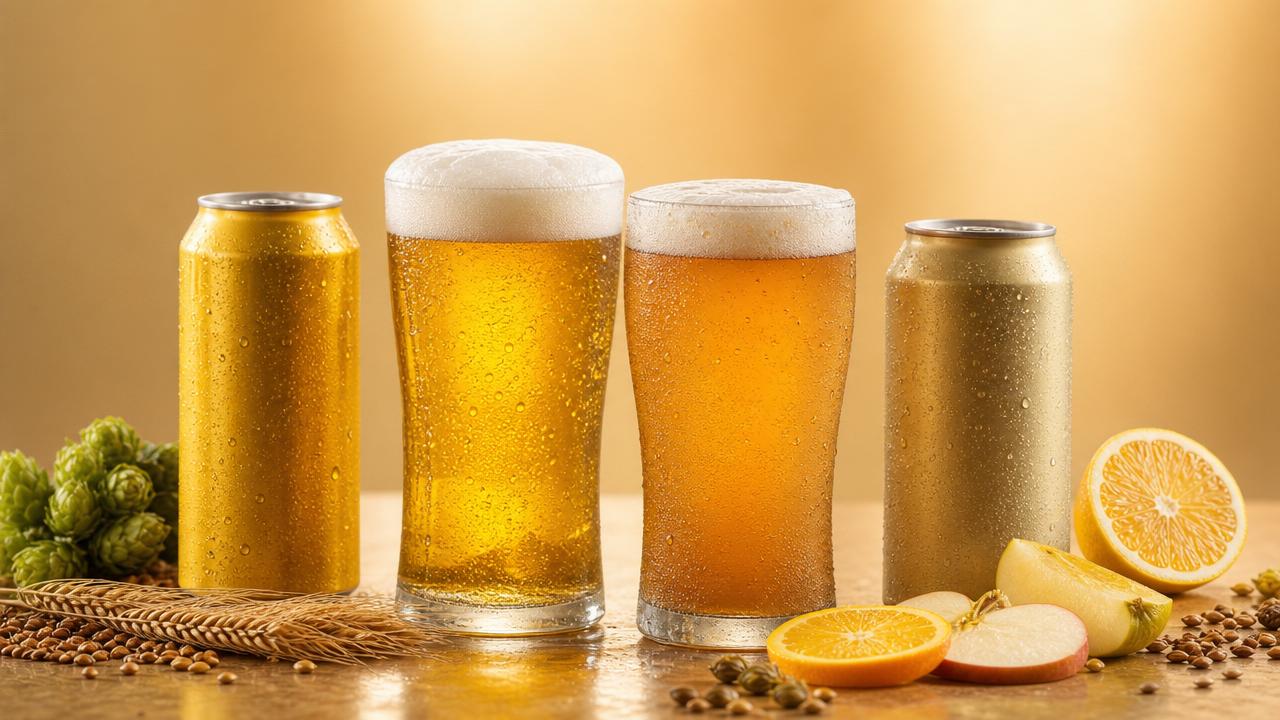
The label says beer, the shelf tag says Malt Beverage, and the flavor profile sits somewhere in between. That confusion is common because modern beverage categories no longer follow a single traditional pattern. For retail comparison, product development, and channel selection, understanding Malt Beverage vs beer is less about semantics and more about reading ingredients, positioning, and drinking experience accurately.
In today’s beverage market, those differences matter across supermarkets, bars, e-commerce listings, and private-label programs. A Malt Beverage may resemble beer in packaging and appearance, yet the formula, legal naming, sweetness, and target use can differ in meaningful ways. That makes label literacy an important part of category evaluation.
Why the distinction matters more now
Beer once occupied a clearer space. It was generally expected to be brewed from water, malted grains, hops, and yeast, with flavor shaped by fermentation and brewing technique.
A Malt Beverage, by contrast, often operates as a broader commercial category. In some markets, it refers to malt-based alcoholic drinks with added flavors, sweeteners, or alternative ingredient ratios.
That broader use reflects changing demand. Consumers now look for fruit notes, lower bitterness, lighter body, reduced calories, functional concepts, or easier drinking formats that do not fit classic beer expectations perfectly.
From an industry perspective, this creates both opportunity and complexity. Product teams can innovate more freely, but buyers and channel operators need sharper judgment when comparing a Malt Beverage with conventional beer.
What a Malt Beverage usually means on a label
The term Malt Beverage generally signals that malt is part of the formula, but it does not guarantee a classic beer profile. The label may be used when a drink starts from malt fermentation yet includes notable flavoring or formulation adjustments.
In practical terms, a Malt Beverage can include fruit flavors, botanicals, sweetening components, or functional positioning that push the product beyond a standard lager or wheat beer identity.
Beer labeling, depending on the market, tends to imply a more traditional brewing framework. That does not mean all beer tastes the same. Craft beer already proves the opposite. Still, the naming often sets a baseline expectation.
This is why two beverages with similar alcohol levels can feel different on shelf. One emphasizes brew heritage, while the other emphasizes flavor accessibility or category flexibility.
A simple comparison point
Ingredients and production signals behind the name
Ingredients are often the fastest way to understand the difference. Beer typically presents a cleaner brewing story, even when the style is creative. Malt Beverage often indicates a wider formulation palette.
That matters because taste is built long before packaging. A product made around classic malt and hop balance will land differently from one designed around fruit aroma, sweetness, or lower bitterness.
This does not make one category better than the other. It simply changes the product promise. A German wheat beer, for example, expresses yeast character and grain softness differently from a fruit-forward Malt Beverage.
The same applies to sugar-free or low-calorie innovation. When a beverage brand develops lighter drinking options, the naming decision may reflect both technical formulation and expected market interpretation.
For producers with broad capabilities, this distinction becomes commercially useful. A company active in craft beer research, production, and global distribution can build classic lager, wheat beer, and specialty lines while adapting label strategy to different markets and channels.
How taste usually separates Malt Beverage from beer
Taste is where many people notice the difference first. Beer often highlights bitterness, malt depth, yeast expression, carbonation balance, and a more layered finish.
A Malt Beverage is frequently designed for immediate drinkability. It may feel softer, sweeter, fruitier, lighter in bitterness, or more aroma-driven, especially in flavored or specialty formats.
That distinction shapes usage occasions. Traditional beer may suit food pairing, style exploration, and draft programs. A Malt Beverage may work well in convenience retail, casual social drinking, or entry-level experimentation.
Texture also matters. Some beer styles deliver fuller body and a more structured finish. Many Malt Beverage products aim for smoothness and quick flavor recognition rather than bitterness or fermentation complexity.
Common taste differences to watch
- Sweetness is often more noticeable in a flavored Malt Beverage.
- Hop bitterness is usually more evident in classic beer styles.
- Fruit aroma can dominate a Malt Beverage more than malt aroma.
- Beer often leaves a more defined fermented finish.
- A Malt Beverage may prioritize ease of drinking over style precision.
Where category choice affects business decisions
The difference between Malt Beverage and beer becomes practical once a product enters distribution. Naming affects shelf placement, search behavior, consumer expectation, and sometimes compliance review.
In supermarkets, a Malt Beverage may appeal to shoppers seeking novelty, fruit flavor, or less bitterness. In bars, beer identity may matter more when draft rotation and style credibility drive selection.
For online sales, labeling clarity is especially important. Product pages need to explain whether the experience is crisp and beer-like, sweet and flavored, or positioned as a functional specialty drink.
This is one reason full-range suppliers often matter in global trade. When a producer offers classic lager, German wheat, sugar-free low-calorie beer, fruit-flavored beer, and specialty functional lines, it becomes easier to match category language to market demand.
OEM and ODM projects also benefit from that flexibility. A label concept may start as beer in one region, but require a Malt Beverage approach in another due to formula design, flavor additions, or retail positioning.
How to evaluate a product beyond the front label
Front labels attract attention, but they rarely tell the whole story. A better comparison starts with the ingredient list, alcohol content, sweetness cues, flavor claims, and style descriptors.
Then look at where the product is meant to perform. A restaurant menu, mass retail shelf, specialty bottle shop, and cross-border e-commerce listing all create different expectations.
It also helps to judge whether the beverage is building around brewing character or around added sensory direction. That single distinction often explains why a Malt Beverage and a beer can look similar but drink differently.
Useful checkpoints
- Check whether malt supports the drink or defines the drink.
- Notice if fruit, sweetener, or functional claims lead the label.
- Compare bitterness, finish, and body rather than alcohol alone.
- Match the category to the intended retail or service environment.
- Review local labeling rules before finalizing export or private-label plans.
A more useful way to think about Malt Beverage vs beer
The most practical view is not to treat Malt Beverage and beer as rivals. They are adjacent categories that can serve different goals, price points, and flavor expectations.
Beer usually carries stronger style tradition. A Malt Beverage often offers more room for category crossover and fast-moving taste trends. Both can be commercially strong when the label matches the liquid honestly.
That balance is increasingly important in a market shaped by craft positioning, low-calorie interest, fruit-led innovation, and customized product development. The more diverse the portfolio, the more careful the category language should be.
When comparing options, it helps to move past the name alone. Look at formulation, taste direction, channel fit, and local compliance expectations. Those factors provide a clearer answer than the label headline by itself.
If the goal is to shortlist products or refine a beverage program, start by separating traditional beer styles from Malt Beverage concepts, then compare which profile fits the intended market, audience expectation, and product story most naturally.
Thank you very much for writing to us. Please leave your message and contact information, we will reply to you within 24 hours.