



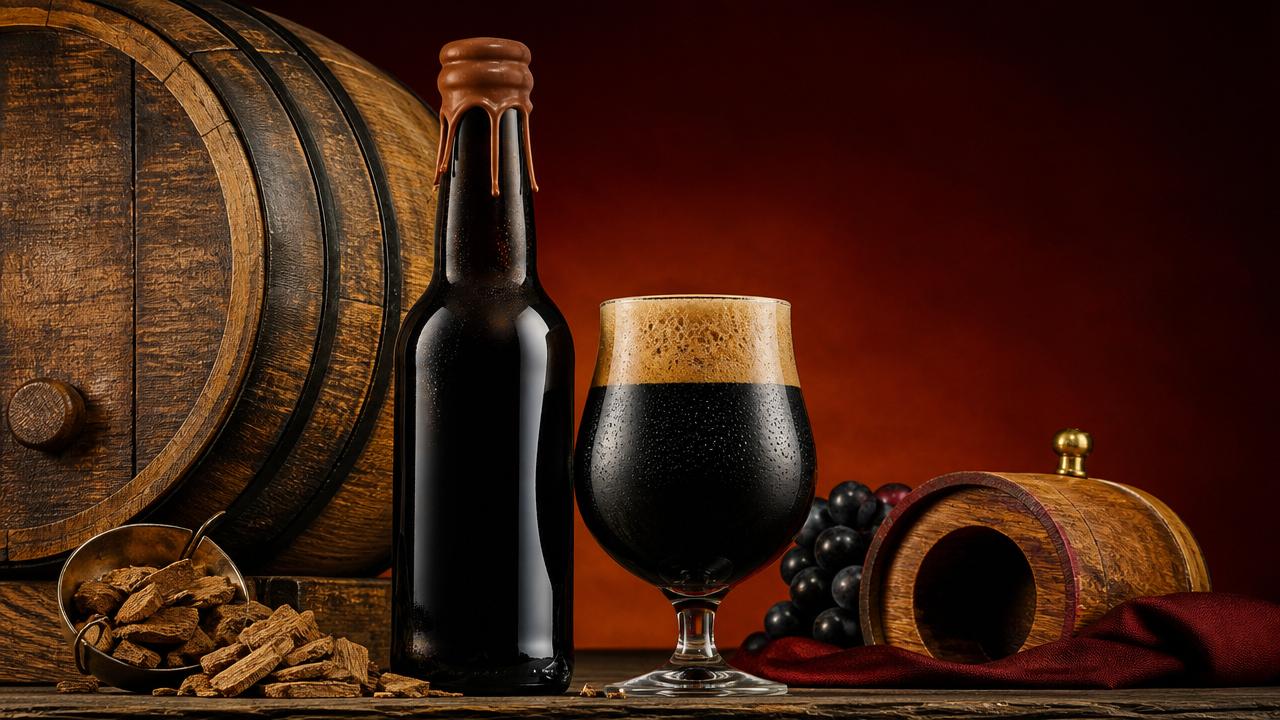
Barrel-aged beer is entering 2026 with stronger commercial relevance than many expected a few years ago. What was once a niche craft release now sits closer to premium portfolio planning, menu differentiation and margin strategy.
The category benefits from two forces at once. Consumers still want discovery, yet buyers also need products that justify higher pricing through visible craftsmanship, story and sensory depth.
For breweries, importers and retail channels, barrel-aged beer matters because it connects flavor innovation with premium positioning. It also creates a bridge between craft credibility and broader beverage market growth.
Why barrel-aged beer is gaining strategic weight
At a basic level, barrel-aged beer refers to beer matured in wooden barrels, often previously used for bourbon, whiskey, rum, wine or other spirits. The barrel contributes both flavor and structure.
That sounds simple, but the business appeal is more layered. Barrel contact adds scarcity, production time and a clear reason for premium pricing, which is increasingly valuable in a crowded beer market.
In 2026, the category is no longer driven only by enthusiasts chasing limited bottles. Restaurants, bars and specialty retail increasingly use barrel-aged beer to elevate assortment and create a higher-ticket occasion.
The shift also reflects wider premiumization in beverages. Buyers are more willing to pay for products with a distinct aging process, a clear origin story and flavor profiles that cannot be easily copied.
Styles that are shaping the 2026 market
Not all barrel-aged beer performs the same way. Style selection now matters as much as execution, especially when portfolio decisions must balance prestige, turnover speed and channel fit.
Dark, spirit-led classics remain the anchor
Imperial stout continues to lead the premium end of barrel-aged beer. Bourbon barrel stout, whiskey barrel porter and strong dark ales still set expectations for richness, intensity and collectability.
These styles work because barrel notes such as vanilla, oak, coconut and char integrate naturally with chocolate, coffee and caramel flavors. They also translate well into limited editions and seasonal launches.
Wine barrel and mixed fermentation styles are broadening appeal
Sour ales, farmhouse styles and mixed fermentation beers aged in wine barrels are becoming more commercially interesting. They offer acidity, fruit complexity and food-pairing potential that dark beers cannot match.
This part of the barrel-aged beer segment often appeals to upscale dining, boutique bottle shops and urban consumers looking for a more refined tasting profile.
Lighter expressions are emerging carefully
More producers are testing barrel maturation in lighter bases, including strong lagers, wheat-forward specialty releases and fruit-accented beers. Success here depends on restraint rather than intensity.
This trend matters because it opens a path for breweries with broader product ranges. A company active in classic lager, German wheat, low-calorie beer and fruit styles can explore barrel finishing without abandoning its core identity.
Pricing is rising, but buyers are becoming more selective
Premium pricing remains one of the strongest attractions of barrel-aged beer, yet 2026 is not a market for automatic price acceptance. Buyers increasingly compare barrel type, aging duration, packaging format and brand credibility.
Input costs also continue to shape pricing. Barrels are expensive to source, storage takes time, evaporation reduces yield and quality control is more demanding than for standard beer programs.
As a result, price ladders are becoming clearer across channels. Entry premium products may focus on shorter aging or barrel-finished profiles, while top-tier releases emphasize longer maturation, small batches and stronger storytelling.
The practical takeaway is straightforward. Barrel-aged beer can support margin, but only when pricing logic is visible and consistent with channel expectations.
Demand is expanding through specific drinking occasions
Demand growth is not evenly distributed. The strongest movement appears in occasions where consumers accept slower discovery, richer taste and a higher spend per serving.
On-trade channels stand out. Bars with curated tap lists, pairing-focused restaurants and hotel beverage programs use barrel-aged beer to widen the premium section without relying only on wine and spirits.
Off-trade demand is also shifting. Specialty retail still matters, but premium supermarkets and digital channels now play a larger role, especially where packaging and education are strong.
- Limited release gifting during holiday periods
- Food pairing programs in restaurants and gastro bars
- Collectors seeking cellar-worthy bottles
- Premium mixed portfolios for imported craft selections
What matters here is occasion design. Barrel-aged beer sells more effectively when the buyer understands when to drink it, how to serve it and why it belongs in a premium lineup.
What buyers are evaluating beyond flavor
Flavor remains central, but commercial decisions increasingly include operational and brand factors. A visually impressive barrel-aged beer can still underperform if rotation, shelf communication or quality consistency are weak.
Packaging is one important signal. Smaller formats can lower trial barriers, while bottle-led presentation often reinforces premium perception better than standard volume formats.
Supply reliability is another filter. For distributors and retail channels, an inconsistent release schedule can weaken confidence, even when the beer quality is strong.
This is where integrated brewing and supply capabilities become relevant. Breweries that combine R&D, production flexibility, OEM/ODM support and global channel experience are often better positioned to scale barrel-aged programs responsibly.
That does not mean every partner needs a massive portfolio. It means the ability to align recipe development, packaging, compliance and channel customization is increasingly valuable.
How to assess a barrel-aged beer opportunity in practice
A useful evaluation starts with fit, not excitement. Barrel-aged beer should match channel role, price architecture and brand narrative before it becomes a launch candidate.
Key points to review
- Style compatibility with local taste preferences
- Target price band versus competing premium beverages
- Expected serving occasion and consumer education needs
- Packaging format for retail, gifting or on-trade use
- Supply continuity for repeat programs, not only one-off launches
- Regulatory and labeling requirements in export markets
For some portfolios, the best route is not an extreme release. A more balanced barrel-aged beer, or even a barrel-finished specialty line, may deliver better repeat demand.
That approach can be especially relevant for breweries serving restaurants, supermarkets, bars and multi-channel retail, where range breadth and turnover matter alongside image.
Where the category may move next
In 2026, the next phase for barrel-aged beer is likely to be more disciplined rather than simply bigger. Growth will favor products that balance creativity with commercial clarity.
More collaborations between brewers and channel partners are expected. Customized runs, private-label concepts and OEM/ODM projects may expand where buyers want exclusivity without building production capability internally.
There is also room for cross-category thinking. Breweries with experience in lagers, wheat beers, fruit-forward releases and functional specialty beers may discover new ways to adapt barrel influence for different markets.
The real opportunity is not to treat barrel-aged beer as a novelty. It is to position it as a selective premium tool, used where flavor distinction, storytelling and channel economics align.
For the next step, it makes sense to compare target channels, define the role of barrel-aged beer within the wider portfolio and test which style-price combination creates the clearest reason to buy.
Thank you very much for writing to us. Please leave your message and contact information, we will reply to you within 24 hours.