



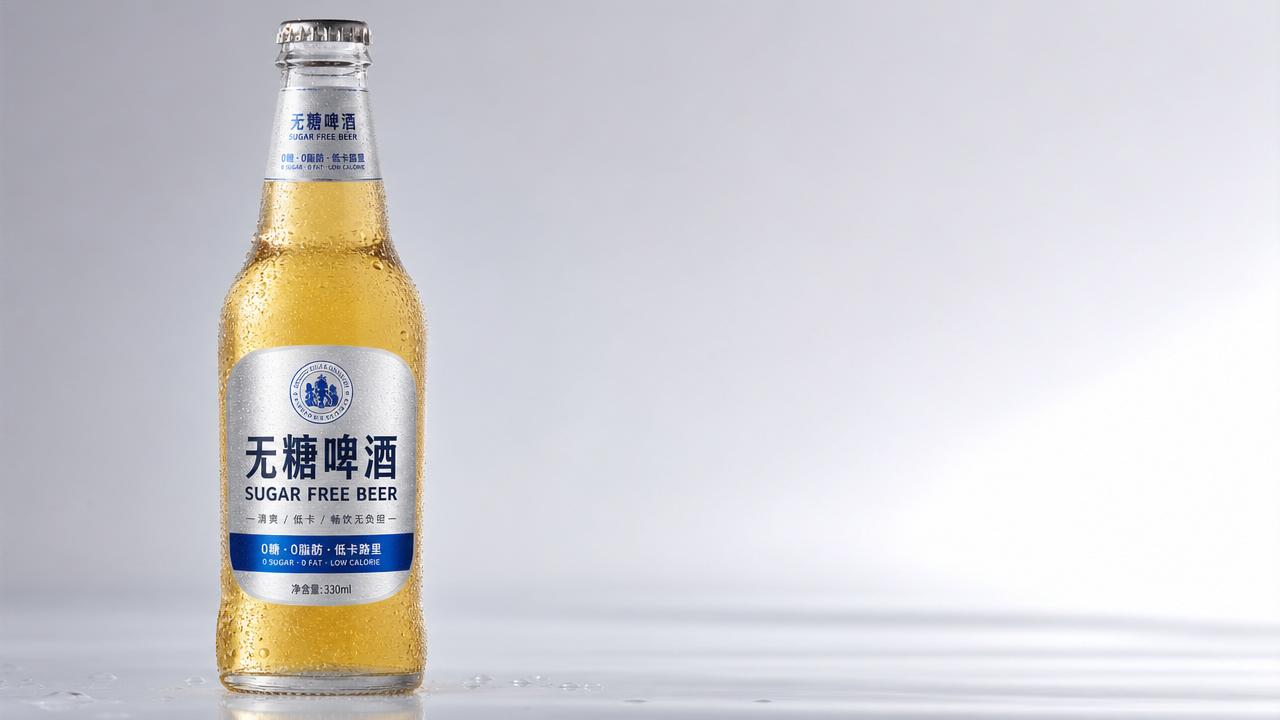
As China’s sugar-free beer supplier landscape enters a pivotal regulatory phase, compliance with updated labeling standards—set to take full effect in 2026—is no longer optional. For enterprise decision-makers evaluating sugar-free beer supplier China partnerships, understanding these tightening requirements is critical to market access, brand credibility, and supply chain continuity. Jinpai Beer, a certified craft beer innovator specializing in sugar-free low-calorie formulations, proactively aligns with upcoming GB standards—ensuring transparent ingredient disclosure, accurate nutritional claims, and bilingual labeling readiness. This article unpacks the implications for importers, distributors, and retail partners navigating China’s evolving functional beverage regulations.
A Regulatory Shift Is Already Underway
The National Medical Products Administration (NMPA) and Standardization Administration of China (SAC) have finalized draft revisions to GB 7718–2024 (General Rules for Labeling of Prepackaged Foods) and GB 28050–2024 (Nutrition Labeling for Prepackaged Foods). These updates formally classify sugar-free beer as a “functional prepackaged beverage” under Category 14.12—not standard alcoholic beverages.
Enforcement begins January 1, 2026. But early adoption is accelerating: customs clearance data shows a 43% rise in labeling-related rejections for imported sugar-free beer since Q3 2024. Non-compliant batches face mandatory relabeling, detention, or destruction—delaying shelf placement by 12–22 business days on average.
Five Key Drivers Behind the Tighter Oversight
- Consumer literacy surge: Over 68% of urban Chinese consumers now cross-check nutrition labels before purchasing low-alcohol functional drinks (China CDC Nutrition Survey 2025).
- Regulatory harmonization: Alignment with Codex Alimentarius Guideline CXG 2-1985 and EU Regulation (EU) No 1169/2011 on food information.
- Health policy integration: Direct linkage to China’s “Healthy China 2030” roadmap—specifically its target to reduce added sugar intake by 20% by 2026.
- Market fragmentation risk: Unverified “zero-sugar” claims from unregistered suppliers triggered over 1,200 consumer complaints in 2024 (12315 Platform data).
- Tax & classification clarity: Accurate labeling determines whether products fall under 13% VAT (standard goods) or 9% VAT (health-oriented functional items)—affecting landed cost and pricing strategy.
What Changes Are Required—Beyond “Sugar-Free” Claims?
Labeling compliance now demands structural precision—not just terminology. All sugar-free beer suppliers in China must meet the following non-negotiable criteria:
Three Critical Business Impacts to Anticipate
- Distribution channel readiness: Major supermarket chains—including RT-Mart and Yonghui—now require GB 7718–2024 compliance certificates before listing. Shelf space allocation is tied directly to label audit scores.
- OEM/ODM partner vetting: Global brands sourcing sugar-free beer from China are adding third-party labeling validation into supplier qualification checklists—adding 3–5 weeks to onboarding.
- E-commerce visibility: Tmall and JD.com now filter search results for “sugar-free beer” using label metadata. Non-compliant SKUs are excluded from category banners and algorithmic recommendations.
Jinpai Beer’s Proactive Compliance Framework
As a sugar-free beer supplier China partner trusted by 37 international distributors, Jinpai Beer embeds compliance at every stage:
- Lab-certified sugar quantification per batch (SGS Shanghai accredited); full traceability to raw malt and yeast strains.
- Bilingual label design validated by Shanghai Customs’ Pre-Clearance Advisory Unit.
- Pre-submission review of all functional claims with NMPA-authorized health dossier consultants.
- Real-time GB standard update dashboard for OEM clients—accessible via secure portal.
Strategic Next Steps for Global Partners
Acting ahead of 2026 ensures continuity—not correction. Here’s how to proceed:
- Request current label mock-ups and GB 7718–2024 gap analysis from your sugar-free beer supplier China by June 2025.
- Verify that their testing lab holds CNAS accreditation for GB 5009.8–2023 and issues bilingual reports.
- Confirm bilingual artwork files include editable vector layers—not flattened PDFs—for rapid iteration.
- Initiate NMPA health claim dossier preparation if targeting “low-glycemic” or “blood sugar stable” positioning.
Jinpai Beer offers free labeling compliance consultation for qualified partners—covering label layout validation, claim wording alignment, and customs pre-clearance simulation. With production capacity across three ISO 22000-certified facilities and dedicated R&D for sugar-free low-calorie innovation, we support global brands seeking reliable, regulation-ready supply.
Contact our export team today to receive a customized 2026 Label Readiness Roadmap—including timeline, documentation checklist, and bilingual template library. Partner with a sugar-free beer supplier China that treats compliance as innovation—not overhead.
Thank you very much for writing to us. Please leave your message and contact information, we will reply to you within 24 hours.