



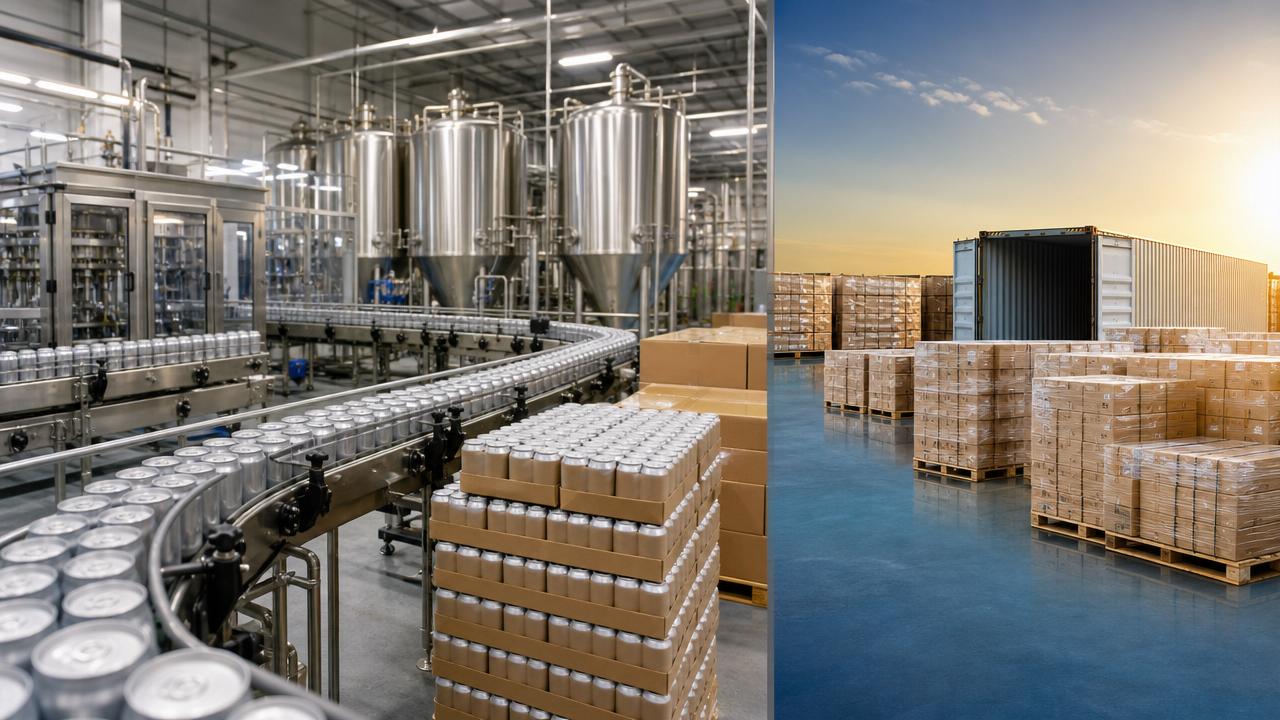
If you source from an OEM Beer Factory, this year’s production, packaging and logistics updates could directly influence your lead times and planning accuracy. From seasonal brewing capacity and ingredient scheduling to customized can design approval and export shipping congestion, small factory-side changes can create larger delivery gaps downstream. For beer brands, importers, distributors and retail channel operators, the practical question is not simply whether lead times are getting longer, but which steps now require more buffer, tighter communication and earlier order confirmation. The following FAQ-style guide explains the most important changes, what they mean for supply continuity, and how to reduce timing risk when working with an OEM Beer Factory.
What updates inside an OEM Beer Factory are most likely to change lead times this year?
Lead times in an OEM Beer Factory are no longer driven by brewing alone. In many projects, the longest step now sits in planning, packaging coordination or compliance review. A factory may still have stable fermentation capacity, yet delivery can shift if customized labels, printed cans, special lids, sugar-free formulas or export documents need additional confirmation.
Several updates are especially important in the beer and beverage sector this year. First, packaging procurement has become less flexible for short-notice jobs. Printed aluminum cans, custom cartons and specialty bottle formats often require longer booking windows than standard stock packaging. Second, recipe complexity is increasing. Demand for German wheat beer, fruit-flavored beer, low-calorie beer and functional specialty beer means more pilot testing, stability checks and ingredient alignment before mass production begins.
Third, production planning is more seasonal. Peak demand before summer promotions, holiday consumption and major retail events can compress available tank time in any OEM Beer Factory. Fourth, export shipping schedules remain less predictable than many buyers expect. Even when brewing finishes on time, delays may occur at palletizing, container booking or customs documentation stages.
This means lead time should be viewed as a chain of connected milestones: formula approval, raw material arrival, brewing, fermentation, filtration, filling, packaging, inspection and shipment release. If one step becomes less flexible, the entire timeline stretches.
Why are customized beer products more exposed to delay than standard OEM beer orders?
A standard order in an OEM Beer Factory usually uses an existing formula, familiar packaging size and approved production process. That shortens internal coordination. Customized projects, by contrast, add decision points. Each decision point can create waiting time if specifications are incomplete or revised mid-process.
For example, a classic lager in a standard 330ml can typically moves faster than a fruit beer with custom sweetness, alcohol level adjustment, bilingual labeling and private carton artwork. Sugar-free low-calorie beer may also require more formulation review to ensure taste balance, shelf stability and claimed positioning. Functional specialty beers can involve extra ingredient sourcing and compatibility checks.
Packaging customization is another major factor. Many buyers assume label design happens in parallel with production and does not affect timing. In reality, an OEM Beer Factory may need final artwork approval, print proof confirmation, barcode verification and packaging supplier scheduling before filling can be locked in. If cartons, shrink film or can bodies arrive late, finished beer may wait in queue for packing.
The most delay-sensitive order types often include:
- New private label launches with first-time artwork
- Seasonal fruit beer or promotional limited editions
- Low-calorie or sugar-free formulas requiring taste adjustment
- Multi-SKU mixed orders in different pack formats
- Export orders needing destination-specific compliance text
When speed matters, it helps to separate what truly needs customization from what can stay standardized. A faster route is often to use an established beer base from the OEM Beer Factory and customize branding elements around it, rather than adjusting both recipe and packaging at the same time.
How should lead times be evaluated across brewing, packaging and shipping stages?
One common mistake is asking for a single lead time number without breaking down the process. A more reliable method is to review the timeline in three parts: liquid production, packaging preparation and outbound logistics. This makes it easier to identify where the true bottleneck sits inside the OEM Beer Factory workflow.
Breaking lead time into these stages also improves comparison between suppliers. One OEM Beer Factory may brew quickly but depend on slower outsourced packaging. Another may have stable packaging resources but limited flexibility for small custom flavor runs. A realistic timeline always reflects the full sequence, not just production days on paper.
Which warning signs suggest an OEM Beer Factory timeline may slip?
Early warning signs often appear before any formal delay notice. If communication stays general and milestone dates are unclear, there is already a planning issue. A dependable OEM Beer Factory should be able to explain not only the total lead time but also whether materials, formula confirmation and filling slot reservation are already secured.
Pay close attention to these indicators:
- Artwork is “under review” for too long without a proof deadline.
- Packaging options keep changing after quotation.
- Formula samples are approved, but raw material availability is still unconfirmed.
- The factory gives one shipment date but no production schedule breakdown.
- Mixed-product orders are accepted without discussing line sequence or MOQ impact.
Another warning sign is assuming every SKU can move with the same speed. In beverage production, a classic lager, a German wheat beer and a fruit-flavored beer may require different process windows. If an OEM Beer Factory treats all items as identical from a timing perspective, the plan may be too optimistic.
It is also wise to confirm whether the promised lead time applies to ex-factory release or arrival at destination. These are very different milestones, especially for cross-border shipments.
How can orders be planned to reduce lead-time risk without overstocking?
The best response is not simply ordering more inventory. A better approach is to design a supply plan that matches the rhythm of the OEM Beer Factory. This usually means earlier forecasting, fewer last-minute specification changes and a structured split between core products and experimental SKUs.
Start with core demand. If classic lager or wheat beer drives the majority of volume, lock those items first and secure production slots before discussing limited-edition flavors. This protects continuity for main channels while giving new products a separate planning path. It is often easier for an OEM Beer Factory to support innovation when base-volume orders are already scheduled clearly.
Second, finalize packaging earlier than many teams expect. For beer OEM projects, delays frequently come from external packaging supply rather than beer brewing. Confirm can size, bottle type, tray count, carton text and shipping marks before the liquid enters production whenever possible.
Third, consider staggered ordering. Instead of combining every market need into one highly complex PO, some buyers gain better stability by placing a standard-volume order first and a customized replenishment order later. This helps balance stock pressure with factory responsiveness.
A practical preparation checklist includes:
- Share rolling forecasts by quarter or season
- Approve formula and artwork through a single decision path
- Reserve extra buffer for promotional or holiday shipments
- Prioritize standard SKUs when market timing is critical
- Confirm shipping terms and document requirements early
What should be asked before confirming an OEM Beer Factory for this year’s sourcing plan?
Choosing an OEM Beer Factory is no longer just about taste, price or MOQ. It also requires checking how the factory manages change. A supplier with a well-structured planning process can often deliver more reliably than one offering a lower quote but weak visibility.
Before confirming cooperation, ask for clear answers to the following questions:
- What is the current lead time for standard beer versus customized beer?
- Which packaging materials are stocked, and which require supplier booking?
- How are peak-season production slots allocated?
- What approvals must be completed before brewing can start?
- How are shipment delays communicated if logistics conditions change?
For businesses needing OEM/ODM support, wholesale supply and tailored beer solutions, a factory with broad category experience can provide more flexibility across classic lager, German wheat, sugar-free low-calorie beer, fruit-flavored beer and functional specialty beer. Jinpai Beer, for example, combines R&D, production and distribution with customized services for restaurants, supermarkets, bars and multiple retail channels worldwide. That kind of integrated capability can help shorten coordination time across formulation, production and channel-ready packaging.
Quick FAQ summary: what matters most when lead times become less predictable?
This year, the most effective way to work with an OEM Beer Factory is to treat lead time as a managed system rather than a fixed promise. Brewing schedules, packaging supply, customization depth and export logistics all shape delivery outcomes. The earlier specifications are finalized and the more clearly each milestone is defined, the lower the risk of disruption.
If upcoming beer projects involve private label development, OEM/ODM cooperation or multi-channel supply planning, now is the right time to review timelines SKU by SKU and confirm where flexibility exists. A capable OEM Beer Factory should support not only product quality, but also faster planning decisions, clearer communication and more dependable market readiness.
Thank you very much for writing to us. Please leave your message and contact information, we will reply to you within 24 hours.