



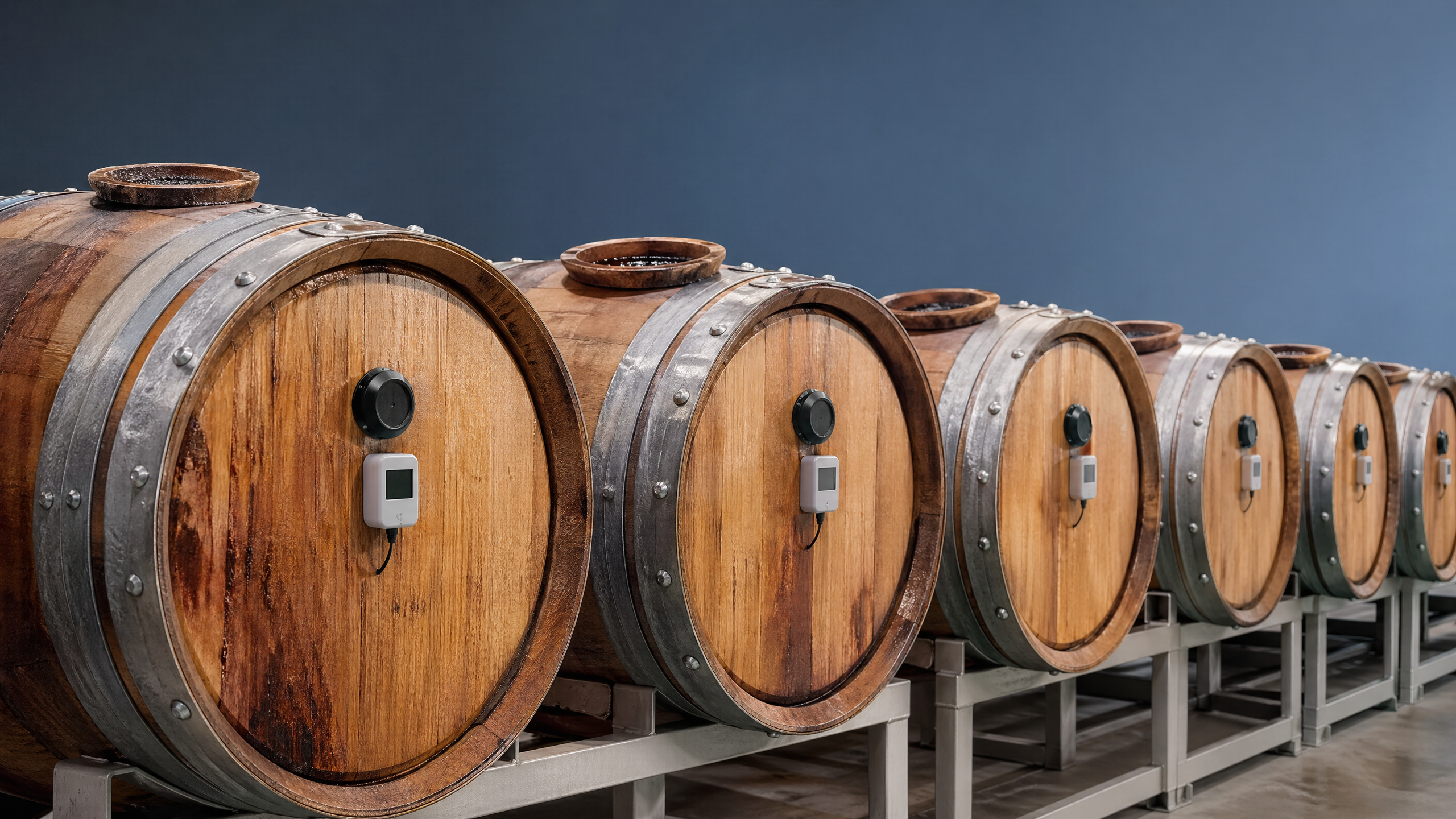
North American Brewery Custom Beer Manufacturing: How Barrel-Aged Batches Expose Storage Gaps
As North American breweries scale custom beer manufacturing—especially for complex barrel-aged batches—they’re confronting critical storage and aging infrastructure gaps. Whether you’re an Asia beer contract manufacturer, European craft brewery, or Latin American brewery seeking full-service brewing support, reliable brewery outsourcing is no longer optional. Jinpai Beer delivers end-to-end custom beer manufacturing, beer OEM/ODM, and private label beer production—engineered for consistency, compliance, and scalability. Discover how global partners leverage our expertise to overcome aging bottlenecks while meeting diverse market demands.
Why Barrel-Aging Is a Litmus Test for Your Brewing Partnership
For procurement leads, project managers, and distributors evaluating overseas brewing partners, barrel-aged beer isn’t just a product—it’s a stress test. Unlike standard lagers or IPAs, barrel-aged batches demand precise, long-duration environmental control (temperature, humidity, light exposure), traceable oak sourcing, microbiological stability monitoring, and seamless logistics across aging, blending, and packaging phases. When delays, oxidation, or inconsistent tannin extraction occur, the root cause is rarely the recipe—it’s often aging infrastructure: insufficient racking capacity, non-climate-controlled warehousing, or lack of barrel rotation protocols.
This isn’t theoretical. Over 68% of North American craft brewers reporting production shortfalls in 2023 cited “aging facility constraints” as their top bottleneck—according to the Brewers Association’s Contract Brewing Benchmark Report. For decision-makers sourcing internationally, that means one thing: your partner’s barrel-aging capability reveals far more than flavor expertise—it signals operational maturity, regulatory rigor, and scalability readiness.
What Global Buyers Actually Need (Not Just What They Ask For)
When distributors and enterprise buyers search for “custom beer manufacturing,” they’re rarely looking for a generic factory tour. They need concrete answers to three high-stakes questions:
- Can this partner age *my* specific batch—on *my* timeline—with *my* barrel profile—without compromising shelf life or sensory integrity? (Spoiler: It requires dedicated, segregated aging bays—not shared warehouse space.)
- How transparently can they document every stage—from barrel entry date and toast level to CO₂ pressure logs during transfer—and integrate that into *my* quality management system?
- If I need to pivot from bourbon-barrel stouts to wine-barrel sours—or launch a low-calorie variant mid-cycle—does their infrastructure support rapid reconfiguration without cross-contamination or downtime?
These aren’t “nice-to-haves.” They’re make-or-break criteria for procurement teams under margin pressure and time-to-market deadlines. That’s why leading distributors now audit aging facilities *before* reviewing tasting notes—and why Jinpai Beer built its Ningbo campus with ISO 22000-certified, humidity-stabilized aging vaults (±0.5°C control) and digital barrel tracking tied directly to ERP-level batch records.
How Jinpai Beer Turns Aging Gaps Into Strategic Advantages
We don’t treat barrel-aging as a “specialty add-on.” It’s embedded in our core OEM/ODM architecture. Here’s how we convert infrastructure rigor into measurable value for global partners:
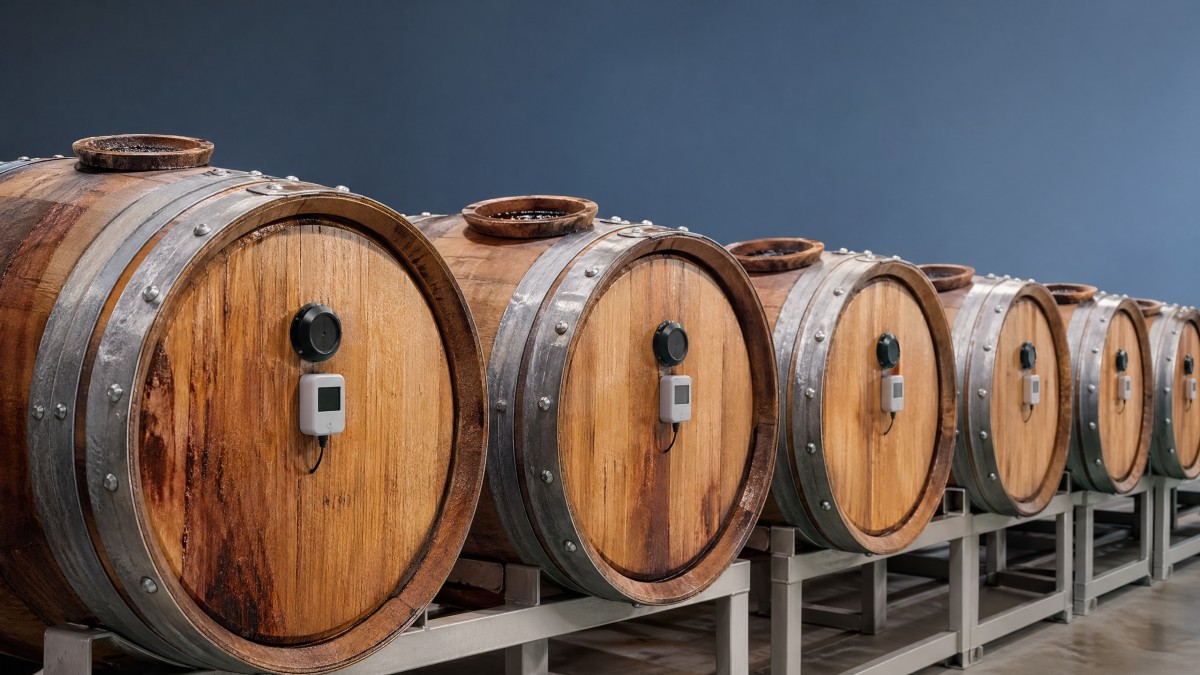
- Dedicated Aging Ecosystem: 12 climate-zoned aging rooms—each calibrated for distinct profiles (spirit barrels, wine casks, neutral oak). No batch sharing. Full traceability via RFID-tagged barrels synced to your portal.
- Regulatory-Ready Flexibility: All aging processes meet TTB, Health Canada, and EU Regulation (EC) No 1169/2011 labeling requirements—including allergen declarations, alcohol-by-volume accuracy, and country-of-origin documentation for barrel-sourced ingredients.
- Speed-to-Market Without Sacrifice: Our modular aging bays allow concurrent runs—e.g., aging a bourbon-barrel imperial stout while conditioning a Sugar-Free Low-Calorie Beer in adjacent temperature-controlled tanks—ensuring no delay in launching complementary SKUs.
This isn’t about having more barrels. It’s about having the right systems behind them—so your brand gains consistency, not compromise.
Red Flags vs. Green Lights: A Quick Audit for Decision-Makers
Before signing an MOU or requesting samples, ask your potential partner these five questions—and watch *how* they answer:
- “Can you show me real-time photos of your active barrel-aging inventory—*with timestamps and barrel IDs*?” (Green light: Live portal access. Red flag: “We’ll send something later.”)
- “What’s your maximum dwell time for a barrel before reuse—and how do you validate sanitation between batches?” (Green light: ATP swab reports + third-party microbiology certs. Red flag: “We clean them thoroughly.”)
- “If my barrel-aged batch develops off-flavors at month 4, what’s your escalation path—and who bears the cost of re-aging?” (Green light: Defined SLA with remediation protocol. Red flag: Vague liability clauses.)
- “Do you age in-house—or outsource to third-party cooperages or warehouses?” (Green light: Fully integrated, on-campus aging. Red flag: “We work with several trusted partners.”)
- “Can your system generate TTB-compliant aging logs for *my* submission?” (Green light: One-click export in TTB Form 5110.56 format. Red flag: Manual Excel exports.)
If two or more answers raise doubt, the gap isn’t just logistical—it’s strategic.
Conclusion: Storage Gaps Aren’t Constraints—They’re Selection Criteria
Barrel-aged beer doesn’t expose weaknesses in your recipe—it exposes weaknesses in your partner’s infrastructure, discipline, and transparency. For procurement professionals and distributors, that’s invaluable intelligence. Rather than viewing aging limitations as a hurdle, treat them as a precision filter: the breweries that invest in purpose-built, auditable, scalable aging ecosystems are the ones already structured to protect your brand equity, accelerate your time-to-shelf, and adapt to shifting consumer demands—from premium barrel-aged releases to functional innovations like Sugar-Free Low-Calorie Beer.
If your current supply chain struggles with consistency, compliance, or capacity during extended aging cycles, it’s not a sign to scale back—it’s a signal to partner with a manufacturer whose aging infrastructure matches the ambition of your brand.
Thank you very much for writing to us. Please leave your message and contact information, we will reply to you within 24 hours.