



Latin American Brewery Full-Service Brewing: Why Shipping Temperature Logs Get Overwritten
For procurement managers and decision-makers evaluating Latin American brewery partners—or comparing Asia beer contract manufacturers, European craft breweries, and North American brewery options—full-service brewing demands more than just fermentation expertise. When temperature logs during transit get overwritten, traceability collapses, risking compliance, quality control, and brand integrity. Jinpai Beer, a global custom beer manufacturing leader, integrates end-to-end brewery outsourcing with immutable cold-chain monitoring—ensuring your private label beer production, beer OEM/ODM projects, and wholesale supply meet strict food-safety standards across all regions.
Why overwritten temperature logs signal deeper operational risk—not just a tech glitch
When you’re sourcing beer from a Latin American brewery—or any international contract brewer—overwritten temperature logs aren’t merely an IT oversight. They’re a red flag for systemic gaps in cold-chain governance: missing audit trails, non-compliant data retention policies, or lack of tamper-proof logging infrastructure. For procurement managers and distributors, this directly undermines three non-negotiables: (1) regulatory compliance (e.g., FDA FSMA, EU Annex 11, ANVISA RDC 216), (2) shelf-life validation for sensitive styles like Sugar-Free Low-Calorie Beer, and (3) liability protection if a shipment arrives out of spec. Unlike domestic suppliers, cross-border beer logistics involve multiple handoffs—export customs, ocean freight, inland transport—each layer increasing the chance of log corruption or intentional overwriting when systems aren’t designed for forensic-grade continuity.
What’s really at stake? Three business-critical consequences
Overwritten logs don’t just complicate paperwork—they erode decision-making confidence:
- Compliance exposure: Regulators increasingly require raw, unaltered temperature data spanning the full cold chain. Overwritten files invalidate HACCP plans and may trigger import rejections—especially for functional beers with active ingredients or low-acid formulations.
- Quality drift without visibility: A 4°C deviation for just 6 hours can accelerate oxidation in hop-forward IPAs or destabilize yeast-sensitive styles like German wheat. Without immutable logs, root-cause analysis becomes guesswork—not actionable insight.
- Contractual ambiguity: In OEM/ODM agreements, temperature breach clauses often hinge on verifiable data. If logs are overwritten pre-arrival, responsibility shifts from logistics to manufacturer by default—leaving your brand holding the risk.
How Jinpai Beer eliminates overwrite risk—without adding complexity
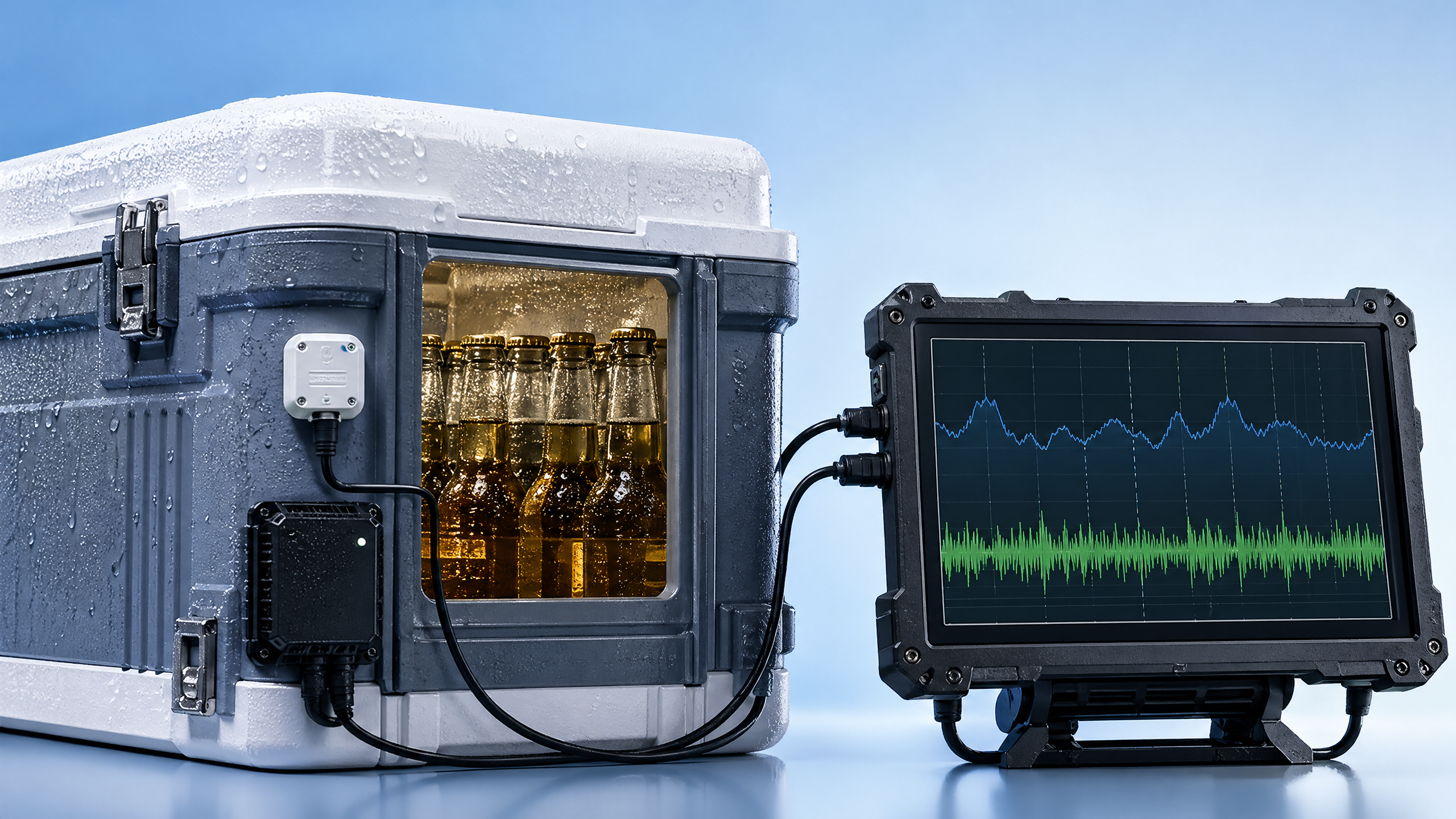
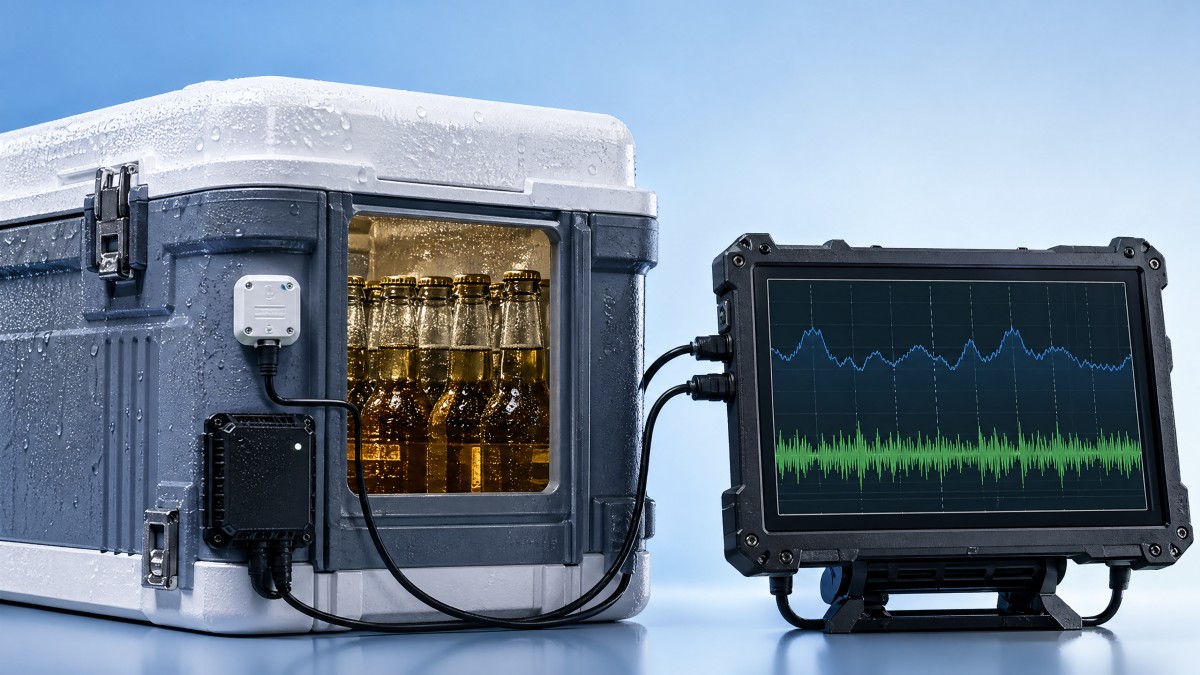
Jinpai Beer embeds ISO 22000-aligned cold-chain assurance into its full-service brewing model—not as an add-on, but as infrastructure. We deploy blockchain-anchored IoT loggers (certified to IEC 60751 Class A) that write once, read many—preventing deletion, editing, or overwriting at the firmware level. Data flows automatically to your secure portal, timestamped, GPS-geotagged, and cryptographically signed. No manual uploads. No shared admin accounts. No “log rotation” policies that erase history. This means procurement teams get real-time visibility *before* goods clear customs—and auditors get immutable evidence on demand. Whether you’re scaling distribution across LATAM retail channels or launching a limited-edition fruit-flavored beer line, traceability is baked in—not bolted on.
What to ask your brewery partner (beyond “Do you have temperature logs?”)
Don’t settle for yes/no answers. Ask these five operational questions—and watch how they respond:
- “Where is the raw log file stored? On-device memory, cloud server, or local PC—and who holds the write permissions?”
- “What’s your data retention policy—and is it enforced at the hardware level, or just via software settings?”
- “Can you demonstrate a full audit trail—from sensor reading to final PDF report—including timestamps for every system event?”
- “If a log file is flagged as ‘overwritten’ during internal QA, what’s your documented escalation path and corrective action?”
- “Do your OEM contracts explicitly assign ownership of cold-chain data—and define penalties for non-compliance?”
If answers rely heavily on “we check manually” or “our software auto-updates,” proceed with caution. True traceability is automated, immutable, and built into the process—not layered on top.
Bottom line: Temperature logs shouldn’t be managed. They should be trusted.
For enterprise buyers, distributors, and brand owners, choosing a full-service brewery isn’t about lowest cost—it’s about lowest *risk-adjusted total cost*. Overwritten temperature logs expose hidden vulnerabilities in quality systems, compliance readiness, and partnership transparency. Jinpai Beer delivers certified cold-chain integrity across all production tiers—from classic lager to innovative functional specialty beers—so your private label launches land with confidence, not compromise. When you need scalable, compliant, and fully auditable beer manufacturing—anywhere from São Paulo to Singapore—we ensure every degree, every hour, every handoff leaves an unbroken, unalterable record.
Thank you very much for writing to us. Please leave your message and contact information, we will reply to you within 24 hours.