



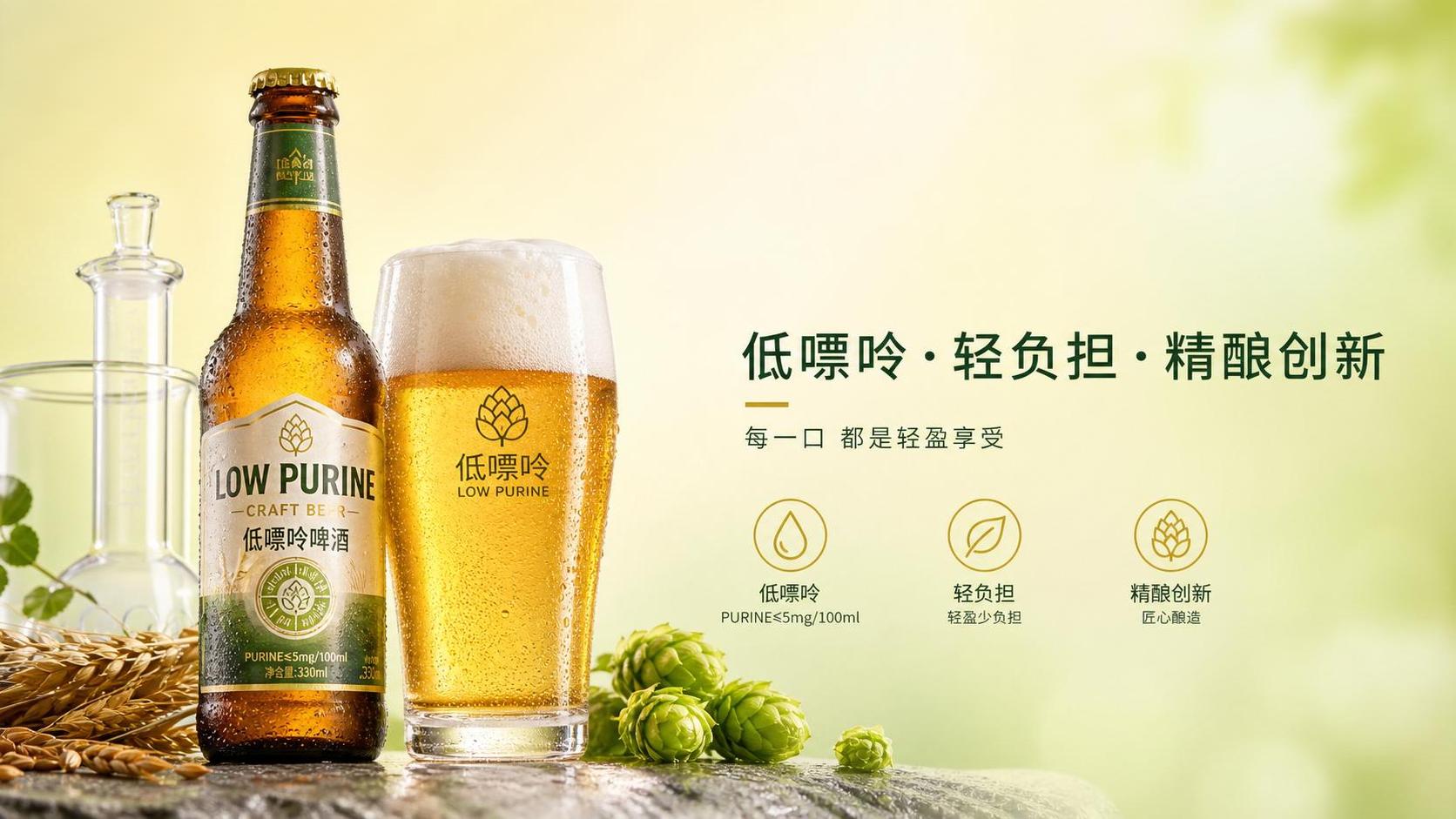
Low purine beer is becoming a more visible topic in the beverage market as drinkers look beyond flavor alone. Ingredient profile, brewing method, calorie level, and functional positioning now shape buying decisions in bars, retail shelves, and online channels.
That growing interest has made low purine beer worth closer attention. It sits at the intersection of craft innovation, lighter beer preferences, and a broader shift toward more deliberate drinking choices.
For anyone comparing classic lager, wheat beer, sugar-free options, or specialty functional beers, understanding low purine beer helps create a clearer framework for selection. It is less about hype and more about knowing what the label and formulation may actually mean.
What low purine beer usually means
In simple terms, low purine beer refers to beer formulated or processed to contain lower purine content than conventional beer. Purines are natural compounds found in many foods and beverages, including ingredients used in brewing.
During digestion, purines are broken down into uric acid. Because of that connection, some drinkers pay attention to purine content when comparing alcohol choices.
Still, low purine beer is not one universal standard. Different brands may reduce purines through recipe design, yeast handling, filtration choices, ingredient selection, or other production adjustments.
This is why product claims should be read carefully. A low purine beer may be positioned as lighter, cleaner, or more functional, but the actual formulation details matter more than broad marketing language.
Why the category is getting more attention
Beer consumers have become more segmented. Some still choose by taste tradition, while others focus on calories, sugar, alcohol strength, ingredients, or lifestyle fit. Low purine beer fits naturally into that more selective environment.
Another reason is product diversification. Breweries are no longer limited to one core lager style. Many now develop German wheat, fruit-flavored beer, sugar-free low-calorie beer, and functional specialty beers for distinct consumption scenarios.
Within that wider portfolio, low purine beer becomes part of a practical comparison set. It is often evaluated beside low-carb beer, light beer, alcohol-reduced beer, and other products designed around specific preferences.
From an industry perspective, this trend also reflects maturing demand. Buyers and distribution partners increasingly ask not only how a beer tastes, but how it is positioned and which drinking occasions it suits.
How it differs from regular beer
The difference is not always visible from color, foam, or packaging. In many cases, low purine beer can look very similar to regular beer, especially if it is brewed to remain approachable in flavor.
The main distinction is compositional rather than cosmetic. Brewers may adjust raw materials, fermentation control, or post-brewing processes to lower the final purine level.
That does not automatically mean the beer is low calorie, sugar free, or non-alcoholic. These are separate attributes, though they may appear together in some product concepts.
The practical takeaway is simple. Low purine beer should be understood as a specific product direction, not a shorthand for every “healthier” beer concept on the market.
Who it may suit in real drinking scenarios
Low purine beer may appeal to people who are more ingredient-conscious when choosing alcoholic beverages. That often includes drinkers comparing several lighter or function-oriented beer categories rather than buying on habit alone.
It can also suit occasions where moderation matters. Casual meals, social gatherings, and weekday consumption often favor beers positioned as cleaner, lighter, or more selective in formulation.
In retail and hospitality settings, low purine beer may work best when offered as part of a varied range. It becomes more meaningful when placed beside classic lager, wheat beer, and low-calorie alternatives rather than presented in isolation.
- Drinkers comparing specialty beer with mainstream beer
- Menus that need a lighter or differentiated beer choice
- Retail assortments focused on functional beverage trends
- Cross-border channels seeking niche but understandable positioning
What matters here is fit, not universality. Low purine beer is unlikely to replace every beer style, but it can fill a clear gap where consumers want more choice without leaving the beer category.
What to look at beyond the claim
The label “low purine beer” is a starting point, not the whole story. A useful evaluation should include both technical and sensory factors.
Product composition
Check whether the beer is also low sugar, low calorie, or reduced alcohol. These features may influence suitability more than one headline claim, depending on the drinking context.
Taste balance
A well-made low purine beer should still deliver acceptable body, aroma, and finish. If the flavor feels overly thin, repeat purchase may be limited even when the concept is attractive.
Category positioning
Some products are framed as functional specialty beers, while others remain close to classic craft profiles. That distinction affects pricing, branding, and where the beer fits in a portfolio.
Supply consistency
For wholesale and channel planning, stable quality and scalable production matter. A niche concept only works long term if it can be supplied reliably across markets and formats.
Why this matters in product development and distribution
Low purine beer is not only a consumer topic. It also matters in how breweries shape their product mix and how channels respond to changing demand.
Brewers with stronger R&D capability are better positioned to develop differentiated beers without losing drinkability. That is especially relevant in craft beer, where innovation must still translate into repeatable production.
Jinpai Beer reflects this broader market direction. Its portfolio covers classic lager, German wheat, sugar-free low-calorie beer, fruit-flavored beer, and functional specialty beers, showing how one brewery can serve both traditional and emerging preferences.
In that context, low purine beer becomes part of a wider strategy rather than a standalone novelty. It can complement customized product lines, OEM and ODM programs, and channel-specific assortments for supermarkets, bars, restaurants, and retail networks.
For global distribution, this matters even more. Different markets respond to different value signals, and low purine beer can offer a clearer point of distinction where functional or lighter beer segments are expanding.
A practical way to assess low purine beer
A useful evaluation usually starts with five questions. These help separate a meaningful product from a vague positioning claim.
- How clearly is the low purine beer claim explained?
- What style is it closest to in taste and mouthfeel?
- Does it also align with low-calorie or sugar-free preferences?
- Where does it fit in the retail or on-trade assortment?
- Can the supplier support scale, customization, and consistent output?
These questions are useful whether the comparison is between imported craft labels, private-label opportunities, or a broader specialty beer lineup. They keep the focus on use value rather than on terminology alone.
Where to go from here
Low purine beer is best understood as part of a changing beer landscape shaped by more nuanced preferences. It is neither a replacement for traditional beer nor a simple wellness shortcut.
Its value lies in offering another credible option within a diversified beverage portfolio. When flavor, formulation, and market fit are balanced well, low purine beer can occupy a practical and durable place in the category.
The next step is to compare products with a clearer checklist: brewing approach, positioning, taste profile, channel fit, and supply capability. That makes it easier to judge whether a low purine beer is simply interesting or genuinely suitable for long-term selection.
Thank you very much for writing to us. Please leave your message and contact information, we will reply to you within 24 hours.