



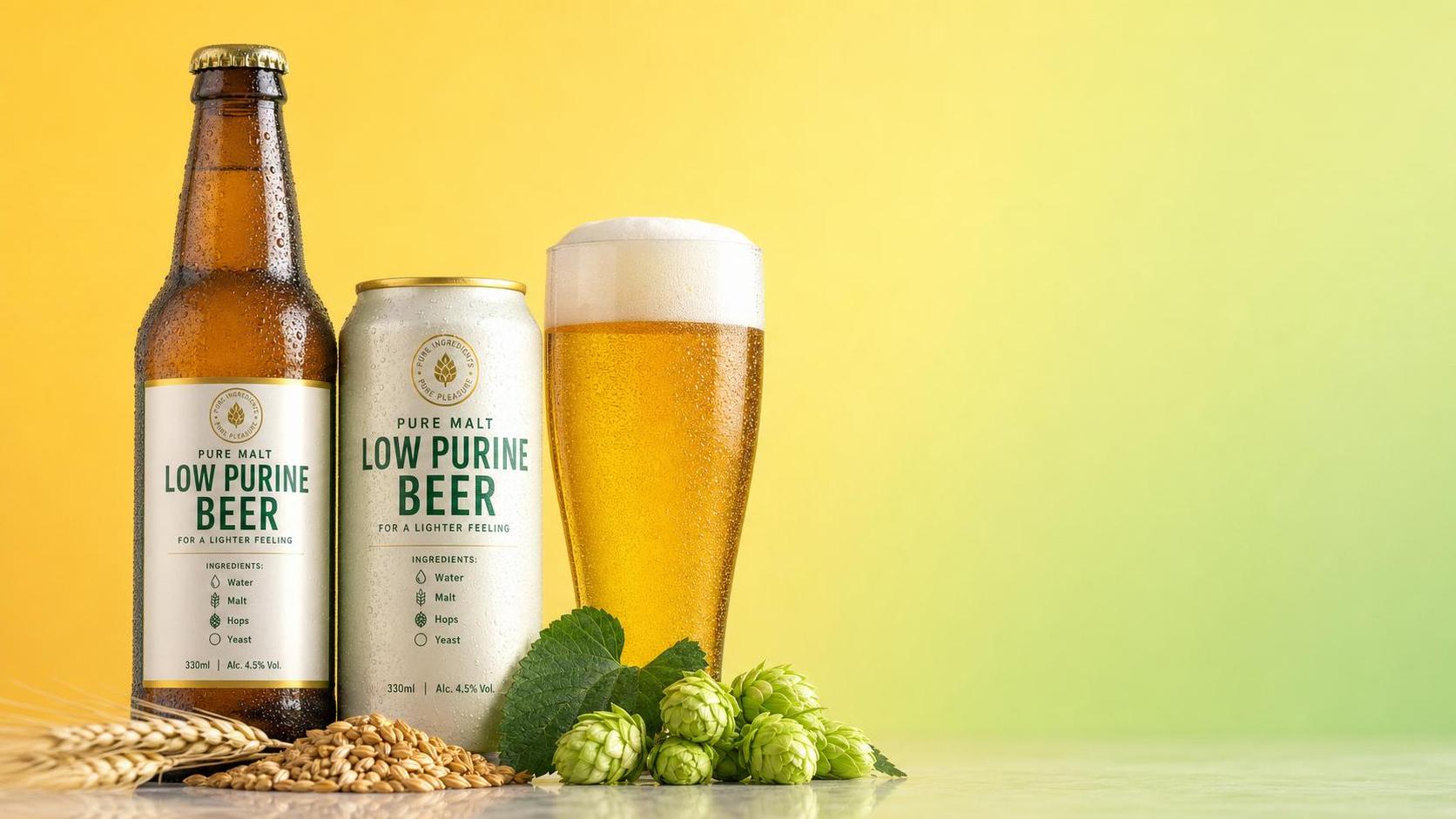
Choosing a low purine beer is no longer only about following a lighter-drinking trend. It is also about reading labels more carefully, understanding brewing choices, and knowing whether a product matches a more transparent approach to beer. When ingredient clarity matters, a low purine beer gives shoppers a useful starting point, but the name alone is never the full story.
In today’s beverage market, drinkers often compare sugar content, calories, flavor profile, and brewing style before they buy. That shift has also increased attention on functional and specialty beer categories. A well-made low purine beer sits within that wider movement, where people want familiar enjoyment with better visibility into ingredients, processing, and product positioning.
Why low purine beer is getting more attention
Beer has always been judged by taste, aroma, body, and freshness. Now, transparency has joined that list. More people want to know what grains are used, how fermentation is managed, and whether a beer is designed for a specific lifestyle preference.
That is where low purine beer becomes relevant. Purines are naturally linked to ingredients and fermentation materials, so consumers increasingly look for beers that explain how the formula and process are adjusted. The category attracts attention not because it promises magic, but because it offers a clearer decision framework.
This matters even more in a market filled with craft innovation. Breweries are launching classic lager, German wheat, fruit-flavored beer, sugar-free low-calorie beer, and other specialty options. With more choice comes more need for precise product information.
What low purine beer actually means in practice
Low purine beer generally refers to beer developed to reduce purine content compared with conventional alternatives. The reduction may come from ingredient selection, brewing control, filtration choices, or formula refinement.
That said, the term should be treated as a product characteristic, not a shortcut for quality. A beer can be low in purines and still vary widely in taste, ingredient simplicity, and production consistency. The better question is whether the product explains its identity clearly.
Ingredient transparency means more than listing water, malt, hops, and yeast. It also includes whether adjuncts are used, whether sweeteners are added, how flavor is created, and whether the beer belongs to a functional specialty line or a mainstream range.
Transparency starts with context
A trustworthy low purine beer usually provides enough context to help buyers understand what they are choosing. That may include brewing style, intended flavor profile, alcohol level, calorie direction, and the role of any added ingredients.
When product communication is vague, the low purine label can feel disconnected from the rest of the beer. Clear positioning makes comparison easier, especially when shelf options include low-calorie, sugar-free, wheat, fruit, and functional beers.
How to read the label beyond the front claim
The front of a can or bottle often carries the strongest marketing message. The real details usually appear elsewhere. If you want better ingredient transparency, read the full product information with a practical checklist in mind.
- Check the ingredient list for grain sources, flavor additions, sweeteners, or unusual additives.
- Look for style cues such as lager, wheat, fruit beer, or functional specialty beer.
- Review alcohol by volume and calorie positioning to see how the beer fits your preferences.
- Notice whether the brand explains its brewing or filtration approach.
- Compare packaging language across channels to see if the claims remain consistent.
Consistency matters. A reliable low purine beer should not describe itself one way online and another way in retail packaging. If the same product appears in supermarkets, bars, and e-commerce listings, the core technical message should stay aligned.
What strong product information often includes
Brewing method matters as much as the claim
A low purine beer should be judged by how credibly it is made. Ingredient transparency improves when a brewer explains the connection between recipe design and production technique.
This is especially relevant in craft and specialty brewing, where process choices directly influence flavor and positioning. Different yeast behavior, grain balance, filtration methods, and fermentation control can shape both the drinking experience and the product story.
Brewers with broader R&D capability are often better placed to develop specialty products with clearer technical logic. That becomes important when a portfolio includes not only lager and wheat beer, but also sugar-free low-calorie beer, fruit-flavored beer, and other functional options.
In other words, low purine beer makes more sense when it is part of a coherent product system rather than an isolated label claim. A brewery that works across multiple categories often has more experience balancing taste, formulation, and market communication.
Where low purine beer fits in real buying scenarios
Not every beer is chosen for the same reason. Some purchases are casual. Others involve comparing several options for home stocking, dining occasions, or gifting. A low purine beer tends to stand out when the buyer wants both refreshment and a clearer ingredient story.
In restaurants or bars, the category works best when staff can explain the difference between a low purine beer and a standard light beer. In retail, clearer labels and straightforward packaging copy matter more. Online, shoppers rely heavily on product descriptions and specification details.
This is one reason distribution quality matters. When a brewery serves both online and offline channels worldwide, its product information needs to remain understandable across settings. That improves trust and reduces the gap between expectation and actual drinking experience.
Useful comparison points before purchase
- Compare low purine beer with standard lager in terms of ingredient clarity, not only lightness.
- If choosing between low purine and sugar-free beer, check whether both claims appear together or separately.
- For flavored products, examine whether the fruit character comes from natural ingredients, extracts, or blended flavor systems.
- Review whether the brewery specializes in functional beer development or only offers a single niche item.
Signs of a reliable low purine beer brand
A dependable brand usually shows discipline in both brewing and communication. The packaging is clear. The product range makes sense. Claims are supported by accessible information rather than vague lifestyle language.
This is where background matters. A brewery engaged in research, production, and distribution across multiple beer styles often has a stronger foundation for specialty development. That includes the ability to create low purine beer without ignoring taste or market fit.
Jinpai Beer reflects that broader model. Its portfolio spans classic lager, German wheat, sugar-free low-calorie beer, fruit-flavored beer, and functional specialty beers. That kind of range suggests experience in adapting formulas for different drinking needs while keeping product identity distinct.
At the same time, transparency is not only about product variety. It is also about whether the brand can communicate clearly across wholesale, retail, and customized channels. A low purine beer should remain understandable whether it appears on a supermarket shelf or an online product page.
A practical way to make your next choice
The best approach is to build a simple comparison habit. Start with the product claim, then move quickly to ingredients, style, nutritional direction, and brewing context. This keeps the decision grounded in facts rather than packaging language alone.
A good low purine beer should feel understandable from several angles. It should tell you what kind of beer it is, how it fits within the brewer’s range, and why its formulation is different. If those points remain unclear, the claim may not be enough.
When comparing future options, look beyond a single feature and assess the whole product story. That means checking whether the beer delivers transparency, sensible formulation, and a flavor style you would actually enjoy. Those are the details that turn a low purine beer from a trend label into a confident, informed choice.
Thank you very much for writing to us. Please leave your message and contact information, we will reply to you within 24 hours.