



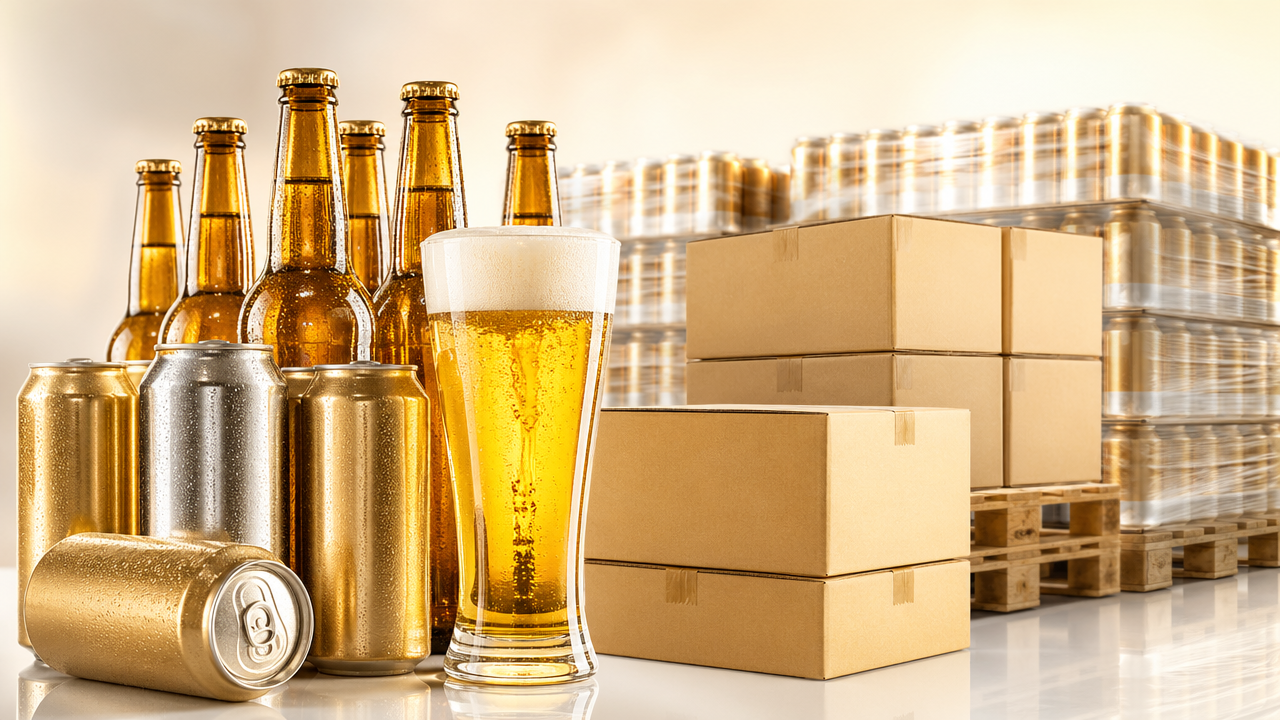
Choosing the right lager beer supplier for supermarket shelves means balancing quality, price, compliance and supply stability. As a Chinese beer factory and beer manufacturer China buyers can rely on, Jinpai Beer supports supermarkets, distributors and brand owners with bulk beer supply, private label beer production and flexible craft beer OEM China solutions for competitive retail growth.
For procurement teams, retail category managers, distributors, and business decision-makers, lager sourcing is not only about taste. It also involves shelf turnover, packaging suitability, labeling compliance, lead time control, and margin protection across different retail channels. A supplier that looks competitive on unit price alone may create hidden costs through unstable delivery, inconsistent flavor, or incomplete export documentation.
In the supermarket beverage segment, lager beer often competes in a high-frequency purchase environment where consumers compare price, alcohol content, can design, calorie profile, and brand story within seconds. That makes supplier selection a strategic decision. The right manufacturing partner can help retailers improve assortment planning, reduce stock risk, and launch differentiated SKUs faster.
What Supermarkets Need From a Reliable Lager Beer Supplier
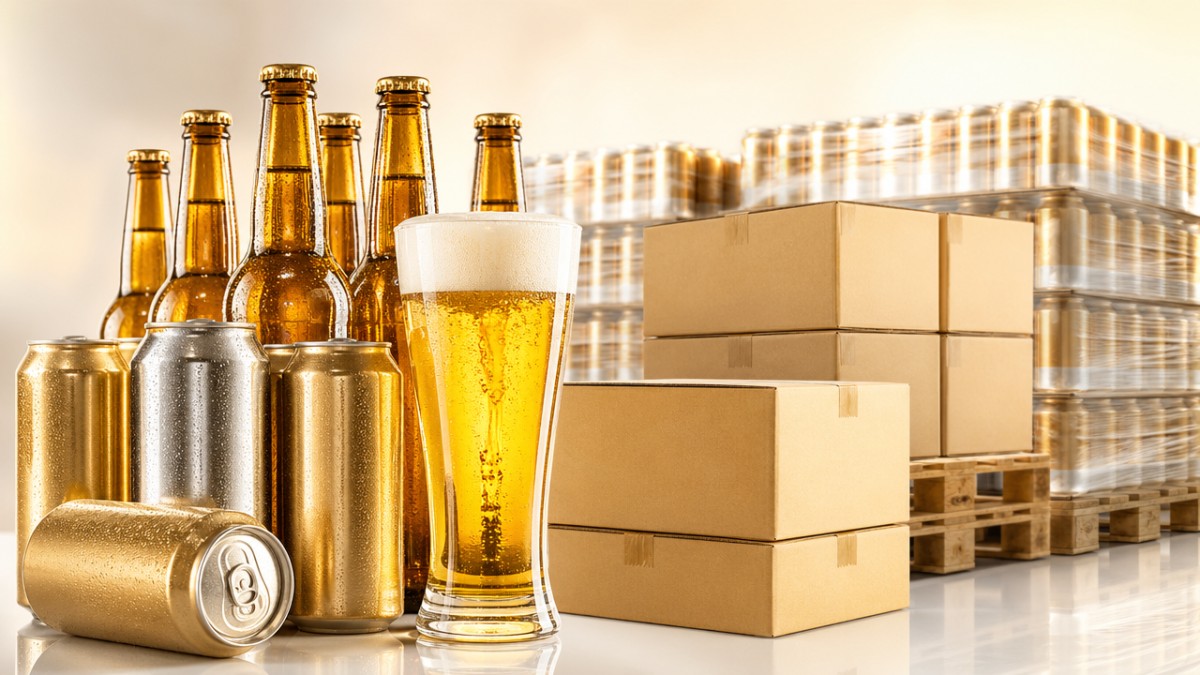
A supermarket-ready lager beer supplier should deliver more than beer in bulk. The supplier should be able to support consistent production, stable packaging specifications, and clear product positioning for mainstream, premium, and health-conscious segments. In many retail projects, buyers assess at least 4 core factors: product quality, compliance readiness, supply continuity, and commercial flexibility.
For large retail chains, consistency across batches matters because repeat purchase depends on predictable taste and appearance. Even small differences in carbonation, bitterness, or color can affect customer perception. A practical supplier should therefore maintain stable brewing controls across multiple production cycles, especially for orders repeated every 30 to 90 days.
Packaging capability is also crucial. Supermarkets commonly require 330 ml, 500 ml, and 1 L retail formats, while some private label programs may request mixed can and bottle options in the same procurement cycle. A beer manufacturer that can coordinate carton printing, barcode placement, and multilingual labels will reduce launch delays and rework costs.
Jinpai Beer operates across R&D, production, and global distribution of craft beer and retail-oriented beer products. That makes it easier for supermarkets, importers, and distributors to consolidate classic lager, wheat beer, fruit-flavored beer, and low-calorie lines under one supply framework instead of managing 3 to 5 different factories.
Key operational expectations in supermarket procurement
- Stable lead times, often within 15 to 35 days depending on packaging complexity and destination market.
- Clear MOQ structure for trial orders, seasonal promotions, and container-based repeat orders.
- Retail-compliant packaging with readable nutrition panels, barcode integration, and country-specific label adaptation.
- Product portfolio depth, allowing retailers to build entry-level, premium, and trend-driven beer categories.
The table below shows how supermarket buyers typically compare supplier capability during the initial screening stage.
The takeaway is simple: a qualified lager beer supplier for supermarkets must combine production reliability with retail understanding. A good factory should help buyers reduce operational friction, not just offer a competitive quotation.
How to Evaluate Product Quality, Compliance, and Retail Fit
Beer quality for supermarkets should be evaluated through a commercial lens. Buyers usually focus on sensory stability, packaging integrity, shelf life suitability, and portfolio relevance for target shoppers. In practical terms, it is useful to review samples from at least 2 production batches, not just one, because batch-to-batch stability is often where weak suppliers are exposed.
A standard lager range may need to meet mainstream consumer preferences with moderate bitterness, clean finish, and easy-drinking character. But modern retail trends are broader than that. Many chains now want sugar-free, low-calorie, fruit-flavored, and functional variants to attract younger shoppers and wellness-focused consumers. This is where a diversified manufacturer can provide stronger category-building value.
For example, supermarkets that want to expand beyond conventional lager can test a niche retail SKU such as Sugar-Free Low-Calorie Beer. This type of product may suit urban stores, premium convenience formats, and health-oriented beverage sections where lower-calorie alcohol options are gaining attention. The key is to position it as part of an assortment strategy rather than as a single experimental listing.
Compliance review should include ingredient declaration, alcohol content statement, net content accuracy, outer carton marks, and destination-language label adaptation. While exact requirements differ by market, buyers should verify early whether the supplier can support label updates within 7 to 10 working days and coordinate final artwork confirmation before mass production.
H3: Quality checkpoints before placing a bulk order
H4: Product and packaging review items
- Taste and appearance: assess clarity, head retention, aroma, and drinkability after chilled storage.
- Fill consistency: check net content tolerance across random units from the same batch.
- Transit durability: test carton compression and can or bottle surface resistance during pallet handling.
- Shelf-readiness: verify barcode position, front-label readability, and promotional sticker compatibility.
The following comparison table can help procurement teams structure their tasting and technical review more efficiently.
The best supermarket beer programs combine quality screening with commercial mapping. This helps buyers avoid listing products that may taste good but do not fit the intended price segment, packaging format, or shopper profile.
Pricing, MOQ, and Supply Stability in Bulk Beer Procurement
In supermarket sourcing, the lowest quoted price is rarely the lowest total cost. Buyers should assess landed value across product cost, packaging cost, shipping efficiency, replenishment flexibility, and inventory risk. A cheaper lager can become expensive if it arrives late, needs label rework, or fails to move at expected shelf speed.
MOQ is another key variable. For new product introductions, many supermarkets and distributors prefer trial quantities before committing to a full seasonal program. A supplier that can support phased ordering, such as sample review, pilot order, and repeat container plan, gives buyers more room to test demand without overloading warehouse space.
Supply stability becomes even more important around promotional windows, holidays, and multi-store rollouts. If a product expands from 20 stores to 200 stores within one quarter, replenishment discipline matters more than the original launch price. Retailers should ask how the supplier handles forecast changes, packaging material replenishment, and production scheduling during peak months.
Jinpai Beer supports wholesale supply, OEM/ODM projects, and customized beer solutions for supermarkets, bars, restaurants, distributors, and private label owners. This kind of integrated service is valuable when buyers want one partner to manage formulation, packaging adaptation, and repeated export shipments instead of splitting responsibility across separate vendors.
How buyers can compare commercial terms
- Review MOQ by SKU and packaging type, especially when launching 2 to 4 new products at the same time.
- Check whether pricing changes with carton design complexity, can size, or custom tray configuration.
- Ask for realistic lead time ranges for repeat orders, not only first-order estimates.
- Confirm how the supplier manages urgent replenishment or seasonal spikes.
The table below highlights common trade-off areas that affect total procurement performance.
When procurement teams compare offers this way, price becomes one component of a larger decision model. The stronger choice is usually the supplier that protects retail continuity while still supporting margin targets.
Private Label, OEM/ODM, and Assortment Strategy for Retail Growth
Private label lager and custom beer programs are increasingly important for supermarkets that want stronger price control and exclusive shelf identity. Instead of competing only on nationally available beer brands, retailers can use OEM or ODM supply to create a differentiated assortment with better category ownership and less direct price comparison.
A practical OEM strategy usually starts with 3 decisions: target consumer group, retail price band, and packaging concept. For example, an entry-level lager may prioritize mass appeal and fast turnover, while a premium wheat or fruit beer line may target gift demand, urban convenience shoppers, or imported-beer enthusiasts. Each route requires different positioning, graphics, and promotional language.
Jinpai Beer’s portfolio covers classic lager, German wheat, fruit-flavored beer, functional specialty beers, and reduced-calorie options. This breadth allows retailers and distributors to build multi-tier assortments instead of relying on a single beer style. In stores where shopper preferences are diverse, a 4 to 6 SKU program often performs better than a one-style listing because it captures more occasions and spending levels.
OEM/ODM also matters for distributors serving different downstream channels. A distributor may need one packaging design for supermarket chains, another for bars, and another for e-commerce bundles. Working with a factory that can manage packaging customization without disrupting product consistency gives channel partners more commercial agility.
A simple 5-step private label implementation path
- Define category goal: margin improvement, exclusive brand building, or trend-based assortment expansion.
- Select product profile: classic lager, wheat beer, fruit variant, or health-positioned option.
- Confirm packaging format: 330 ml can, 500 ml can, bottle pack, or mixed promotional carton.
- Approve label and artwork after compliance review for the target market.
- Launch pilot order, monitor 6 to 12 weeks of sell-through, then adjust the replenishment plan.
For buyers exploring wellness-oriented beer shelves, Sugar-Free Low-Calorie Beer can be used as a traffic-building SKU in premium or younger-consumer channels. It works best when paired with clear shelf messaging and an assortment plan that explains why it sits alongside conventional lager rather than replacing it.
The main advantage of OEM/ODM cooperation is not customization alone. It is the ability to turn market insight into a retail-ready beer line with practical control over taste, image, package structure, and replenishment rhythm.
Common Risks, FAQ, and Final Buying Advice
Even experienced buyers can make avoidable mistakes when selecting a lager beer supplier for supermarket business. One common issue is evaluating samples in isolation without reviewing batch stability or shipment suitability. Another is underestimating the time needed for packaging confirmation, especially when multiple language versions or retail barcode rules are involved.
A second risk is building the beer range based only on product enthusiasm instead of actual retail role. Not every good beer is right for every shelf. Supermarkets should define whether the product is intended for high-volume daily sale, premium image building, seasonal promotion, or health-focused shopper attraction. This reduces the chance of mismatched pricing and slow turnover.
The third risk is weak communication between procurement, marketing, and logistics teams. A successful beer listing often requires at least 3 aligned workflows: commercial terms, packaging approval, and replenishment scheduling. If any of these is delayed by 1 to 2 weeks, the launch window can be missed.
FAQ: How long does a supermarket beer sourcing cycle usually take?
A realistic cycle can range from 3 to 8 weeks depending on whether the order is for an existing product or a private label launch. Sampling and tasting may take 1 to 2 weeks, artwork and compliance review another 1 to 2 weeks, and production plus shipment preparation often 2 to 4 weeks.
FAQ: What should distributors prioritize when choosing a beer manufacturer in China?
Distributors should prioritize portfolio range, production reliability, packaging flexibility, and export communication efficiency. If the supplier can support both standard lager and specialty lines, it becomes easier to serve multiple channels without duplicating sourcing effort.
FAQ: Is private label beer suitable for small and mid-sized supermarket groups?
Yes, especially when the retailer wants exclusive products without developing a full in-house brand system from scratch. A phased launch using 1 to 3 SKUs is often more manageable than a broad first release, because it gives the buyer time to track sell-through and adjust packaging or flavor direction.
Final buying checklist
- Request multi-batch samples and compare taste consistency.
- Review packaging fit for shelf display, pallet handling, and transit protection.
- Confirm realistic lead times and reorder planning for peak demand periods.
- Match each SKU to a clear channel role and consumer segment.
- Choose a supplier that can support both standard products and custom development.
Selecting a lager beer supplier for supermarket sales is ultimately a business decision that combines product performance, operational reliability, and retail positioning. Jinpai Beer offers broad beer category coverage, OEM/ODM support, wholesale supply, and customized cooperation for supermarkets, distributors, agents, and brand owners seeking practical growth in global retail channels.
If you are planning a new supermarket listing, optimizing an existing beer assortment, or developing a private label beer line, now is the right time to review your sourcing strategy. Contact us to discuss product details, request samples, or get a tailored beer supply solution for your market.
Thank you very much for writing to us. Please leave your message and contact information, we will reply to you within 24 hours.