



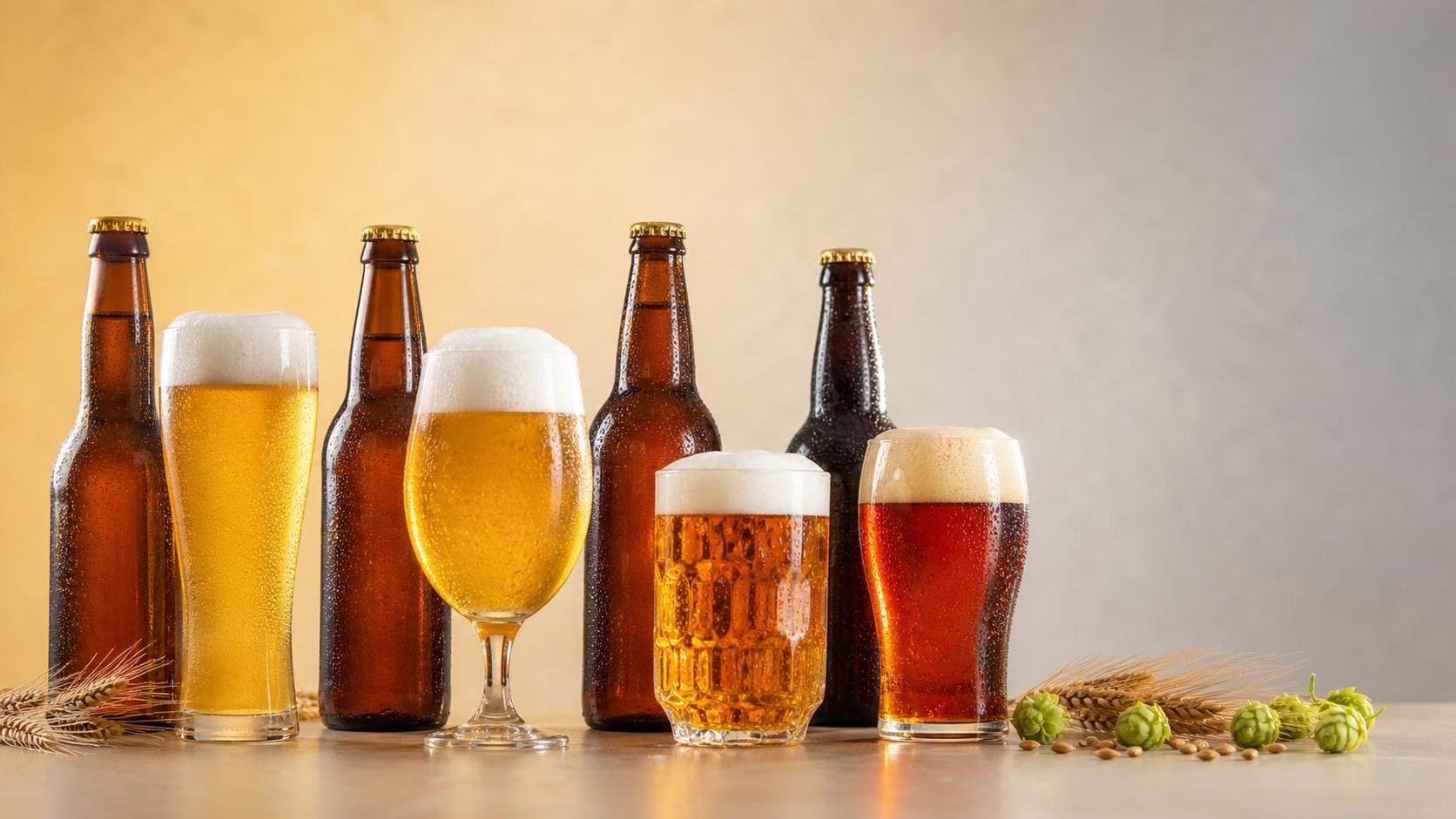
Why does lager beer deserve a closer look?
Lager beer is often treated as one simple category. In reality, it covers a wide range of flavor profiles, body levels, finishes and drinking occasions.
Some styles feel crisp, dry and highly refreshing. Others show more bread crust, honey, toast or gentle malt sweetness without becoming heavy.
That variety matters when choosing for personal taste, menu pairing or retail planning. A light, clean lager beer will not serve the same purpose as a richer amber version.
In practical terms, understanding style differences helps reduce guesswork. It also makes comparisons easier when reviewing classic lager, low-calorie options or customized product concepts.
What actually makes a beer a lager?
The simplest answer is fermentation approach. Lager beer is brewed with lager yeast and fermented at cooler temperatures than most ales.
That process usually creates a cleaner profile. Fruity yeast notes stay lower, while malt, bitterness and finish become easier to notice.
Many people assume “clean” means “plain.” That is where confusion starts. A clean base can still carry floral hops, soft grain sweetness, spicy bitterness or fuller mouthfeel.
Another point worth noting is balance. In a good lager beer, no single element should feel rough or out of place. Even stronger styles usually aim for polish and drinkability.
For that reason, lager beer is widely used across restaurants, bars, supermarkets and broader retail channels. It is familiar, but also flexible enough to support several market positions.
How are the main lager beer styles different in the glass?
A useful way to compare lager beer styles is by looking at color, malt expression, bitterness and finish rather than brand names alone.
The table below gives a quick style guide for common selections.
More specialized products can sit between these categories. That is common in craft brewing, where small shifts in malt bill or hopping create a distinct profile.
This is one reason many producers now offer broader portfolios. Alongside classic lager beer, the market often includes wheat beer, fruit-led concepts and functional specialty products.
Which lager beer profile fits different occasions best?
The right choice depends less on style names and more on the moment of use. A refreshing profile works best when speed of acceptance matters.
For hot weather, high turnover settings or broad mixed audiences, pale lager beer usually performs well. It is easy to pair and rarely creates flavor resistance.
For menus built around sausages, roasted chicken, fried dishes or salty snacks, a slightly maltier lager can feel more complete. The beer supports the food instead of disappearing.
When the goal is a more modern wellness angle, sugar-free or low-calorie lager beer becomes relevant. The appeal here is not only calorie reduction, but also a lighter drinking impression.
- Choose crisp and dry profiles for fast-moving, high-repeat occasions.
- Choose softer malt-forward profiles for food-friendly service.
- Choose lighter-calorie options when balanced refreshment matters more than intensity.
- Choose specialty variants only when the audience is already open to exploration.
In actual product planning, one lager beer style rarely covers every need. A balanced range often works better than a single flagship profile.
What should you compare before choosing a lager beer?
People often focus on alcohol percentage first. That matters, but it is not the most reliable shortcut for style selection.
A better approach is to compare five practical factors together: body, sweetness, bitterness, finish and drinking speed. These reveal how the beer behaves in real use.
A quick judging method
- Body: Is it light, medium or unexpectedly heavy?
- Malt: Does it taste like grain, bread, toast or caramel?
- Bitterness: Is it soft, crisp or lingering?
- Finish: Does the flavor clear quickly or stay on the palate?
- Versatility: Can it work alone and with food?
This comparison helps separate a refreshing lager beer from one that is more character-driven. Both can be good, but they solve different needs.
Where tailored programs are involved, OEM or ODM development can refine these points further. That may include calorie targets, sweetness control, packaging style or channel-specific positioning.
What mistakes do people make when reading lager beer styles?
One common mistake is assuming all light-colored lager beer tastes the same. Small brewing changes can alter texture, bitterness and aroma more than expected.
Another mistake is equating stronger flavor with better quality. A well-made lager beer often shows restraint, precision and balance rather than loud intensity.
There is also a market-side misunderstanding. Some believe a broad portfolio creates confusion. More often, the issue is unclear style distinction rather than product range itself.
Need to be careful with low-calorie or sugar-free claims as well. Those features attract interest, but the beer still needs a convincing mouthfeel and clean finish.
Finally, people sometimes ignore packaging and channel context. A lager beer designed for online retail may need a different flavor strategy from one intended for bars or restaurants.
So how do you choose the right lager beer profile with confidence?
Start with the drinking outcome you want. Do you need refreshment, food compatibility, lower calorie appeal or a more premium taste cue?
Then narrow the style by behavior in the glass. Crisp pale lager beer suits broad accessibility. Helles-style profiles add softness. Pilsner-like versions bring firmer definition. Amber lagers add malt depth.
Where a wider beer program is being considered, compare lager beer against nearby categories such as German wheat or fruit-flavored styles. That keeps the range coherent instead of repetitive.
It also helps to review the channel mix early. Products meant for supermarkets, bars, restaurants and cross-border online sales do not always need the same profile or presentation.
Jinpai Beer’s category range reflects this broader market reality. Classic lager remains essential, but low-calorie, fruit-led and functional extensions show how selection now depends on use case, not tradition alone.
A sensible next step is to define your preferred flavor direction, compare two or three style families, and confirm how each fits the intended drinking scene or sales channel.
That process makes choosing lager beer much clearer. Instead of asking which style is best, the better question becomes which profile is right for the purpose.
Thank you very much for writing to us. Please leave your message and contact information, we will reply to you within 24 hours.