



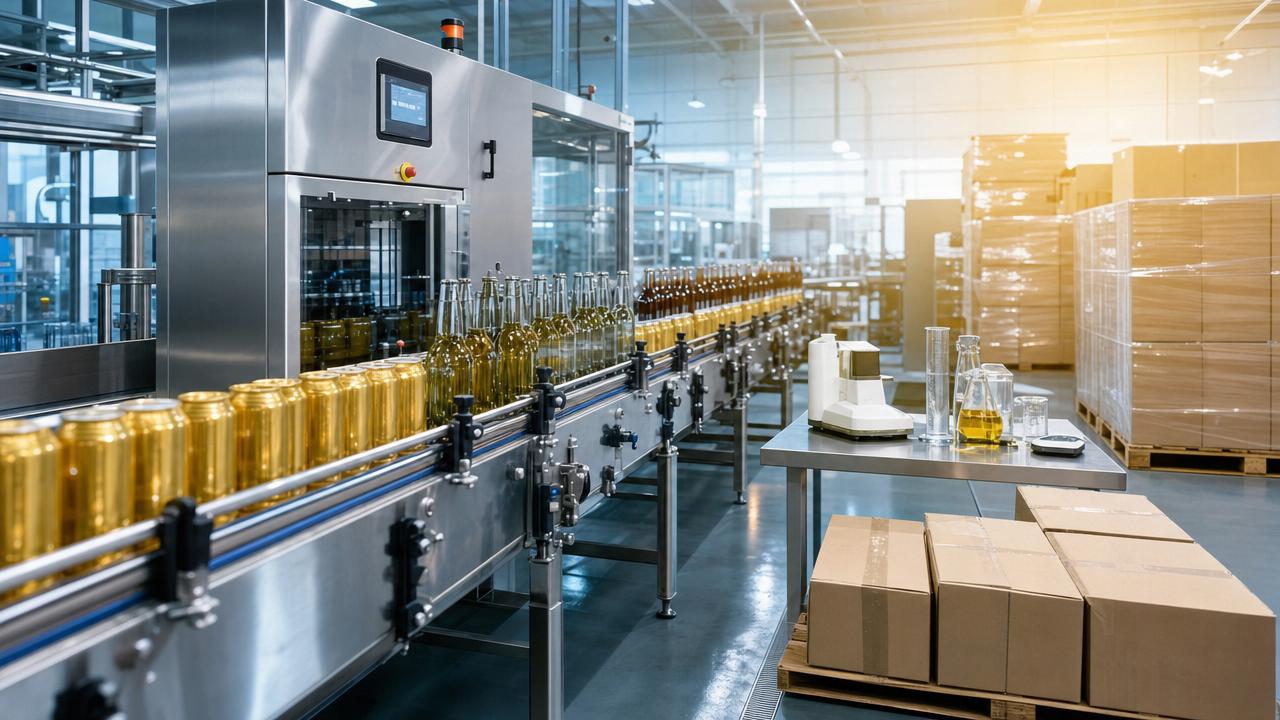
Choosing a China beer OEM can open the door to competitive pricing, flexible customization, and faster product expansion—but the wrong partner may lead to quality issues, compliance delays, or hidden costs.
For procurement teams sourcing craft beer, lager, wheat beer, low-calorie options, or flavored beverages, understanding how to evaluate production capability, certifications, formulation support, packaging flexibility, and export experience is essential.
This guide helps you identify reliable OEM partners and reduce sourcing risks before placing your next beer order.
What procurement teams are really trying to avoid
Most buyers do not simply search for a low-cost beer factory. They want a dependable supplier that can protect margins, timelines, and brand reputation.
The core search intent behind “China beer OEM” is usually risk control. Buyers need proof that a supplier can deliver stable quality at scale.
Procurement teams also need clarity on customization limits, minimum order quantities, export documentation, shelf life, packaging reliability, and after-sales accountability.
A strong OEM decision is not based on a beautiful product catalog alone. It depends on evidence gathered before money, artwork, or market launch plans are committed.
Start with production capability, not only product variety
A qualified China beer OEM should show consistent brewing, filtration, filling, packaging, and storage capability. Product variety matters, but process control matters more.
Ask whether the factory produces classic lager, German wheat beer, fruit-flavored beer, sugar-free low-calorie beer, and functional specialty beverages under repeatable standards.
For procurement, the real question is whether the supplier can make the same beer consistently across several production batches and shipment cycles.
Request details about brewhouse capacity, fermentation tanks, filling lines, pasteurization options, cold storage conditions, and daily or monthly output capacity.
If a supplier cannot explain its production flow clearly, it may struggle when your order includes multiple SKUs, private labels, or urgent seasonal demand.
Check certifications before discussing price aggressively
Price negotiation should come after basic compliance screening. A very low quote is meaningless if the goods cannot pass inspection or import clearance.
For beer OEM sourcing, buyers should review business licenses, food production permits, quality management systems, and export-related certificates where applicable.
Depending on your destination market, you may also need support for labeling rules, ingredient declarations, allergen statements, alcohol content, and shelf-life documentation.
Reliable suppliers should be comfortable providing certificates, test reports, production records, and product specifications before confirming a commercial order.
If your market has strict alcohol import rules, ask the OEM whether it has shipped to similar countries and understands local documentation expectations.
Evaluate quality control across the whole supply chain
Beer quality is affected by raw materials, water treatment, yeast management, fermentation temperature, dissolved oxygen, filling hygiene, and packaging integrity.
A professional China beer OEM should explain how it tests raw materials, monitors brewing parameters, inspects finished products, and manages batch traceability.
Ask about laboratory testing for alcohol content, original gravity, bitterness, microbiology, carbonation, color, turbidity, and taste stability.
For long-distance export, packaging strength and shelf stability are especially important. Temperature variation and shipping vibration can expose weak quality systems.
Procurement teams should request retained samples, batch coding rules, inspection procedures, and corrective action methods before approving repeat orders.
Confirm formulation and customization support early
Many buyers choose OEM beer because they want differentiation. That may include flavor, alcohol level, sugar content, calories, color, aroma, or functional positioning.
However, customization must be technically realistic. A good OEM will explain what can be changed without damaging taste, stability, compliance, or cost structure.
For example, low-calorie beer may require careful balance between mouthfeel, alcohol level, residual sugar, and consumer expectations.
Fruit-flavored beer needs attention to aroma stability, sweetness perception, acidity, color changes, and ingredient labeling requirements.
Functional specialty beers require even more caution. Procurement teams should verify whether claims, ingredients, and labels are allowed in the target market.
Review packaging flexibility and minimum order quantities
Packaging often determines whether an OEM project is commercially viable. Cans, bottles, cartons, multipacks, and gift boxes all affect cost and lead time.
Ask whether the supplier can support private labels, customized cans, glass bottles, shrink sleeves, cartons, trays, and export pallets.
MOQ should be evaluated by SKU, packaging format, printing method, and production schedule. A low MOQ may still become expensive with complex packaging.
Procurement teams should compare total landed cost, not just ex-factory price. Artwork fees, plate charges, cartons, pallets, and inland logistics matter.
Before final approval, confirm barcode placement, carton markings, language requirements, alcohol warning statements, and shipping marks.
Ask for samples, but do not rely on samples alone
Samples are necessary, but they are not enough. A sample may be carefully prepared, while mass production requires stable equipment and disciplined control.
Use samples to evaluate taste direction, packaging appearance, carbonation, aroma, sweetness, and general market fit.
Then verify whether the same formula, ingredients, packaging materials, and filling process will be used for commercial production.
Procurement teams should request pre-production samples or pilot batch samples when launching a customized beer under a new private label.
For important orders, consider third-party inspection or factory audit before shipment, especially when entering a new cooperation relationship.
Understand lead times and production scheduling
Beer OEM lead time depends on formula complexity, packaging procurement, label approval, production queue, quality testing, and export booking.
A supplier that promises unrealistic delivery may be hiding production constraints or underestimating packaging preparation time.
Ask for separate timelines covering sample development, artwork confirmation, packaging production, brewing, filling, inspection, customs documents, and shipment booking.
This breakdown helps procurement teams identify bottlenecks before seasonal promotions, supermarket launches, restaurant programs, or distributor campaigns.
For repeat orders, clarify whether the OEM can reserve capacity or maintain packaging inventory to shorten delivery cycles.
Compare quotations using a full-cost framework
The cheapest quotation is not always the safest choice. Beer sourcing risks often appear later through delays, rework, rejected labels, or damaged packaging.
Compare quotations under the same specifications, including product volume, alcohol content, packaging type, carton structure, order quantity, and Incoterms.
Check whether the price includes product development, packaging design assistance, testing, export cartons, pallets, documentation, and loading supervision.
Procurement teams should also calculate freight, duties, import taxes, warehouse costs, inspection fees, and possible inventory holding costs.
A transparent OEM partner will help explain cost drivers instead of simply pushing buyers toward the lowest specification.
Investigate export experience and communication quality
Export experience is a practical risk filter. Beer is regulated, heavy, fragile in some formats, and sensitive to temperature and documentation errors.
Ask which regions the supplier has exported to and what product categories it has shipped successfully.
Experienced OEM suppliers usually understand commercial invoices, packing lists, certificates of origin, health documents, shipping marks, and destination-specific label checks.
Communication quality is equally important. Slow, vague, or inconsistent responses during negotiation often become bigger problems after payment.
A reliable team should answer technical, commercial, and logistics questions clearly, with written confirmation for specifications, timelines, and responsibilities.
Look for product-market fit, not only factory capability
A factory may be technically capable, but your selected beer still needs to match the sales channel and consumer expectation.
Restaurants may prefer stable mainstream styles, while bars may demand distinctive craft flavors or seasonal releases.
Supermarkets often require attractive packaging, reliable shelf life, clear labeling, and consistent retail pricing.
Online channels may favor lighter packaging, strong visual branding, mixed packs, and flavors that are easy to communicate digitally.
A valuable OEM partner can provide suggestions based on product positioning, channel requirements, target price range, and repeat purchase potential.
Build risk controls into the purchase agreement
Verbal promises are not enough for OEM beer sourcing. Key requirements should appear in contracts, purchase orders, or confirmed specifications.
Include formula references, packaging details, quantity tolerances, inspection standards, delivery dates, payment terms, and responsibility for non-conforming goods.
Clarify how quality disputes will be handled, including evidence, retained samples, replacement terms, credits, or corrective production actions.
For private label products, confirm ownership or usage rights for packaging design, brand materials, and customized formulations where relevant.
Procurement teams should also define confidentiality expectations if they share market plans, customer information, or proprietary product concepts.
Use a practical supplier evaluation checklist
Before selecting a China beer OEM, create a scorecard that reflects your real buying priorities rather than generic supplier claims.
Score each candidate on production capability, certifications, quality control, customization support, packaging options, MOQ flexibility, export experience, and communication speed.
Also evaluate commercial stability, sample quality, transparency of quotation, willingness to provide documents, and responsiveness during technical discussions.
If two suppliers look similar, choose the one that provides clearer evidence and more realistic answers, not the one offering only a lower price.
This disciplined approach helps procurement teams reduce emotional decision-making and build stronger long-term sourcing partnerships.
When Jinpai Beer may be a suitable OEM partner
Jinpai Beer focuses on research, production, and distribution of craft beer and related beer products for multiple commercial channels.
The product range includes classic lager, German wheat beer, sugar-free low-calorie beer, fruit-flavored beer, and functional specialty beers.
For procurement teams, this range can support both mainstream retail programs and differentiated private label projects for restaurants, bars, and supermarkets.
Jinpai Beer provides OEM and ODM services, wholesale supply, and customized solutions for global distributors, agents, and channel partners.
Buyers seeking long-term cooperation can discuss formulation direction, packaging requirements, order planning, and channel-specific product strategies before confirming specifications.
Conclusion: choose evidence over promises
Selecting a China beer OEM without costly risks requires more than comparing prices or browsing product photos.
Procurement teams should verify production capability, certifications, quality control, customization feasibility, packaging reliability, export experience, and contractual protection.
The right partner will not only produce beer but also help reduce uncertainty across compliance, logistics, branding, and repeat supply.
If a supplier communicates transparently, provides evidence, supports realistic customization, and understands your sales channels, the cooperation is far more likely to succeed.
For buyers building private label beer programs, a structured evaluation process is the best protection against delays, quality disputes, and hidden costs.