



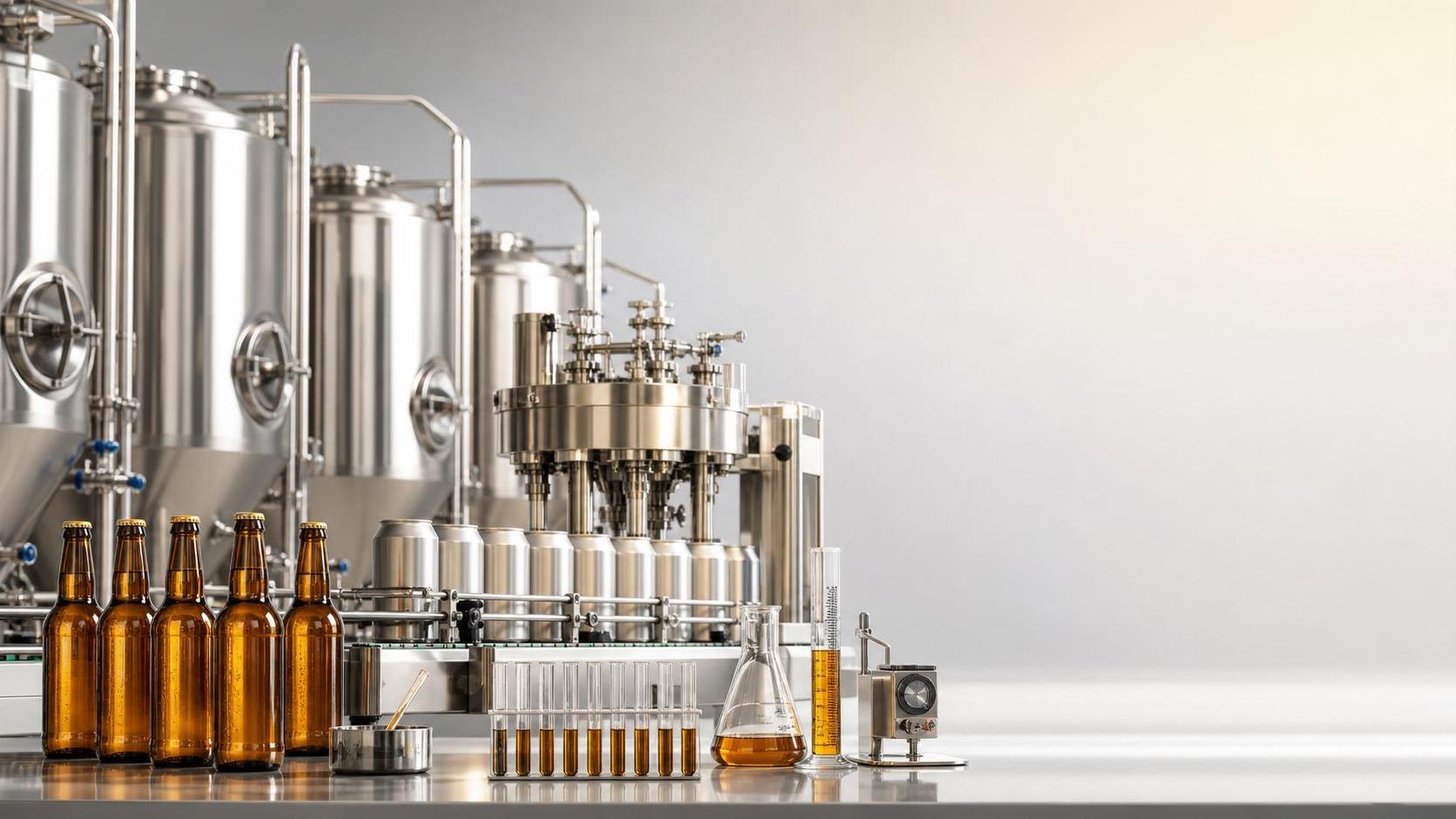
Choosing a Chinese beer factory is rarely just about finding the lowest quote. In beer sourcing, quality consistency, recipe control, packaging flexibility and delivery reliability all shape margin, brand reputation and market speed. That is why evaluating a Chinese beer factory before placing orders matters far more than comparing unit prices alone. A capable partner can support product development, compliance and channel growth, while a weak one can create delays, unstable taste and expensive corrections.
What evaluation really means in beer sourcing
A useful evaluation goes beyond a factory profile or a product catalog. It looks at whether the supplier can repeatedly produce the beer you need, in the format you need, under the standards your market expects.
In practice, a Chinese beer factory should be reviewed as both a production site and a business system. Brewing expertise matters, but so do documentation, communication, lead times and problem-solving discipline.
This is especially relevant in the beverage sector, where shelf life, taste stability and packaging integrity directly affect retail performance. Small errors at factory level can quickly become visible in bars, supermarkets and e-commerce channels.
Why the Chinese beer supply market deserves closer attention
China has become an important production base for beer and beverage manufacturing. The market includes large industrial breweries, export-oriented craft beer producers and factories focused on private label development.
That range creates opportunities, but also uneven capability. Two suppliers may both present similar product lists, yet differ sharply in fermentation control, filling accuracy, export experience or ingredient traceability.
More buyers now seek differentiated products instead of standard lager alone. Demand includes German wheat beer, sugar-free low-calorie beer, fruit beer and functional specialty beer. A Chinese beer factory must therefore show not only scale, but product adaptability.
This is where suppliers with active R&D and OEM or ODM experience become more valuable. They are usually better prepared to adjust flavor, alcohol level, sweetness, packaging design and channel-specific product positioning.
Start with production capability, not marketing claims
The first question is simple: can the factory produce your required beer style at stable quality over time? A catalog proves availability, but not execution.
Look at brewhouse size, fermentation tank capacity, filtration options and filling lines. These affect batch consistency, output planning and whether trial orders can scale into repeat business.
Ask how the factory manages seasonality and mixed orders. A supplier serving both domestic and export channels may face scheduling pressure during peak periods.
It is also worth checking packaging flexibility. Cans, bottles and keg solutions serve different markets. If the Chinese beer factory supports multiple specifications, it can better match restaurants, bars, retail shelves and online distribution.
Useful production checks
- Brewing capacity versus your forecasted annual volume
- Batch minimums for OEM and private label projects
- Packaging formats, carton options and labeling flexibility
- Lead times for first order, repeat order and seasonal rush periods
- Cold chain or storage recommendations after production
Quality systems reveal how reliable the factory really is
In beer manufacturing, consistent taste depends on disciplined process control. A Chinese beer factory should be able to explain how it monitors raw materials, fermentation, microbiological safety and finished product stability.
Certifications matter, but they are only part of the picture. It is better to combine certificate review with practical questions about testing routines, retention samples and corrective action records.
Ask for laboratory capability details. A supplier that performs gravity testing, bitterness checks, alcohol verification and microbial testing is easier to trust than one relying only on final visual inspection.
Shelf life data is also important. For export markets, transit time can consume a meaningful share of product life. Stability under shipping and storage conditions should be validated, not assumed.
R&D strength matters when the market is not standard
Many sourcing projects now involve more than copying an existing SKU. Brands often need flavor adjustments, health-oriented positioning, or packaging tailored to a specific channel.
A Chinese beer factory with real R&D capability can shorten development cycles and reduce reformulation risk. This is valuable for low-calorie beer, sugar-free variants, fruit-flavored beer and functional products with more complex formulation targets.
Ask how samples are developed and approved. The best suppliers usually provide a clear path from concept to pilot batch to mass production, with sensory review and formula adjustment in between.
For example, a company such as Jinpai Beer, which works across classic lager, German wheat, sugar-free low-calorie beer, fruit-flavored beer and specialty beer, reflects the kind of product breadth that can support varied market needs.
OEM and ODM capability should be checked in detail
OEM and ODM are often mentioned casually, but they do not mean the same thing. One refers more to production under your specifications, while the other may include formula, concept and packaging development.
A Chinese beer factory may offer both, yet actual service depth varies. Some can only change labels. Others can support flavor design, alcohol adjustment, packaging mockups and launch planning across several retail formats.
This distinction matters when entering supermarkets, bars or online channels. Each route has different demands for carton design, can size, taste profile and pricing architecture.
Questions worth asking during OEM or ODM review
- Can recipes be customized for local taste preferences?
- What are the design approval and sampling timelines?
- Are there minimum order differences by package type?
- How are label compliance and market claims reviewed?
- Can the supplier support both trial runs and larger rollouts?
Export readiness is as important as brewing skill
A factory can make excellent beer and still be difficult to work with internationally. Export readiness includes document accuracy, shipment coordination, labeling awareness and responsiveness when issues arise.
Check whether the Chinese beer factory already serves overseas channels. Experience with online and offline distribution in different regions often means better familiarity with packaging durability, customs paperwork and timing expectations.
Communication quality is another signal. Clear answers, sample traceability and realistic lead times usually indicate operational maturity. Overpromising on every point often suggests the opposite.
It also helps to ask how the supplier handles claims or nonconforming goods. A good partner does not only ship product. It also has a workable process when something needs review or replacement.
How to compare suppliers without losing the bigger picture
Price should be compared together with yield, shelf life, defect risk and support level. A lower quotation can become more expensive if it leads to unstable quality, damaged packaging or repeated label corrections.
A practical supplier review often combines sample tasting, document review, factory audit findings and pilot order results. Each layer gives different evidence.
The table below can help structure comparison across multiple candidates.
A practical next step before placing volume orders
Before choosing a Chinese beer factory, build a short evaluation framework based on your actual route to market. Include beer style, package format, compliance needs, target price and required launch timing.
Then request evidence, not just promises. Samples, testing data, packaging details, production timelines and OEM or ODM workflows usually reveal more than a sales presentation.
Where product variety matters, look for suppliers with broad brewing experience and flexible customization options. Factories that already manage classic and specialty categories are often better positioned for long-term cooperation.
A sourcing decision becomes stronger when it is tied to clear standards. Once those standards are defined, comparing each Chinese beer factory becomes less subjective and much easier to defend in real business terms.
Thank you very much for writing to us. Please leave your message and contact information, we will reply to you within 24 hours.