



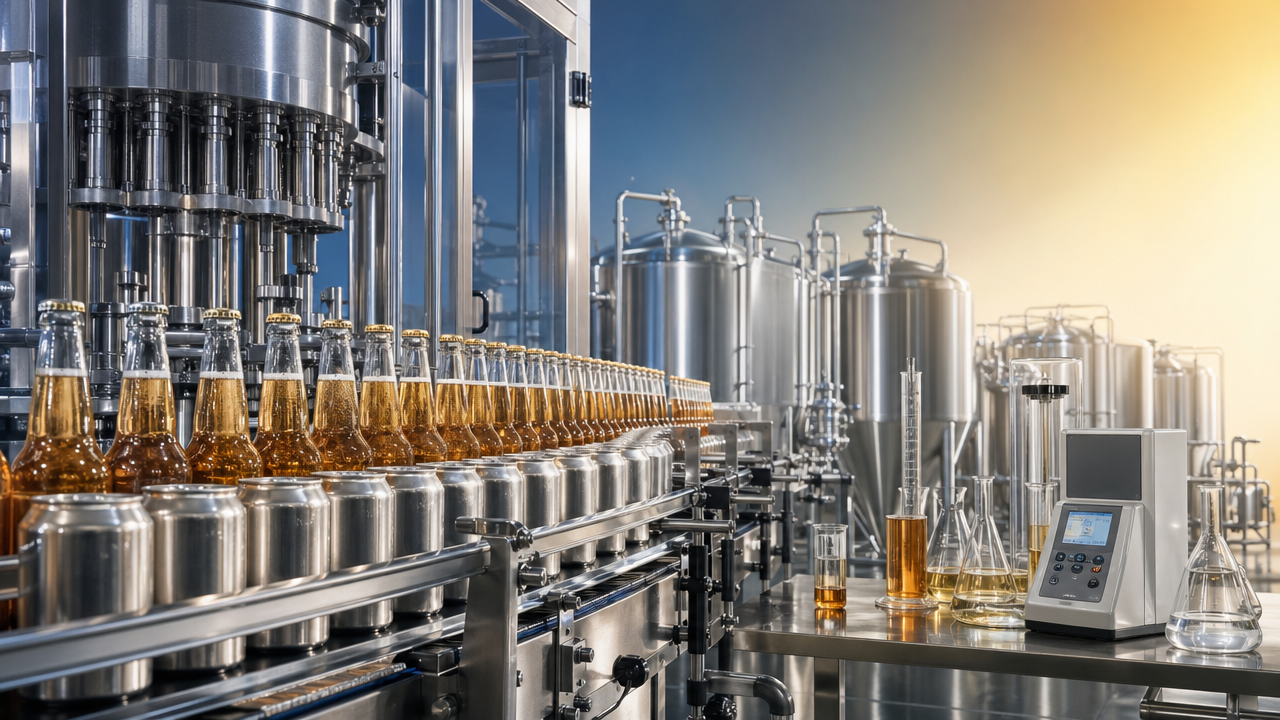
Choosing the right Chinese beer factory in 2026 is less about finding the lowest quote and more about finding a partner that can consistently deliver quality, customization, compliance and stable supply. For buyers, distributors and business decision-makers, the best beer manufacturer China option is usually the one that combines strong brewing capability, export experience, transparent quality control and flexible OEM/ODM support. If you are evaluating factories for contract brewing, private label projects or wholesale distribution, this guide will help you focus on the factors that actually affect long-term business performance.
What matters most when choosing a Chinese beer factory in 2026?
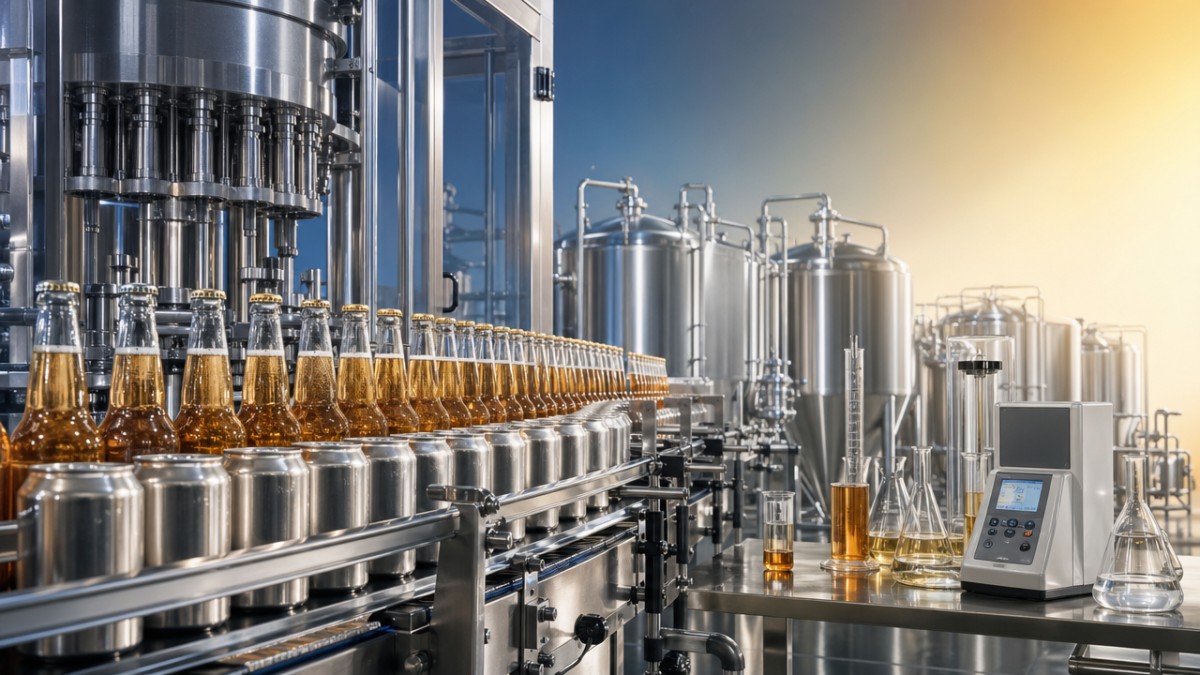
The core question is simple: can this factory help you build a reliable and profitable beer business, not just ship beer once? In 2026, the market is more competitive, buyers are more quality-sensitive, and regulatory expectations are higher across global channels. That means a suitable brewery partner should be evaluated on operational strength, not only on product catalog or unit price.
For procurement teams and decision-makers, the most important areas are:
- Consistent product quality across batches
- Production capacity and delivery reliability during peak seasons
- OEM/ODM flexibility for recipe, packaging and brand positioning
- Export and documentation capability for international markets
- Cost control without quality compromise
- Communication efficiency for sampling, revisions and order follow-up
If a factory looks attractive on paper but cannot support stable repeat orders, label compliance or new product development, it may become a risk rather than an asset.
How can buyers tell whether a brewery is truly reliable?
A reliable Chinese beer factory should be judged through evidence. Buyers should ask for detailed proof, not broad claims. This is especially important for distributors, supermarket suppliers, restaurant groups and brand owners who need long-term continuity.
Start by checking these indicators:
- Production facilities: Ask about brewing lines, fermentation tanks, canning or bottling lines, filtration systems and laboratory equipment.
- Quality management: Confirm batch testing standards, raw material inspection, microbiological control and shelf-life verification.
- Supply chain stability: Understand sourcing of malt, hops, yeast, cans, bottles and packaging materials.
- Lead times: Ask for realistic timelines for sampling, first order production and replenishment orders.
- Export history: A factory serving overseas markets usually has stronger packaging compliance and logistics coordination.
- Case experience: Look for experience serving bars, retailers, distributors and private label brands.
Factory audits, video inspections, sample testing and reference orders are all useful before making a larger commitment. For many professional buyers, the right process is to begin with samples, move to a pilot order, then scale after quality and delivery are verified.
What product and customization capabilities should you evaluate?
Not every beer factory is equally strong in product development. Some are only suitable for standard lager production, while others can support differentiated positioning for modern market demand. If your goal is brand growth, category expansion or channel-specific product strategy, customization capability becomes a major selection factor.
Important questions to ask include:
- Can the brewery develop recipes for different consumer preferences?
- Can it produce classic lager, wheat beer, fruit beer and specialty beer styles?
- Can it support low-sugar, low-calorie or functional beer concepts?
- Can packaging be customized for cans, bottles, gift sets or retail-ready formats?
- Can the team help optimize taste profile for your market?
For example, in some retail and health-conscious consumer segments, demand is growing for lighter beer options with cleaner labels and lower calorie positioning. A factory able to produce products such as Sugar-Free Low-Calorie Beer may give distributors and private label buyers a stronger competitive edge in evolving markets.
This matters because a factory should not only produce beer; it should help you align the product with channel demand, pricing strategy and consumer trends.
Why are export capability and compliance so important in 2026?
In 2026, international beer sourcing involves more than manufacturing. Documentation accuracy, labeling rules, packaging durability and logistics coordination can directly affect customs clearance, shelf readiness and brand reputation.
A qualified bulk beer supplier or private label beer manufacturer should be able to support:
- Export documentation and shipping coordination
- Label information adaptation for destination markets
- Barcode, carton mark and pallet requirements
- Packaging solutions suitable for sea or land transport
- Communication on shelf life, storage and product handling
If your target market includes supermarkets, chain retailers or online distribution, compliance errors can create delays, returns or rework costs. This is why experienced buyers often prioritize factories with international business experience over factories that only compete on low ex-works pricing.
How should procurement teams compare pricing without making costly mistakes?
Price comparison only works when the offer structure is clear. A lower quote may hide weaker raw materials, lighter filling volume, simpler packaging, unstable lead times or limited after-sales support. The better approach is to compare total business value.
When reviewing quotations, compare:
- Beer style and formula specification
- Alcohol content, extract level and ingredient standard
- Can or bottle format, carton configuration and packaging quality
- Minimum order quantity
- Sampling fee and development costs
- Production lead time
- Shipping support and loading efficiency
- Private label design and customization scope
For decision-makers, the key metric is not the cheapest unit cost. It is whether the supplier can support margin, repeatability and channel expansion. A slightly higher-priced partner with stronger quality consistency and better service often produces a lower total cost of ownership over time.
What red flags should you watch out for before signing a factory partnership?
Some risks are easy to miss during early communication, especially when buyers focus mainly on product samples or initial quotations. Before selecting a Chinese beer factory, watch for these warning signs:
- Vague answers about production capacity or quality control
- Unusually low prices without specification detail
- Slow or inconsistent communication during sampling stage
- No clear export experience for your destination market
- Inability to provide stable product documentation
- Limited flexibility in packaging or formula adjustment
- No structured process for OEM/ODM projects
These issues often become more serious after the order is placed. A factory that is disorganized during pre-sale stages may struggle even more when production schedules tighten.
What does a strong long-term brewery partner look like?
The best factory relationship is strategic rather than transactional. A strong partner understands that buyers need more than beer production. They need a supplier that supports brand development, market responsiveness and channel growth.
A capable brewery partner should be able to offer:
- A broad product range for different market segments
- OEM/ODM services for private label and custom brand projects
- Wholesale supply for large-volume distribution needs
- Recipe development support for differentiated positioning
- Stable supply for restaurants, bars, supermarkets and retail chains
This is particularly valuable when market demand changes quickly. A factory with broad R&D and production capability can help buyers move from standard products into premium, flavored or health-oriented segments, including categories like Sugar-Free Low-Calorie Beer, without changing manufacturing partners.
Final checklist for choosing a Chinese beer factory in 2026
Before making a final decision, buyers should confirm the following:
- Does the factory meet your quality expectations through tested samples?
- Can it support your required volume and delivery schedule?
- Does it have real OEM/ODM and customization capability?
- Can it handle export procedures and destination market requirements?
- Is the quotation transparent and commercially sustainable?
- Is communication efficient enough for long-term cooperation?
Choosing the right Chinese beer factory in 2026 means selecting a partner that fits your business model, target market and growth plan. The best supplier is not simply the one with the broadest catalog or lowest initial quote, but the one that can deliver dependable quality, flexible product solutions and stable cooperation over time. For buyers, distributors and business leaders, that is what creates real long-term value.
Thank you very much for writing to us. Please leave your message and contact information, we will reply to you within 24 hours.