



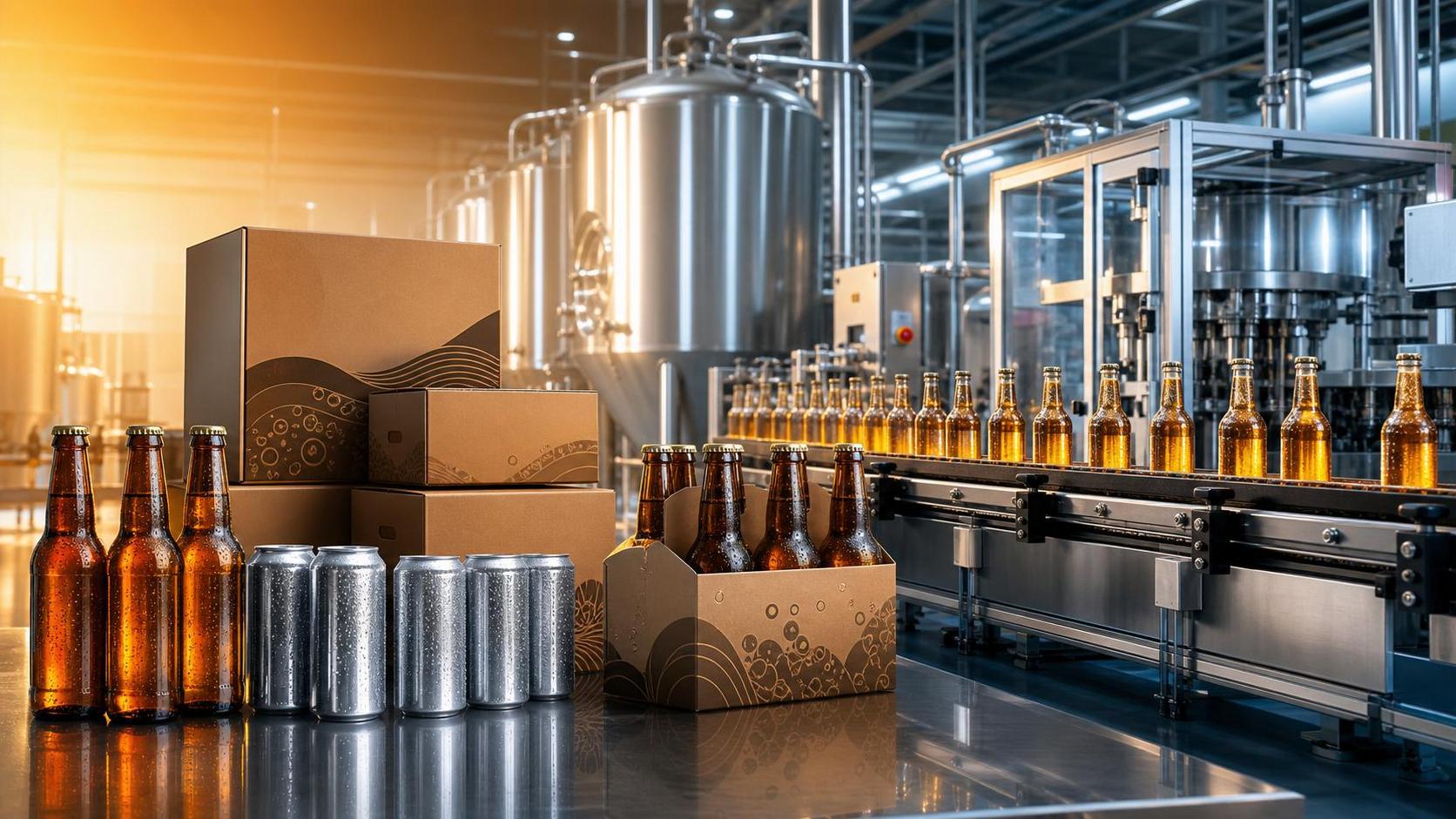
How a Chinese Beer Factory Supports Private Label Beer Projects
Launching a private label beer line takes more than brewing equipment.
It requires steady execution, clear communication, and dependable supply.
That is where a skilled Chinese beer factory becomes valuable.
A factory such as Jinpai Beer can support planning, formulation, packaging, production, and export coordination in one process.
For businesses building a private label range, this reduces delays and lowers execution risk.
It also makes it easier to scale from a trial launch to larger multi-channel distribution.
Why a Chinese Beer Factory Fits Private Label Projects
Private label beer projects move fast, especially when retail windows are fixed.
A capable Chinese beer factory helps connect concept, production, and delivery under one operational structure.
This matters when timing, flavor consistency, and packaging accuracy all need control.
In practical terms, the right partner shortens communication loops.
It also gives buyers access to broader beer styles without building their own brewing system.
- Recipe support for classic lager, German wheat, fruit beer, and functional specialty beers.
- Flexible OEM and ODM options for different market strategies.
- Better cost control through centralized production and sourcing.
- Export-ready workflows for online and offline sales channels.
More importantly, a Chinese beer factory can align product development with commercial goals, not just brewing output.
How the Project Process Usually Works
A strong private label project starts with a structured workflow.
An experienced Chinese beer factory normally supports each stage with clear checkpoints.
1. Define Product Positioning
First, the beer concept needs a clear market role.
Is it a mainstream retail lager, a bar-focused wheat beer, or a low-calorie functional option?
That decision affects recipe, packaging, volume, and pricing.
2. Develop the Recipe
Next comes flavor design and technical adjustment.
Jinpai Beer can support custom beer styles based on taste preference, alcohol level, sweetness, aroma, and target price.
This is especially useful when a brand wants local appeal with stable manufacturing standards.
3. Confirm Packaging Direction
Packaging is rarely a minor step in private label beer.
Can format, bottle type, label finish, carton design, and compliance text all affect launch readiness.
A Chinese beer factory with OEM and ODM experience can guide these decisions early.
4. Move Into Sampling and Approval
Sampling turns the concept into something testable.
This stage often includes taste feedback, packaging review, and shelf presentation checks.
Once approved, the Chinese beer factory can lock the production specification and timeline.
What Support Matters Most During Execution
Good beer is important, but project execution decides whether a launch succeeds.
This is where a reliable Chinese beer factory adds practical value.
Clear Communication
Private label projects often involve purchasing, design, sales, and logistics at the same time.
A factory that communicates clearly can prevent small issues from becoming shipping delays.
Flexible Production Planning
Demand forecasts are not always perfect.
A Chinese beer factory with broad production capability can better support launch batches, repeat orders, and seasonal adjustments.
Consistent Quality Control
Consistency builds trust in a new beer brand.
Flavor drift, fill variation, or packaging defects can quickly damage market confidence.
That is why a Chinese beer factory must combine recipe discipline with production inspection and final shipment checks.
Customization Options That Create Market Value
Private label beer works best when the product feels specific, not generic.
A professional Chinese beer factory can help shape that difference in several ways.
- Beer type selection for mass, premium, health-focused, or novelty segments.
- Flavor development for fruit-infused, low-sugar, or functional concepts.
- Alcohol and calorie adjustments for changing consumer preferences.
- Packaging formats for retail shelves, bars, restaurants, and e-commerce fulfillment.
From recent market shifts, lighter and more differentiated products are gaining attention.
That creates room for sugar-free low-calorie beer and fruit-flavored beer lines.
With the right Chinese beer factory, these ideas can move from concept to shelf with fewer operational gaps.
Common Risks and How to Reduce Them
Even promising beer projects can struggle if early risks are ignored.
Working with an experienced Chinese beer factory helps reduce those pressure points.
Risk 1: Unclear Product Brief
If positioning is vague, sampling rounds become slow and expensive.
The fix is a clear brief covering taste, pack type, quantity, channel, and price target.
Risk 2: Packaging Delays
Labels and cartons often delay beer launches more than brewing does.
A Chinese beer factory should confirm print files, materials, and approval deadlines early.
Risk 3: Weak Demand Planning
Launching too much stock creates pressure on cash flow and freshness.
Launching too little can weaken channel confidence.
This is why a phased volume plan is often the safest route.
What to Check Before Choosing a Chinese Beer Factory
Not every manufacturer can support a private label beer project smoothly.
The selection process should focus on execution strength, not only price.
- Check whether the Chinese beer factory offers OEM and ODM service.
- Review the available product range and customization depth.
- Ask about sampling steps, lead times, and export experience.
- Confirm quality control methods and packaging coordination ability.
- Evaluate communication speed and problem-solving attitude.
Jinpai Beer stands out by combining craft beer development, customized manufacturing, and global supply support.
That gives buyers one coordinated path from concept design to packaged product delivery.
A Practical Supply Partner for Long-Term Growth
A private label beer project needs more than a low-cost producer.
It needs a Chinese beer factory that can support brand building, product flexibility, and repeatable delivery.
Jinpai Beer offers that through craft beer R&D, broad product options, OEM and ODM services, and worldwide supply capability.
Whether the goal is a classic lager, a German wheat line, a low-calorie option, or a fruit-forward release, the process can be built around real market demand.
In real business settings, that kind of support makes launches more stable and future expansion more realistic.
If the next step is to develop a private label beer range, working with a proven Chinese beer factory is often the smartest way to move faster with less risk.
Thank you very much for writing to us. Please leave your message and contact information, we will reply to you within 24 hours.