



As global demand surges for authentic, regionally nuanced craft beer, brands across Asia, Europe, North America, and Latin America increasingly turn to trusted partners for full-service brewing and custom beer manufacturing. Yet behind the scenes, sensory panel bias—especially in European craft brewery settings—can dangerously skew batch approval, compromising consistency and brand integrity. Whether you're a procurement officer evaluating beer OEM/ODM options, a distributor seeking private label beer production, or a decision-maker exploring brewery outsourcing, understanding this hidden risk is critical. Jinpai Beer delivers precision-driven, science-backed custom beer manufacturing—free from subjective bias—serving restaurants, bars, supermarkets, and global partners with scalable, compliant solutions.
The Hidden Risk: How Sensory Panel Variability Impacts Batch Release
In European craft breweries, sensory evaluation remains the de facto gatekeeper for batch approval—yet panels often lack standardized calibration, training frequency, or cross-panel validation protocols. Studies show inter-panel agreement drops below 68% for subtle ester and phenol profiles in German wheat and Whole wheat lager Beer styles, increasing rejection variance by up to 32% across consecutive batches.
This inconsistency directly impacts procurement timelines: 41% of international buyers report ≥7-day delays due to retesting cycles triggered by conflicting panel verdicts. For distributors managing shelf-life-sensitive SKUs, such unpredictability erodes forecast accuracy and increases buffer stock requirements by 18–25%.
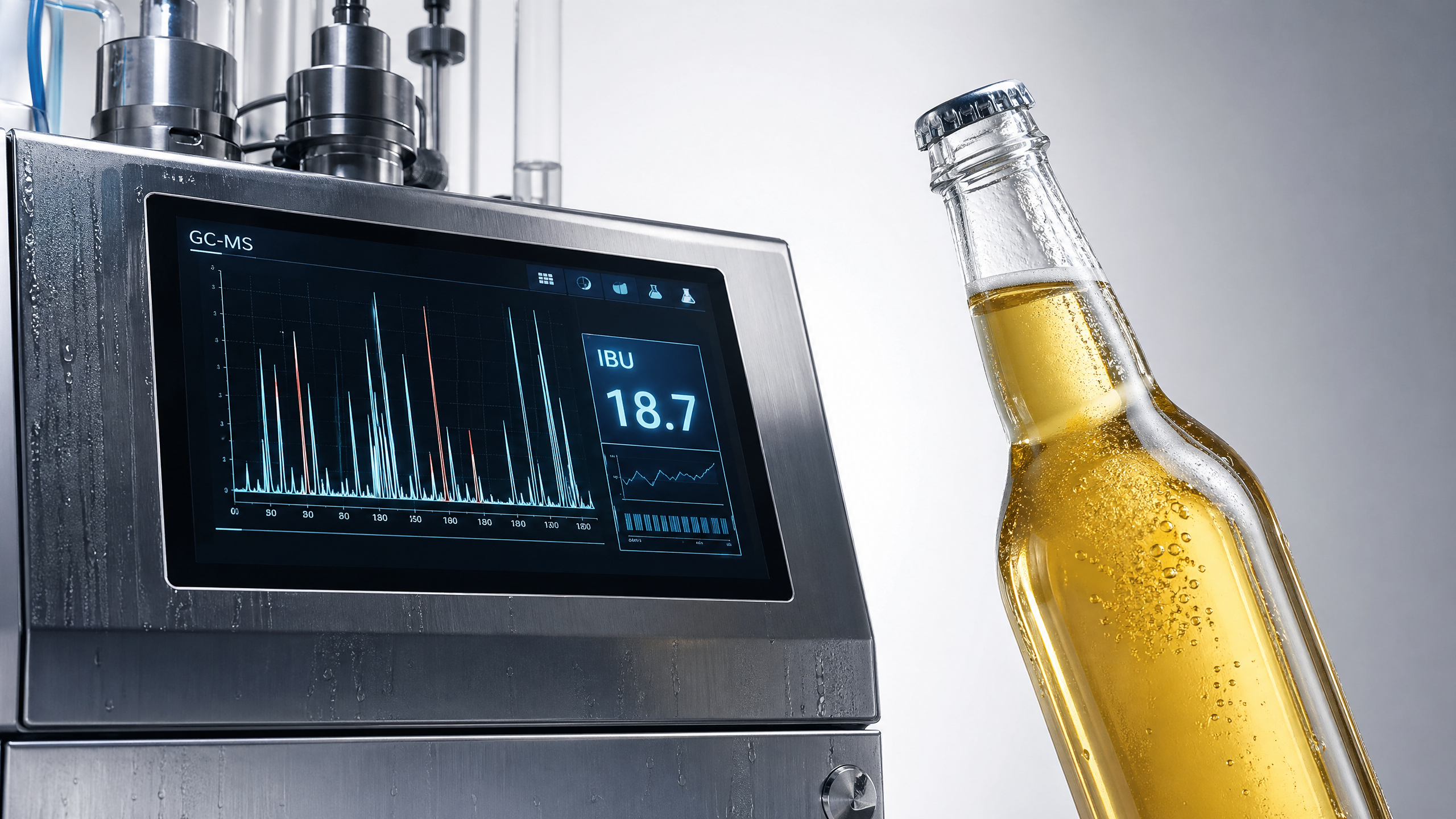
Unlike traditional craft models reliant on subjective consensus, Jinpai Beer implements a dual-layer release protocol: GC-MS volatile compound profiling (±0.8% RSD) paired with ISO 8586-trained sensory panels operating under ASTM E1879-22 guidelines. This reduces approval deviation to <±2.3% across 12-month production runs.
The table confirms that Jinpai’s integrated analytical-sensory framework delivers measurable stability—critical when scaling production across EU, LATAM, and APAC markets where regulatory thresholds for off-flavor compounds differ by up to 40%. Procurement teams gain predictable release windows, while distributors eliminate costly rework and shelf-life write-offs.
OEM/ODM Decision Framework: 5 Non-Negotiable Criteria
Selecting a craft beer manufacturing partner demands objective benchmarks—not just tasting notes. Based on 200+ OEM engagements since 2019, Jinpai identifies five procurement-critical criteria:
- Instrumental Correlation Threshold: Any partner claiming “sensory-aligned” QC must demonstrate ≥90% correlation between GC-MS/HPLC data and panel scoring across ≥50 batches (not just pilot runs).
- Panel Rotation Protocol: Panels must rotate every 90 days with ≥3 external benchmark validations/year—preventing fatigue-driven false negatives in low-ABV or functional beer lines.
- Traceability Depth: Full lot-level traceability down to malt lot ID, yeast passage number, and fermentation temperature logs—required for EU FIC Regulation compliance.
- MOQ Flexibility: Minimum order quantities under 500L for trial batches, with no penalty for formula iteration within first 3 production cycles.
- Certification Alignment: BRCGS Food Safety Issue 9, ISO 22000:2018, and HACCP certification with annual third-party audit reports available pre-contract.
These aren’t theoretical ideals—they’re operational standards embedded in Jinpai’s 12-step OEM onboarding workflow, which includes 3 mandatory lab validation rounds before commercial-scale production begins.
Scalable Solutions for Global Distribution Channels
Jinpai serves over 47 countries with channel-specific formulations: sugar-free low-calorie variants (≤89 kcal/330mL, certified by EFSA), fruit-flavored beers meeting EU Annex II flavor listing rules, and functional specialty beers with clinically dosed botanical extracts (e.g., L-theanine at 100mg/serving, stability-tested for 12 months at 30°C).
For supermarket chains requiring shelf-life certainty, Jinpai guarantees ≤0.5% ABV drift across 18-month storage—validated via accelerated aging at 40°C for 12 weeks. Restaurant partners benefit from kegged Whole wheat lager Beer with CO₂ saturation control ±0.05 vol, ensuring draft consistency across 120+ pours per 20L keg.
Each channel solution integrates real-time quality dashboards accessible to clients—showing live pH, turbidity, and dissolved oxygen metrics during active fermentation. This transparency eliminates post-approval disputes and enables proactive intervention before deviations occur.
Why Procurement Leaders Choose Jinpai Beer
Beyond technical rigor, Jinpai operates under a procurement-first philosophy: all OEM contracts include 3 free formula iterations, 100% raw material origin disclosure, and zero-cost logistics coordination for multi-destination shipments (e.g., split pallets to Hamburg, Rotterdam, and Warsaw in one consignment).
With production capacity spanning 500L pilot batches to 30,000L/month commercial runs—and dedicated lines for gluten-reduced, organic-certified, and halal-compliant beers—Jinpai supports growth from concept to continental rollout without infrastructure lock-in.
Whether you manage supply chain for a regional bar group, source private label for a supermarket chain, or evaluate outsourced brewing for a functional beverage startup, Jinpai delivers auditable consistency—not artisanal guesswork. Request your customized OEM feasibility assessment and batch-release protocol documentation today.
Thank you very much for writing to us. Please leave your message and contact information, we will reply to you within 24 hours.