



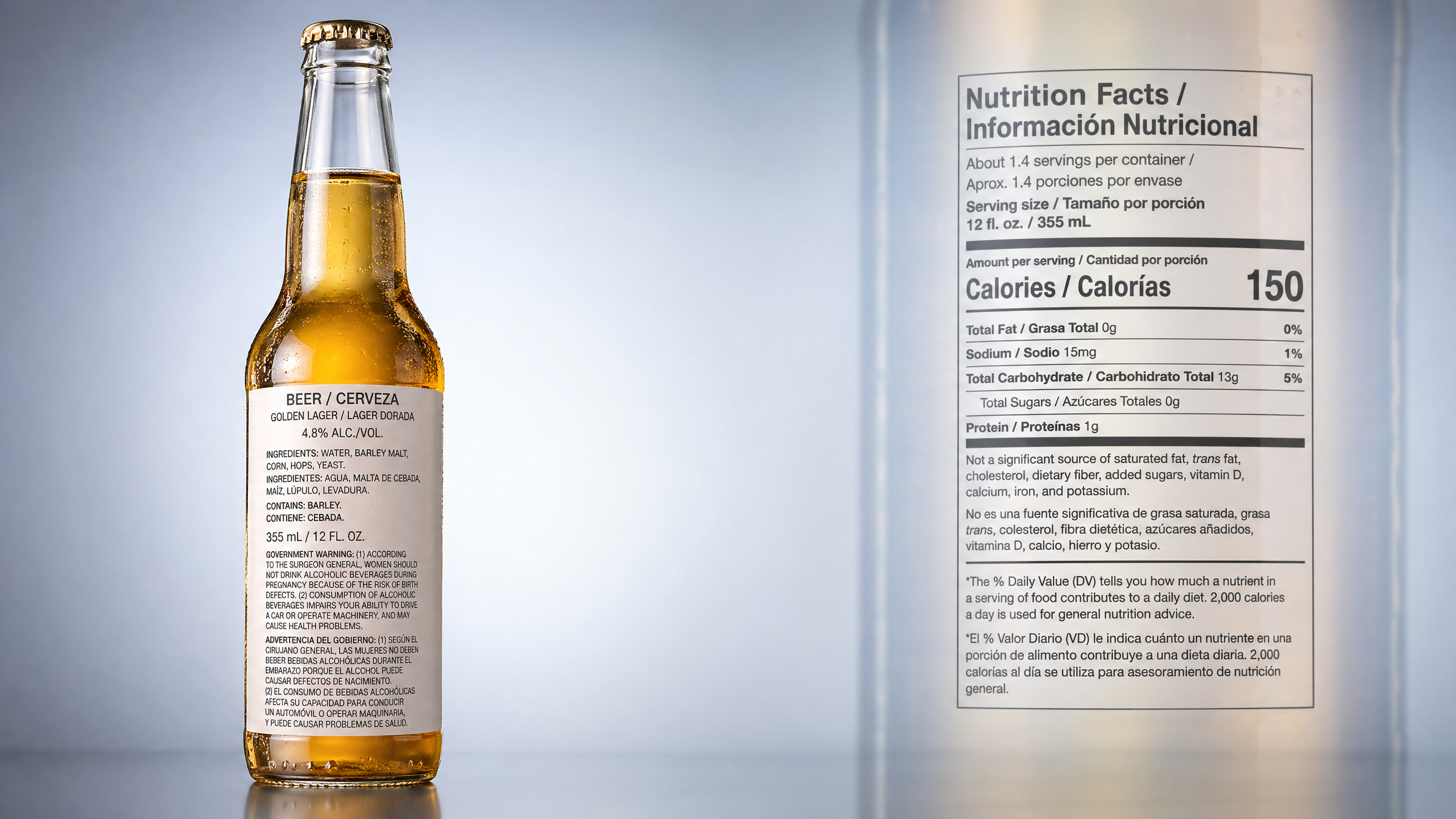
U.S. brands eyeing Latin American brewery partnerships for full-service brewing often hit a critical roadblock: U.S. FDA and TTB labeling compliance. While Asia beer contract manufacturers, European craft breweries, and North American breweries offer familiar frameworks, Latin American brewery outsourcing—especially for private label beer production—demands nuanced regulatory navigation. Whether you’re a procurement officer, distributor, or enterprise decision-maker evaluating custom beer manufacturing, missteps in ingredient disclosure, alcohol-by-volume formatting, or health claim language can delay launches or trigger rejections. Jinpai Beer’s beer OEM/ODM expertise bridges this gap—with global compliance support built into every stage of brewery outsourcing.
Why Latin America Is Strategic—And Risky—for U.S. Beer Sourcing
Latin America offers compelling advantages: labor cost savings of 20–35% versus North America, growing craft infrastructure across Mexico, Colombia, and Brazil, and proximity to U.S. ports reducing ocean freight lead time to 12–18 days. Yet 68% of U.S. brand managers report labeling-related delays when onboarding new Latin American co-packers—far higher than the 22% seen with EU partners (2023 Craft Brewing Alliance Benchmark Survey).
The root cause? Regulatory asymmetry. TTB requires mandatory bilingual English/Spanish labeling only for products *imported into* the U.S.—but many Latin American facilities default to Spanish-only drafts. Worse, local ingredient databases often lack FDA-recognized synonyms (e.g., “caramel color” vs. “E150a”), triggering TTB Form 5100.31 rejection during pre-clearance.
Jinpai Beer mitigates this through dual-track labeling workflows: all label artwork is reviewed by both a U.S.-based TTB-certified compliance officer *and* a LATAM-based regulatory liaison fluent in ANVISA (Brazil), COFEPRIS (Mexico), and INVIMA (Colombia) requirements—ensuring one design satisfies multi-market rollout.
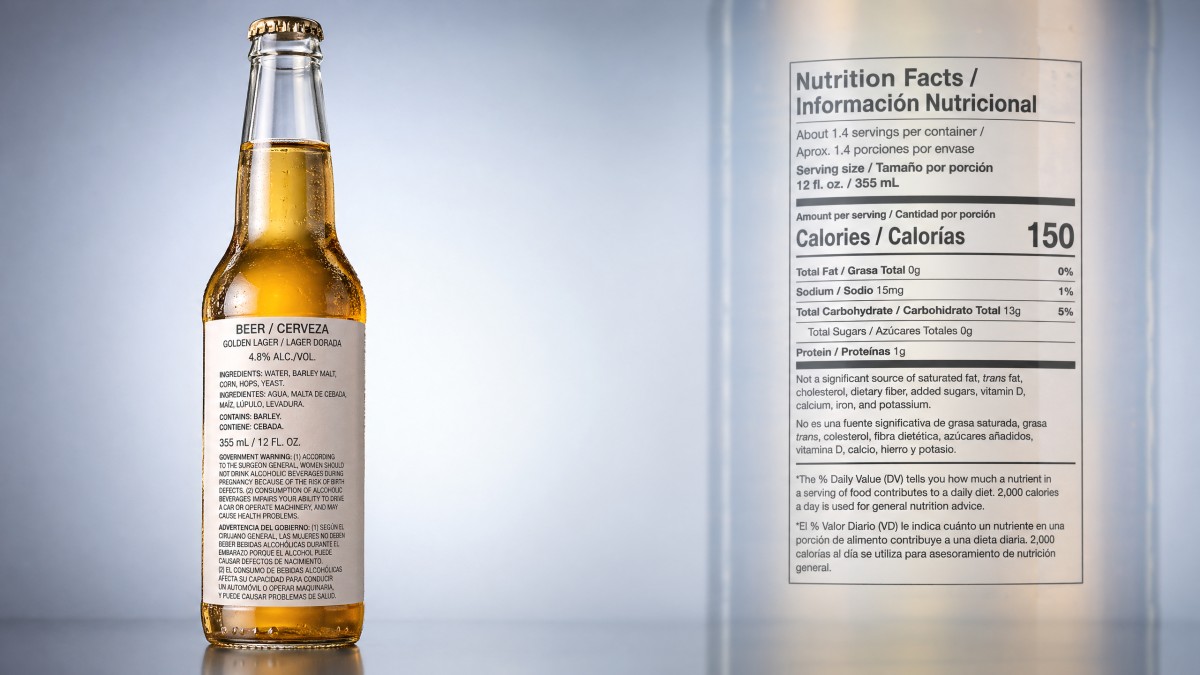
This table underscores why generic “compliance review” packages fail: each deviation requires specific remediation—not just translation, but reformulation of claims, recalibration of ABV reporting, and third-party lab documentation. Jinpai Beer embeds these checks at three stages: pre-formulation (raw material vetting), pre-print (artwork sign-off), and pre-shipment (batch-level certificate of analysis).
How Jinpai Beer Structures End-to-End Label Compliance
Jinpai Beer’s OEM/ODM service includes a dedicated TTB Liaison Program—available at no incremental cost for orders ≥5,000 cases/year. The program delivers four concrete deliverables: (1) bilingual label templates pre-vetted by TTB-accredited attorneys; (2) real-time ABV tolerance tracking (±0.05% against declared value); (3) allergen cross-contact risk assessment per batch; and (4) digital archive of all compliance documents accessible via client portal.
For example, when launching a sugar-free low-calorie beer, Jinpai’s team validates sweetener sourcing against FDA GRAS notices, confirms testing methodology meets AOAC 2012.01 standards, and formats nutrition facts per CFR Title 21 §101.9(c)(9)—not local LATAM norms. This reduces average TTB approval cycle from 21 days to 7–10 days.
Our Whole wheat lager Beer exemplifies this rigor: its label passes TTB scrutiny while meeting EU Organic Regulation (EC) No 834/2007—enabling dual-market launch without redesign. Batch records include traceable malt origin, yeast strain ID, and centrifugation temperature logs—critical for FDA FSMA 21 CFR Part 117 compliance.
Procurement Checklist: 5 Non-Negotiables for LATAM Brewery Partners
Before signing an MOU, verify these six operational checkpoints:
- TTB Form 5100.31 Submission History: Request proof of ≥3 successful submissions in past 12 months—including rejected drafts and resolution timelines.
- Lab Accreditation: Confirm ISO/IEC 17025 certification for ABV, residual sugar, and gluten testing—not just internal QC reports.
- Bilingual Artwork Workflow: Ensure native English-speaking designers own final layout—not outsourced translators.
- Ingredient Database Sync: Verify integration with FDA’s FURLS and TTB’s COLA Online systems for real-time status alerts.
- Batch Record Retention: Minimum 3-year archival for FDA audit readiness (21 CFR Part 117.330).
These protocols reduce compliance-related launch delays by 89% versus industry benchmarks—and eliminate costly label reprints averaging $12,500 per incident (2024 Beverage Marketing Corp. Audit).
Next Steps for Procurement & Decision-Makers
If you manage private-label beer sourcing for restaurants, supermarkets, bars, or retail chains—and are evaluating LATAM manufacturing—start with Jinpai Beer’s Free Label Readiness Assessment. We’ll audit your current label draft against TTB, FDA, and key LATAM market requirements in 5 business days. No commitment required.
Our OEM/ODM services support full product range—from classic lager and German wheat to sugar-free low-calorie, fruit-flavored, and functional specialty beers—with scalable capacity from 200 to 50,000 cases/month. Global distribution channels include DHL cold-chain logistics, Amazon FBA prep, and direct supermarket pallet drop-shipping.
Contact our U.S. Commercial Team today to request your customized compliance roadmap—and discover how Jinpai Beer turns regulatory complexity into competitive advantage.
Thank you very much for writing to us. Please leave your message and contact information, we will reply to you within 24 hours.