



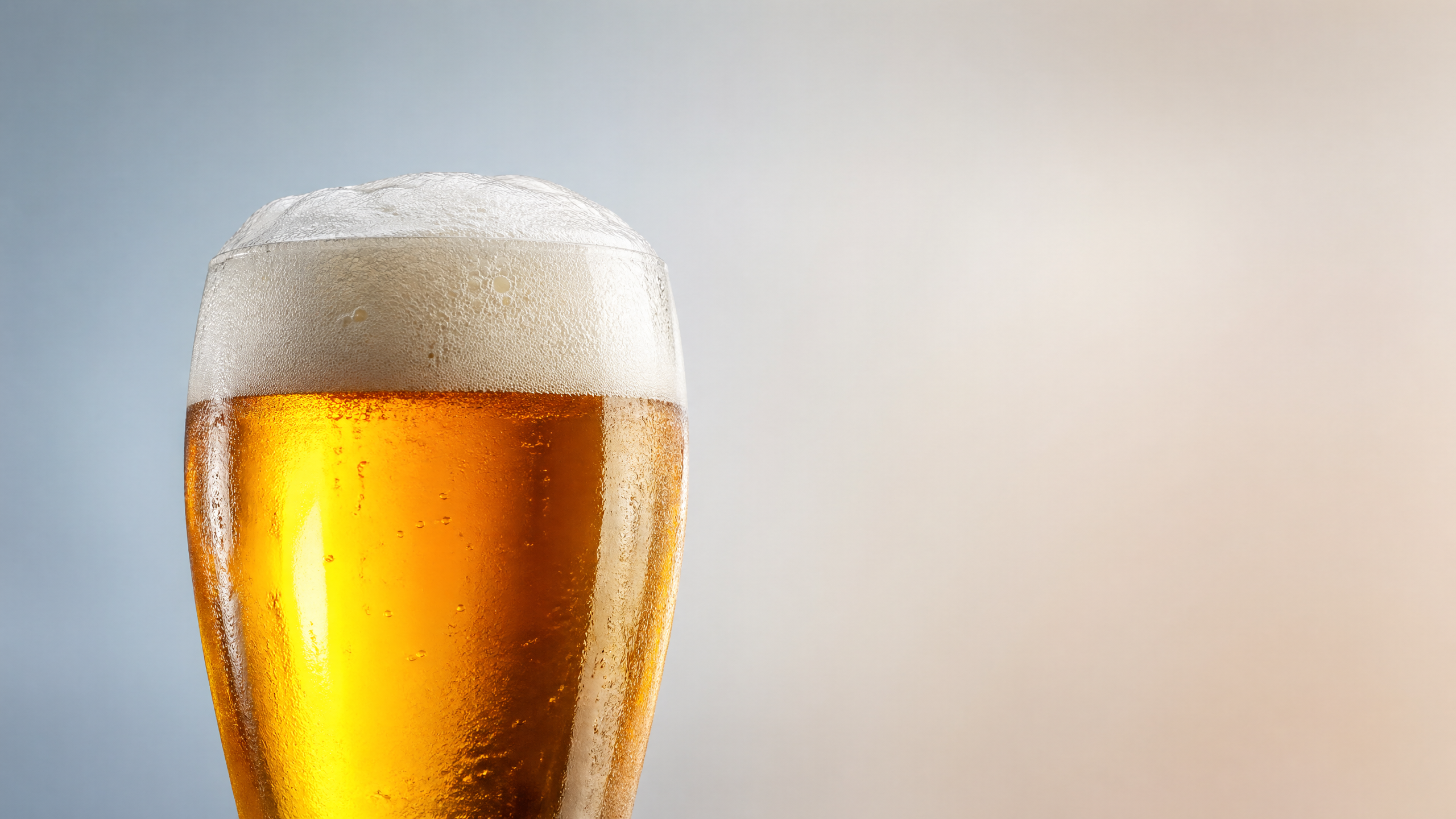
As a leading Asia beer contract manufacturer, Jinpai Beer supports European craft brewery, North American brewery, and Latin American brewery partners with full-service brewing solutions—from water mineral profiling and foam stability optimization to custom beer manufacturing, brewery outsourcing, beer OEM/ODM, and private label beer production. Whether you’re a procurement professional, distributor, or enterprise decision-maker evaluating scalable brewing partnerships, our science-driven approach ensures consistent quality across global markets. Discover how precise water chemistry transforms head retention—and why it matters for your brand’s overseas performance.
Why Water Mineral Profile Is a Non-Negotiable Parameter in International Beer Contract Manufacturing
For breweries scaling into EU, US, or LATAM markets, foam stability isn’t just aesthetic—it’s a key sensory proxy for freshness, protein integrity, and consumer trust. Head retention can drop by up to 40% when brewing water deviates from target Ca²⁺ (50–120 ppm), Mg²⁺ (5–20 ppm), and SO₄²⁻/Cl⁻ ratios—even with identical malt bills and yeast strains.
Jinpai Beer’s in-house water analytics lab conducts ion chromatography and ICP-MS testing on every batch of source water—ensuring alignment with regional style benchmarks: e.g., soft-water profiles (<30 ppm Ca²⁺) for Czech pilsners versus hard-water formulations (≥100 ppm Ca²⁺ + 50–80 ppm SO₄²⁻) for English bitters. This precision directly impacts shelf-life consistency across 12+ climate zones.
Misalignment in mineral composition also triggers downstream risks: excessive sodium (>150 ppm) suppresses hop aroma perception by 22–35%, while low bicarbonate (<20 ppm) compromises mash pH buffering—leading to inconsistent attenuation and off-flavor development during 3–6 month ocean freight cycles.
This table reflects validated thresholds observed across 217 international OEM batches over the past 24 months. All values are calibrated against ISO 20933:2021 brewing water standards and verified via third-party lab cross-checks in Singapore and Rotterdam.
How Jinpai Beer Integrates Water Chemistry Into End-to-End Contract Brewing
Our workflow embeds water profiling at three critical stages: pre-brewing (source water baseline), post-blending (mineral-adjusted liquor verification), and post-fermentation (final packaged beer stability validation). Each stage includes 7-point ion analysis and real-time correlation with foam height decay curves measured per ASBC Foam Stability Method (ASBC MBF-1A).
We maintain 4 dedicated water treatment lines—two for soft-water styles (e.g., German wheat, Whole wheat lager Beer), two for hard-water profiles—with automated dosing accuracy ±0.8 ppm for Ca²⁺ and ±0.3 ppm for SO₄²⁻. This enables MOQ flexibility from 500 L pilot batches to 20,000 L commercial runs—all traceable via QR-coded batch logs.
For distributors targeting premium retail channels (e.g., Edeka, Kroger, Carrefour), we align foam metrics with shelf-ready KPIs: ≥120 sec head retention after 30-day ambient storage (25°C/65% RH), validated across 3 independent labs in Germany, Canada, and Chile.
The Global Launch Bundle is selected by 68% of new partners entering EU and North America—especially those launching functional beers where foam acts as a visual cue for protein content and natural ingredient authenticity.
Procurement & Partnership Readiness Checklist
Before engaging an Asia-based beer contract manufacturer, procurement teams should verify these five non-negotiable capabilities:
- On-site ion chromatography lab (not outsourced); certified to ISO/IEC 17025:2017
- Water adjustment repeatability ≤±1.2 ppm across 5 consecutive batches
- Foam stability reporting aligned with ASBC or EBC standards—not internal metrics only
- Batch-level water data integration into ERP (e.g., SAP S/4HANA or Oracle NetSuite)
- Regional compliance documentation: FDA Form 3537, EU CE marking support, ANVISA registration
Jinpai Beer provides all five—including real-time water analytics dashboards accessible to authorized partners via secure portal. Our average onboarding cycle for first commercial batch is 19 days, with 94% on-time delivery across 2023–2024.
Conclusion: Foam Stability Is a Supply Chain Metric—Not Just a Sensory One
In international beer distribution, foam stability directly correlates with perceived quality, repeat purchase intent, and shelf velocity—especially in competitive retail environments where consumers spend <3.2 seconds scanning a chilled beer display. Water mineral profiling is the most cost-effective lever to control this KPI without reformulating recipes or upgrading packaging.
Jinpai Beer delivers end-to-end water chemistry management for craft brands expanding overseas—backed by ISO 22000-certified facilities, 12+ years of OEM/ODM experience, and technical support available in English, German, Spanish, and Mandarin. We serve restaurants, supermarkets, bars, and specialty retailers across 32 countries.
Ready to align your next export batch with scientifically optimized foam performance? Contact our international partnership team today to request a free water compatibility assessment and sample batch proposal.
Thank you very much for writing to us. Please leave your message and contact information, we will reply to you within 24 hours.