



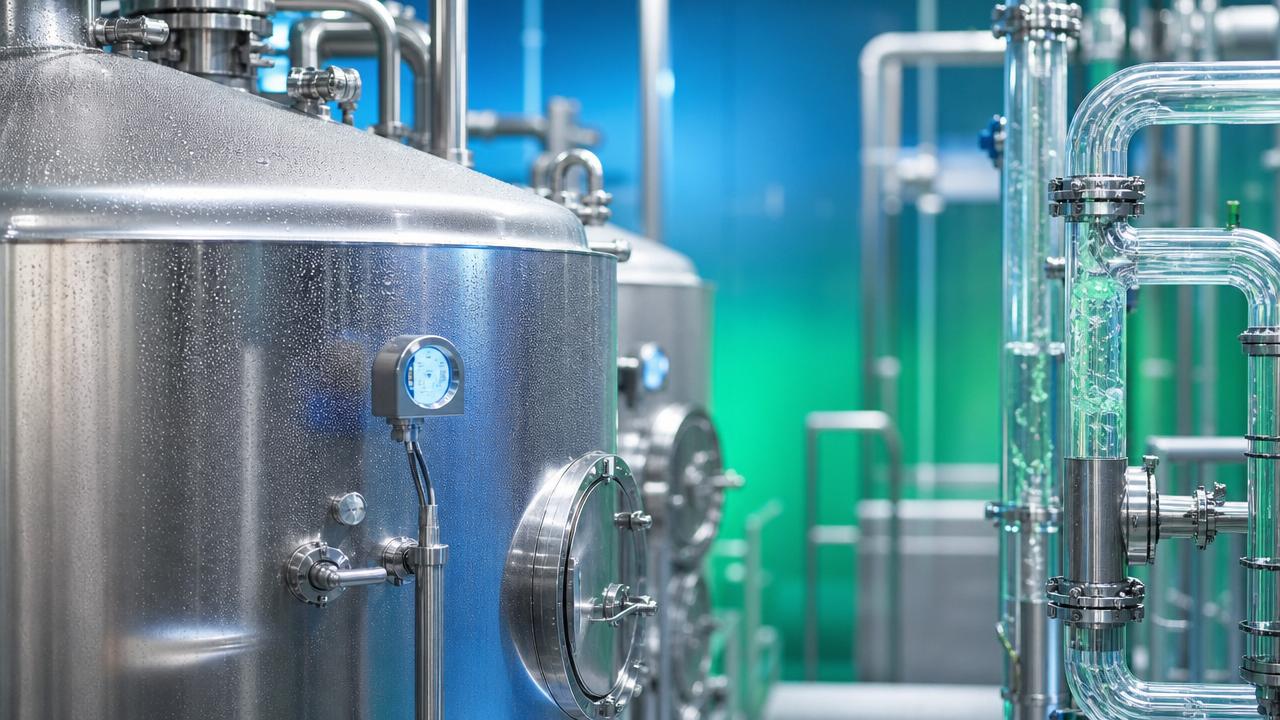
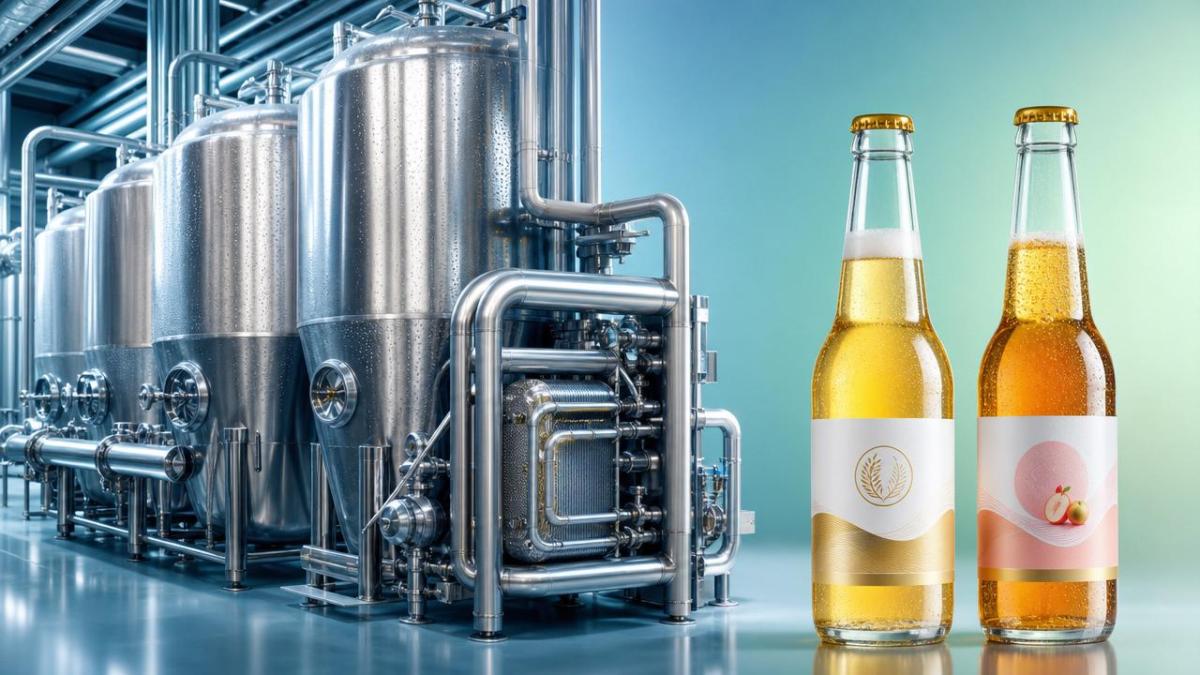
A leading China beer factory—Jinpai Beer—has just launched a new sustainable brewing line in Shandong, combining eco-efficient production with export-grade quality control. Designed specifically for global B2B partners, this upgrade enhances scalability, consistency, and compliance with international food safety standards (e.g., ISO 22000, HACCP). For procurement professionals sourcing premium craft beer, it means faster lead times, flexible OEM/ODM options across lagers, wheat beers, low-calorie, fruit-infused, and functional variants—and seamless integration into restaurant, retail, and wholesale supply chains worldwide.
Why This Upgrade Demands Your Immediate Attention as a Procurement Professional
When evaluating a China beer factory for long-term supply partnerships, sustainability isn’t just a marketing tagline—it’s a direct proxy for operational maturity, regulatory readiness, and export resilience. Jinpai Beer’s new Shandong line signals concrete shifts in four procurement-critical dimensions: compliance posture, production agility, product range flexibility, and documentation transparency. Ignoring these signals may delay onboarding, increase audit risk, or limit your ability to scale private-label programs across key markets like the EU, US, Canada, and ASEAN.
5 Must-Verify Items Before Engaging With This New Line
Use this actionable checklist—not as a general overview, but as your pre-engagement verification protocol:
- Export Certification Validity & Scope: Confirm active ISO 22000, HACCP, and BRCGS Food Safety certifications—and verify they explicitly cover *all* target product categories (e.g., fruit-flavored beer, sugar-free formulations), not just standard lager.
- Sustainable Process Documentation: Request third-party validation reports for water recycling rate (>40% reduction vs. legacy lines), energy recovery systems (e.g., heat exchangers capturing >65% of boiler exhaust heat), and certified biodegradable packaging materials used in export-ready SKUs.
- OEM/ODM Minimum Order Flexibility: Verify MOQs per SKU type—especially for low-volume, high-margin variants like functional specialty beers (e.g., collagen-infused or adaptogen-blended) where traditional China beer factory MOQs often exceed 5,000 cases.
- Label & Regulatory Alignment Support: Assess whether Jinpai provides bilingual (English + target market language) label templates compliant with local requirements—e.g., EU allergen declarations, US TTB formula approval support, or Health Canada nutrition facts formatting.
- Lead Time Consistency Across Variants: Cross-check quoted timelines for core lager vs. complex variants (e.g., German wheat with suspended yeast, or hazy IPA with cold-side dry-hopping)—delays often hide in secondary fermentation or stabilization steps.
Scenario-Based Priorities: What to Emphasize Based on Your Channel
Your role dictates which checklist items rise to the top:
- Restaurant & Bar Distributors: Prioritize batch-to-batch flavor stability data (IBU, SRM, diacetyl testing logs) and keg cleaning compatibility documentation—critical for draft beer integrity and tap-line maintenance.
- Supermarket & E-commerce Retailers: Focus on shelf-life validation under real-world transit conditions (e.g., 30-day accelerated aging at 35°C), barcode/GS1 compliance, and pallet labeling clarity for warehouse scanning efficiency.
- Private-Label Brand Owners: Demand full formulation disclosure (including processing aids), ingredient traceability down to lot-level malt/hops suppliers, and IP protection clauses covering recipe development during co-creation.
3 Commonly Overlooked Risks—Even by Experienced Buyers
These subtle gaps frequently trigger rework, customs holds, or brand reputation damage post-launch:
- “Export-Ready” ≠ “Market-Approved”: A China beer factory may hold global certifications yet lack country-specific registrations—e.g., FDA Food Facility Registration for US-bound shipments or ANVISA registration for Brazil. Always request proof of *active, current* import permits for your destination.
- Ingredient Sourcing Blind Spots: Low-calorie or sugar-free variants may use novel sweeteners (e.g., allulose, monk fruit extract) requiring separate regulatory clearance—even if the base beer is approved. Confirm supplier documentation covers *every* functional additive.
- Logistics Handoff Gaps: Many China beer factory partners manage production well but outsource cold-chain logistics without visibility. Require documented SOPs for temperature-controlled handover from warehouse to freight forwarder—including real-time GPS/temperature logging integration.
Actionable Next Steps: From Verification to Onboarding
Don’t wait for RFQ cycles—initiate targeted due diligence now:
- Within 48 hours: Email Jinpai’s export team requesting their latest third-party audit summary report (not just certificates) and a signed statement confirming coverage of your target SKUs and markets.
- By Day 5: Share your top 3 priority SKUs (e.g., “German wheat, 500ml bottle, EU labeling”) and request a formal quote including: unit landed cost breakdown, lead time with buffer days, and sample timeline with shipping terms (DDP vs. FOB).
- By Day 10: Schedule a virtual facility walkthrough—focus on the new Shandong line’s bottling/canning station, QC lab (ask to see live pH and alcohol testing), and raw material quarantine zone.
Final Note: This Isn’t Just About One Factory—It’s About Your Supply Chain’s Future Resilience
The launch of Jinpai Beer’s sustainable brewing line reflects a broader industry inflection point: China beer factory capabilities are no longer defined by cost alone—but by verifiable compliance, technical versatility, and responsiveness to global retail demands. For procurement professionals, that means shifting from price-led sourcing to capability-led partnership building. If you’re evaluating this line for your portfolio, start with the five-item checklist above—not as a formality, but as your first line of defense against hidden delays, compliance exposure, or missed differentiation opportunities in increasingly competitive beer categories.
To receive Jinpai Beer’s detailed export compliance dossier, OEM specification sheet, and Shandong line capacity calendar—tailored to your target markets and SKUs—contact their Global Procurement Team directly with your company name, primary distribution channel, and top 3 product interests. They respond to qualified B2B inquiries within one business day.
Thank you very much for writing to us. Please leave your message and contact information, we will reply to you within 24 hours.