



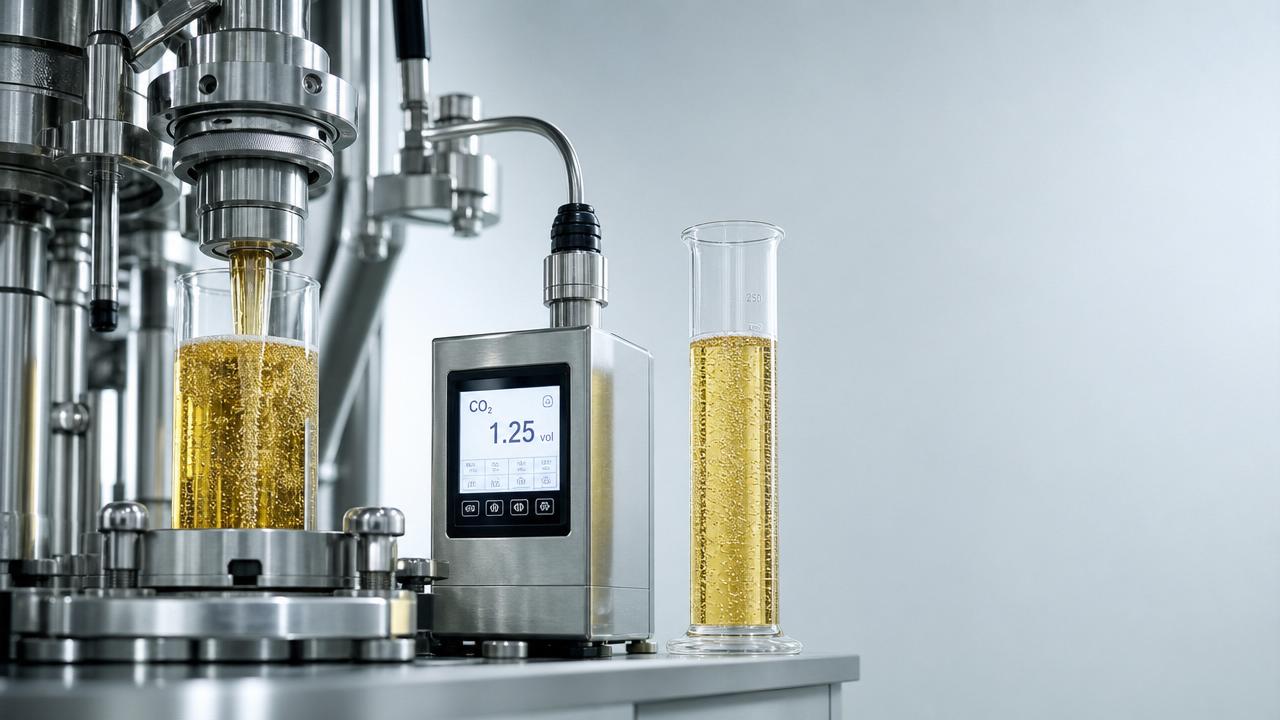
Choosing the right Beer OEM manufacturer is critical—especially when you're responsible for post-sale support, product consistency, and brand reputation. If your production partner cuts corners, you’re the one fielding customer complaints about off-flavors, inconsistent carbonation, or labeling errors. In this article, we reveal 5 red flags that signal compromised quality control, poor traceability, or lack of transparency—warning signs every售后 maintenance professional should recognize before signing an OEM agreement.
Why Scenario Awareness Matters for售后 Maintenance Teams
As a售后 maintenance professional, your role bridges production integrity and end-customer experience. You don’t just troubleshoot dispensers—you diagnose root causes behind batch inconsistencies, shelf-life failures, or regulatory noncompliance. Yet those root causes rarely originate in your warehouse. They often stem from upstream decisions made by your Beer OEM manufacturer: rushed sanitation cycles, undocumented raw material substitutions, or ad-hoc process adjustments to meet tight deadlines. Unlike procurement or marketing teams—who prioritize cost or speed—you evaluate partners through the lens of long-term serviceability, reproducibility, and forensic accountability. That means your “ideal scenario” isn’t generic—it’s defined by traceability depth, documentation rigor, and operational transparency.
5 Red Flags Your Beer OEM Manufacturer Is Cutting Corners
1. Batch Records Are Unavailable—or Only Provided on Request
In breweries serving global retail or foodservice clients, full batch traceability isn’t optional—it’s foundational. A reputable Beer OEM manufacturer maintains real-time digital logs covering malt lot numbers, yeast passage counts, fermentation temperature profiles, centrifugation parameters, and CO₂ dosing timestamps. If your partner treats batch records as “confidential” or delivers them only after escalation, it signals either fragmented systems or deliberate opacity. For售后 maintenance, this means you cannot correlate a haze complaint with specific filtration settings—or link gushing bottles to a single yeast harvest. Jinpai Beer logs every batch in ISO 22000–compliant ERP modules, accessible via secure portal within 2 hours of packaging completion.
2. No Dedicated QA/QC Lab—Or Outsourced Micro Testing
Microbiological stability directly impacts your workload: wild yeast contamination triggers recalls; diacetyl spikes cause “buttery” off-notes customers blame on storage—not production. A legitimate Beer OEM manufacturer invests in in-house microbiology labs with trained technicians, not third-party labs used only for pre-shipment clearance. Outsourced testing introduces delays (often 5–7 business days), limits root-cause analysis, and prevents rapid intervention. At Jinpai, our QC lab performs daily tank-side plating, PCR-based Brettanomyces screening, and sensory triads—ensuring anomalies are caught before packaging, not during your warranty call.
3. Ingredient Substitutions Without Prior Notification
Switching hop varieties, malt suppliers, or even water mineral profiles—even for “equivalent” specs—alters flavor kinetics, foam stability, and shelf-life behavior. A transparent Beer OEM manufacturer requires written sign-off for any formulation deviation, backed by comparative sensory and stability data. If substitutions happen silently to “avoid delays,” you inherit unpredictable aging curves and inconsistent mouthfeel across batches—making your troubleshooting guesswork, not science.
4. Packaging Line Lacks Inline Carbonation Monitoring
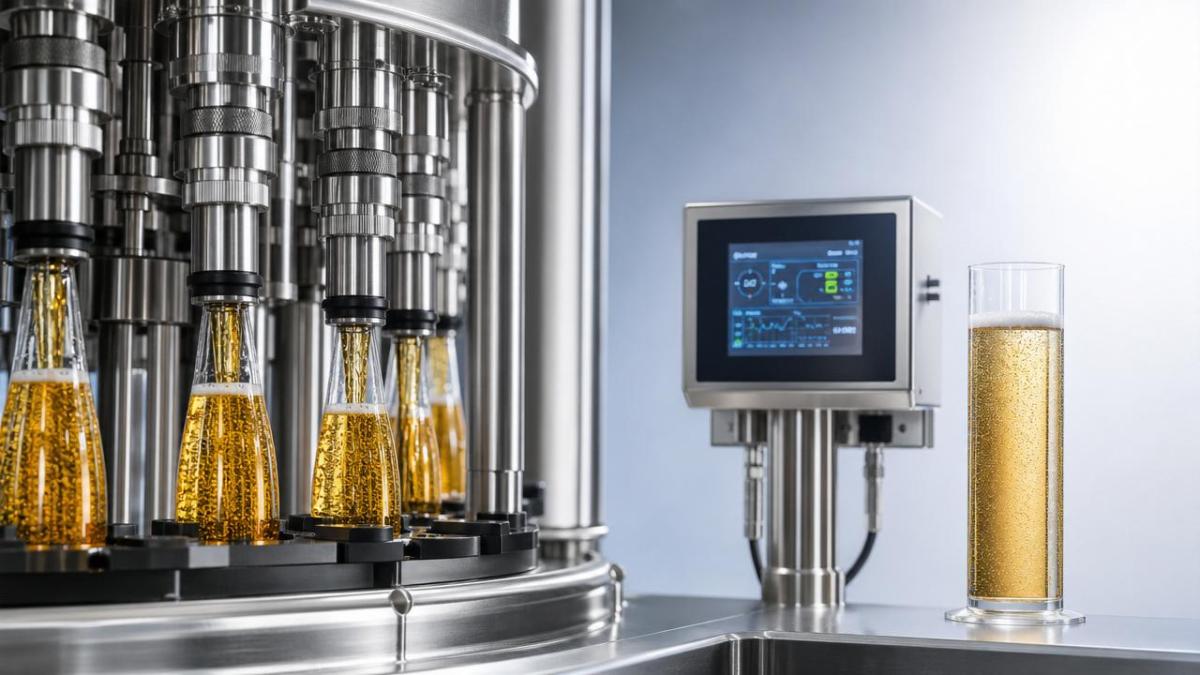
Carbonation variance is the #1 driver of post-sale pressure-related failures: over-carbonated kegs burst seals; under-carbonated cans lose effervescence within weeks. High-end Beer OEM manufacturers deploy inline CO₂ analyzers (e.g., Anton Paar DMA 4500M) that sample every 3rd can/bottle and auto-adjust dosing. Manual “spot checks” or reliance on pre-fill calibration? That’s a red flag. Jinpai’s lines monitor dissolved CO₂ in real time—with alerts triggered at ±0.05 vol deviations—ensuring your draft systems perform predictably across seasons.
5. No Version-Controlled Label Art Archive
Label errors—misprinted ABV, missing allergen statements, outdated certifications—are among the most frequent post-sale compliance issues. A mature Beer OEM manufacturer stores all label versions (including printer-ready PDFs, Pantone references, and regulatory approval stamps) in timestamped, access-controlled archives. If your partner emails “final art” without version numbers or retains no audit trail of changes, you risk shipping noncompliant stock—and bearing reputational fallout.
Scenario-Based Partner Assessment Table
Your ideal Beer OEM manufacturer depends heavily on your operational context:
Common Missteps in Partner Evaluation
Many售后 maintenance professionals rely too heavily on audit certificates alone. ISO 9001 certification says nothing about yeast handling hygiene; HACCP plans don’t guarantee label version control. Worse, some assume “local OEMs” offer better responsiveness—yet lack cold-chain validation for export shipments. Always validate capabilities *in context*: request live access to their QC dashboard during due diligence, not just static reports.
Next Steps: Align Your OEM Selection With Operational Reality
Before finalizing any Beer OEM manufacturer agreement, conduct a scenario-specific readiness check: • For each red flag above, ask for documented evidence—not verbal assurances. • Require a joint failure-mode analysis using your last 3 customer complaints as case studies. • Insist on remote read-only access to their batch management system for 30 days post-signing. Jinpai Beer supports this rigor: we offer virtual facility tours, real-time lab data sharing, and co-developed SOPs for brands requiring ultra-high traceability. Whether you manage keg networks across Southeast Asia or supply low-calorie variants to North American gyms, our OEM/ODM framework adapts—not to lowest cost—but to your service-level reality.
Thank you very much for writing to us. Please leave your message and contact information, we will reply to you within 24 hours.