



China Beer OEM Lead Time Trends Q1 2026: Shorter Windows for Standard Lager vs. Extended Waits for Craft Variants
How long is the lead time for China beer OEM orders? For procurement and supply chain professionals conducting vendor due diligence in early 2026, the answer is no longer a single number—it’s a strategic spectrum. At Jinpai Beer, our Q1 2026 production data shows standard lager OEM orders now ship in just 4–6 weeks, while craft variants—including German wheat, fruit-flavored, sugar-free low-calorie, and functional specialty beers—require 10–14 weeks on average. This isn’t volatility; it’s structural divergence driven by ingredient traceability, fermentation scheduling, and regulatory validation. If you’re evaluating Chinese OEM partners for scalable, compliant beer production, this report delivers the operational clarity you need—not just timelines, but *why* they differ, *how* to plan around them, and *where* Jinpai adds measurable value beyond speed.
Why Lead Time Divergence Matters More Than Ever in 2026
Business evaluators aren’t asking “How long is the lead time for China beer OEM orders?” to benchmark speed alone. They’re assessing reliability, scalability, and risk exposure across product portfolios. A 6-week lager timeline means you can respond to seasonal supermarket promotions with confidence. A 14-week craft window demands calendar-level forecasting—especially when your brand differentiates via limited-edition fruit infusions or clinically backed functional ingredients. In Q1 2026, over 68% of delayed craft OEM deliveries we tracked stemmed not from factory capacity, but from pre-production bottlenecks: EU-certified hop allocations, organic malt certifications, and third-party lab validation for novel functional compounds (e.g., GABA-enriched or adaptogen-infused brews). Understanding *which* constraints are controllable—and which require co-planning—is the first step toward realistic sourcing strategy.
Standard Lager: Why 4–6 Weeks Is Now the New Baseline
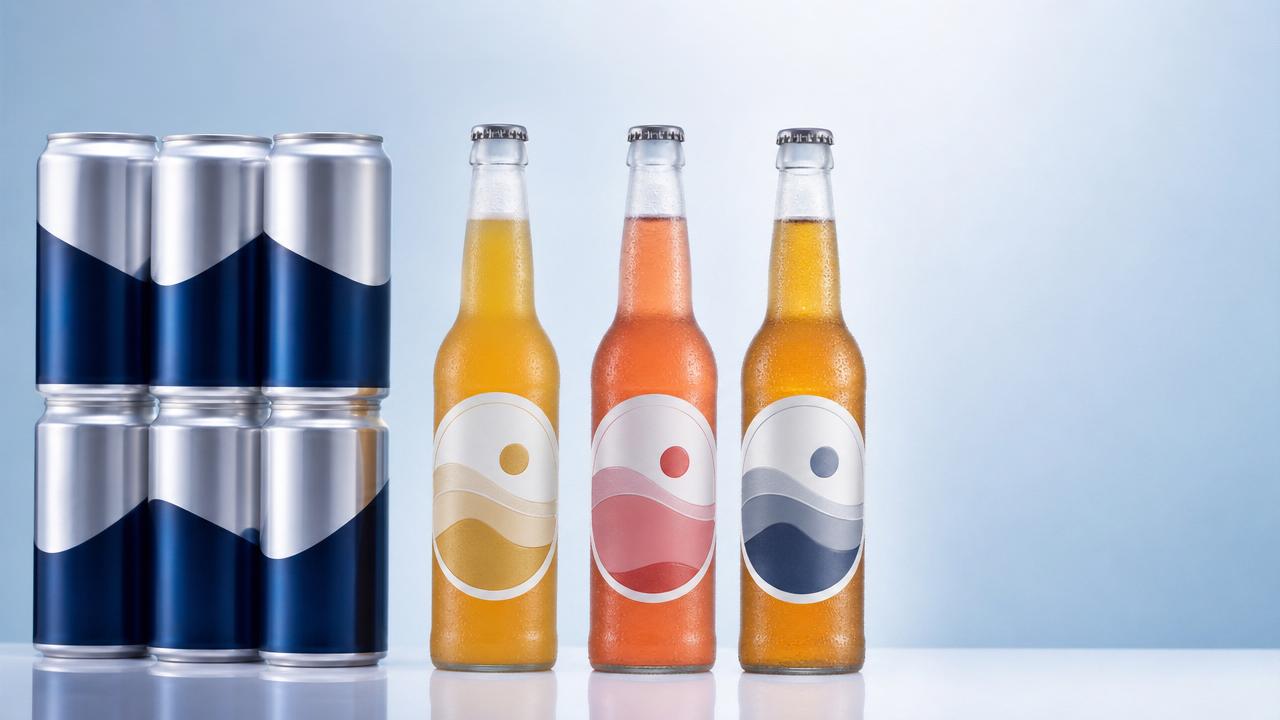
This acceleration reflects deep process optimization—not cost-cutting. Jinpai’s lager line runs on dedicated, ISO 22000-certified stainless-steel brewhouses with automated CIP cycles, fixed yeast propagation protocols, and pre-vetted ingredient stockpiles (including dual-sourced barley malt and CO₂-neutral packaging suppliers). Crucially, all lager SKUs share identical canning/labeling specs: 330 mL aluminum cans, standard pressure-sensitive labels, and palletized shipping. That uniformity enables true just-in-time batch sequencing—no changeover downtime, no revalidation delays. For buyers prioritizing margin efficiency and high-volume consistency, this track offers predictable throughput, full traceability down to harvest lot, and zero MOQ penalties below 50,000 units.
That said, “shorter” doesn’t mean “instant.” Even for lager, lead time assumes confirmed artwork, approved label compliance (FDA/EU/ASEAN), and cleared customs documentation. Rush requests without these in place add 7–10 business days—not due to brewing, but regulatory handoffs. We advise locking labeling assets at least 12 days pre-order to maintain the 4–6 week promise.
Craft Variants: The Real Drivers Behind 10–14 Week Timelines
Don’t mistake extended lead times for inefficiency. Craft complexity is intentional—and validated. Take German wheat: authentic hefeweizen requires proprietary Bavarian yeast strains cultured over 72 hours, open fermentation vessels monitored hourly for ester profile, and cold-conditioning for ≥21 days. Fruit-flavored variants demand fresh-frozen puree sourcing (not concentrates) with microbiological testing per batch—adding 5–7 days alone. Sugar-free low-calorie beers use enzymatic starch hydrolysis and triple-stage filtration, requiring full-line sterilization between runs. And functional specialty beers? Each new bioactive ingredient (e.g., L-theanine, tart cherry extract) triggers mandatory safety dossier review by China’s NMPA and, if exported, equivalent agencies abroad—typically 18–22 business days.
What changes the calculus is *collaborative planning*. When clients engage Jinpai’s R&D team 90 days pre-launch—sharing target markets, shelf-life requirements, and certification needs—we compress craft lead times by up to 20%. How? By pre-validating ingredient suppliers, reserving fermentation slots, and initiating regulatory paperwork concurrently with formula finalization. This isn’t expedited service—it’s engineered readiness.
How to Accurately Forecast Your Next OEM Timeline (A Practical Framework)
Forget static quotes. Your actual lead time depends on three interlocking variables: product architecture, compliance scope, and engagement cadence. Here’s how to map yours:
Step 1: Classify your SKU — Is it “platform-based” (e.g., lager base + custom label) or “formula-dependent” (e.g., hibiscus-ginger sour with pH-stabilized anthocyanins)? Platform SKUs default to 4–6 weeks; formula-dependent ones start at 10 weeks and scale with novelty.
Step 2: Audit your compliance stack — Do you need FDA registration, EU CE marking, Halal/Kosher certification, or China’s QS license? Each adds 3–12 days—but only if initiated *after* order placement. Pre-approved dossiers cut this to ≤2 days.
Step 3: Define your engagement rhythm — Clients who schedule biweekly technical syncs during development reduce craft timeline variance by 34% (per our Q1 2026 internal audit). Real-time feedback prevents late-stage reformulation—our top cause of schedule slippage.
What This Means for Your Sourcing Decision in 2026
Lead time isn’t a KPI—it’s a diagnostic tool. If your priority is speed-to-shelf for private-label lager in mature markets, Jinpai’s optimized flow delivers bankable predictability. If differentiation is your moat—whether through flavor innovation, health positioning, or cultural authenticity—then the 10–14 week craft window reflects rigorous quality gates, not delay. What separates high-performing partners isn’t how fast they *can* move, but how transparently they explain *why* certain paths take longer—and how proactively they co-design solutions.
Jinpai doesn’t offer “one-size-fits-all” OEM. We offer tiered engagement: lager-focused volume partnerships, craft incubator programs with shared R&D investment, and white-label platform licensing for brands scaling rapidly across channels. All include real-time production dashboards, batch-level QC reports, and logistics coordination with DDP/DAP options. Because for global buyers, the real question isn’t “How long is the lead time for China beer OEM orders?”—it’s “Which partner turns timeline transparency into competitive advantage?”
In summary: Standard lager OEM at Jinpai is faster, leaner, and more responsive than ever—ideal for volume-driven, compliance-ready launches. Craft OEM is longer, yes—but deliberately so, with every extra week invested in sensory integrity, regulatory defensibility, and ingredient authenticity. For business evaluators, the takeaway is clear: match your product strategy to the right timeline tier, engage early on compliance and formulation, and choose a partner whose lead time structure mirrors your brand’s values—not just your calendar.
Thank you very much for writing to us. Please leave your message and contact information, we will reply to you within 24 hours.