



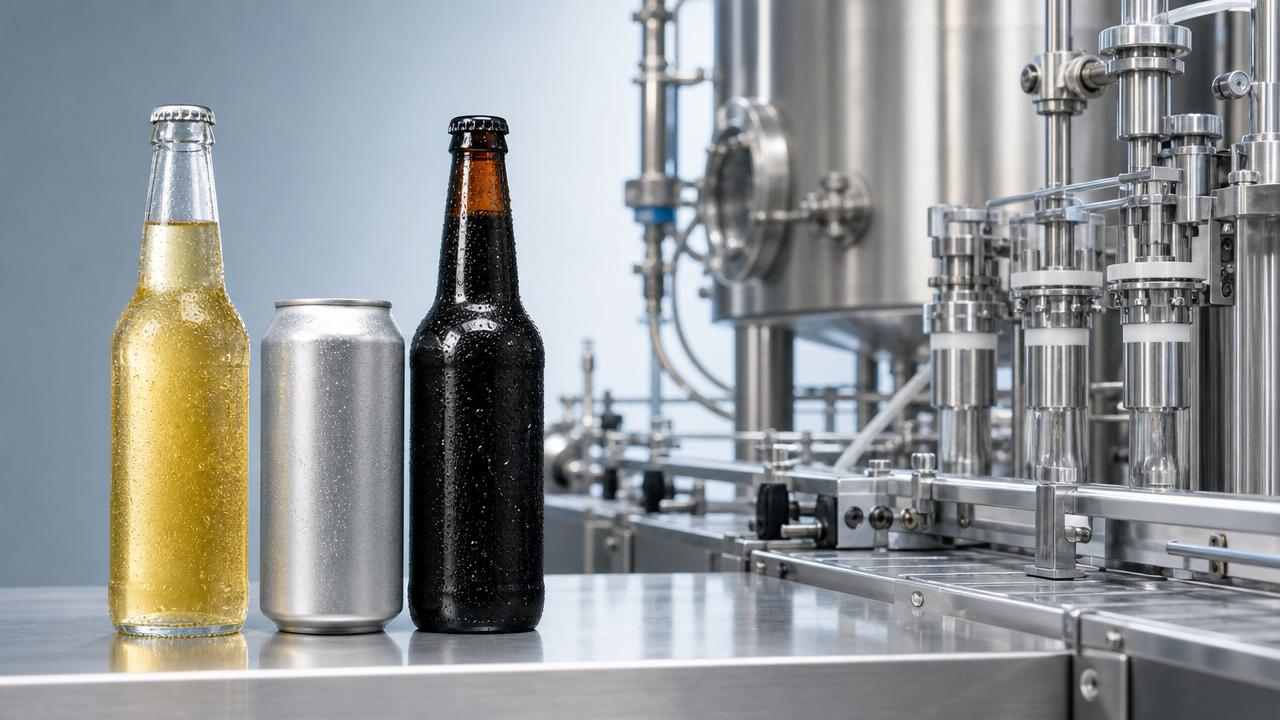
Launching a new beer brand demands more than great packaging—it requires true flavor innovation, speed-to-market, and scalable production. With Beer OEM custom from Jinpai Beer, emerging brands gain full creative control: from sugar-free low-calorie profiles to fruit-infused or functional specialty brews—all backed by craft R&D, flexible batch sizes, and global distribution readiness. Whether you're targeting bars, supermarkets, or DTC channels, our end-to-end OEM/ODM service turns your vision into shelf-ready reality—without brewing infrastructure or supply chain overhead.
Why Flavor Flexibility Isn’t One-Size-Fits-All
Beer OEM custom isn’t just about outsourcing production—it’s about matching technical capability to real-world business context. A startup launching via Instagram and local pop-ups has fundamentally different needs than a regional grocery chain testing private-label SKUs—or a wellness-focused beverage distributor building a functional beer line. What “flexibility” means shifts dramatically across these scenarios: for some, it’s rapid iteration on fruit-forward variants; for others, it’s strict compliance with sugar-free labeling standards or seamless integration into existing cold-chain logistics. Ignoring these contextual differences leads to mismatched MOQs, delayed launches, or formulations that miss consumer expectations entirely.
Four High-Impact Scenarios for Beer OEM Custom
Jinpai Beer’s Beer OEM custom framework is purpose-built for operational diversity. Below are the four most common—and most consequential—scenarios where our model delivers measurable advantage:
- Direct-to-Consumer (DTC) Launches: Brands selling online-first need small-batch agility (as low as 500L), fast turnaround (<6 weeks from recipe finalization), and label-ready compliance (FDA, EU, Health Canada). Flavor flexibility here centers on novelty, seasonality, and social-media-friendly profiles—think passionfruit-hibiscus sour or matcha-lavender lager.
- On-Premise Channel Expansion: Bars, taprooms, and hotel F&B teams prioritize draft-ready consistency, keg compatibility (1/6 BBL, 1/2 BBL), and service support (CO₂ specs, glassware pairing guidance). Flavor flexibility emphasizes drinkability, food pairing range, and low ABV options without sacrificing mouthfeel.
- Retail Private Label Programs: Supermarkets and convenience chains require certified allergen controls, scalable volumes (5,000L+ per SKU), multi-market labeling (bilingual, metric/imperial), and shelf-stable formats (cans with oxygen-barrier linings). Here, flexibility means modular base recipes—e.g., one clean lager platform adapted into classic, citrus zest, and zero-sugar versions.
- Functional & Specialty Line Development: Health-conscious distributors, gyms, or supplement retailers demand scientifically grounded formulations: clinically tested nootropic blends, electrolyte-enriched brews, or adaptogenic infusions. Flexibility here is biochemical—not just sensory—requiring GMP-aligned labs, stability testing, and regulatory dossier support.
How Needs Diverge Across Scenarios
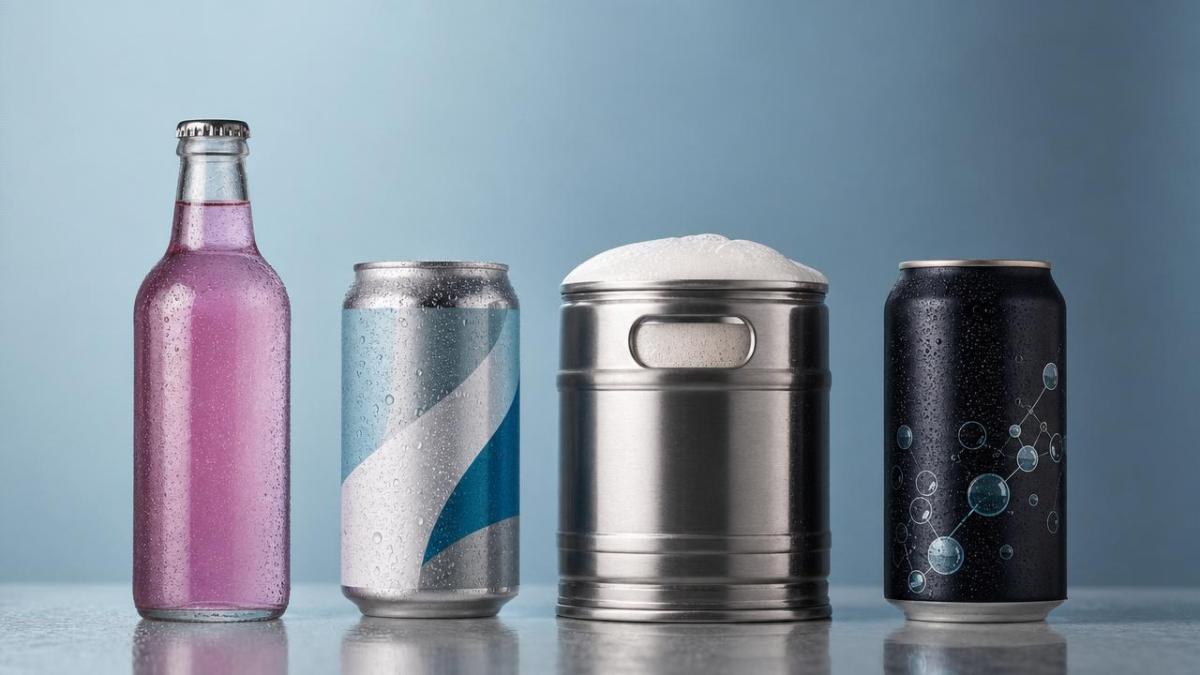
The table below highlights critical decision criteria by scenario—helping operators quickly assess fit before engagement:
What Most Operators Overlook (But Shouldn’t)
Three frequently underestimated factors separate successful Beer OEM custom partnerships from stalled projects:
- Label Compliance Readiness: Many assume “custom beer” includes turnkey labeling—but FDA nutrition facts, EU allergen declarations, and Canadian bilingual requirements vary by format (can vs. keg vs. bottle) and destination market. Jinpai provides pre-submission legal review, not just print files.
- Yeast Strain Ownership: For brands developing proprietary house strains (e.g., a tropical-ester wheat yeast), clarity on IP transfer or licensing terms is essential. We offer co-development agreements with documented strain provenance and storage protocols.
- Post-Launch Reformulation Pathways: Consumer feedback often triggers mid-cycle tweaks—lower bitterness, higher fruit intensity, reduced foam lag. Our process locks in revision windows (≤3 iterations per batch cycle) without retooling delays.
Your Next Step: Align Scope with Scenario
Before requesting a quote or sharing a flavor brief, ask yourself three scenario-specific questions:
- What’s my primary channel—and what does *it* require first? (e.g., “My DTC site goes live in 8 weeks—I need cans shipped by Day 42.”)
- Which flavor attributes are non-negotiable *for this audience*? (e.g., “My bar partners insist on 90+ IBU hop presence—but zero perceived bitterness.”)
- Where will I need third-party validation? (e.g., “My retailer requires NSF certification for all functional claims.”)
Jinpai Beer’s Beer OEM custom service begins with a 45-minute scenario alignment workshop—not a generic intake form. We map your channel, timeline, compliance landscape, and flavor ambition to a precise technical scope, MOQ recommendation, and launch roadmap. No boilerplate proposals. No assumptions. Just actionable flexibility, calibrated to how you actually operate.
Ready to test your concept against real-world constraints? Contact our OEM strategy team with your target scenario—and we’ll deliver a scoped feasibility assessment within 3 business days.
Thank you very much for writing to us. Please leave your message and contact information, we will reply to you within 24 hours.