



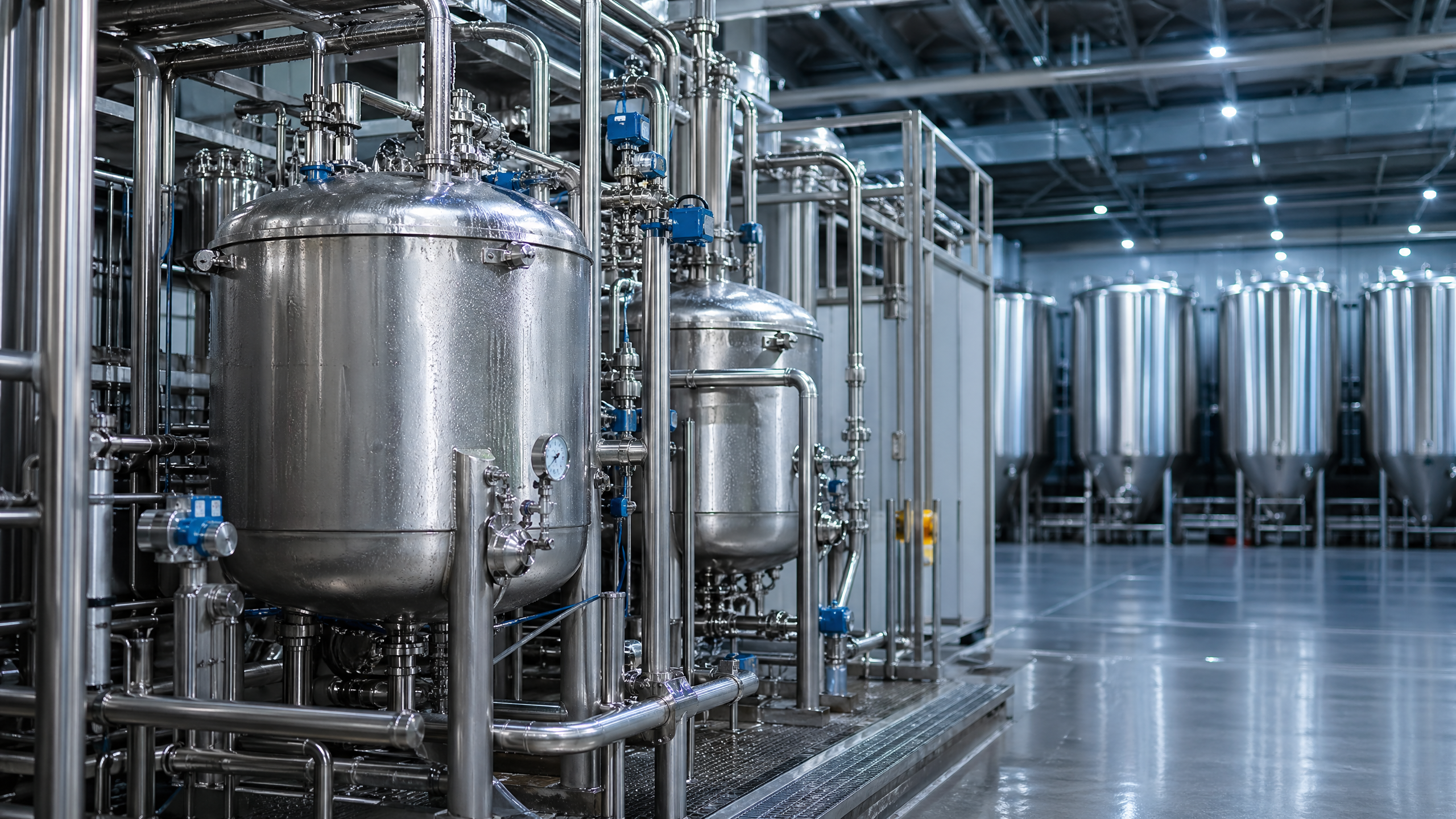
As production scales beyond 20,000 HL/year, CO₂ sourcing transforms from an operational detail into a strategic bottleneck — especially for Asia beer contract manufacturer partners serving European craft brewery, North American brewery, and Latin American brewery clients. At Jinpai Beer, our full-service brewing platform integrates sustainable CO₂ management with custom beer manufacturing, brewery outsourcing, beer OEM/ODM, and private label beer production — ensuring compliance, consistency, and scalability. For procurement professionals, decision-makers, and global distributors, mastering this lever means securing supply chain resilience without compromising quality or speed.
Why CO₂ becomes mission-critical at 20K+ HL/year
Above 20,000 hectoliters annually, CO₂ demand shifts from intermittent to continuous — typically exceeding 8–12 tons/month for lager-style fermentation alone. At this scale, reliance on bulk liquid CO₂ deliveries (3–5 ton cylinders) introduces three measurable risks: delivery delays (average 7–12 days lead time in ASEAN ports), purity variance (>99.9% food-grade required per ISO 8573-1:2010), and carbon footprint inflation (up to 2.3 kg CO₂e/kg delivered gas).
For contract manufacturers supporting international clients, inconsistent CO₂ supply directly impacts foam stability, carbonation accuracy (±0.05 vol CO₂ tolerance), and shelf-life validation — all subject to EU Regulation (EC) No 1333/2008 and FDA 21 CFR Part 184. A single batch rejection due to over-carbonation or haze formation can trigger 14–21 days of rework, costing up to $18,000 in labor, logistics, and lost opportunity.
Jinpai Beer mitigates this via on-site CO₂ recovery systems integrated into our 30,000 HL/year facility in Jiangsu. Our dual-path approach captures 65–70% of fermentation CO₂, purifies it to ≥99.995% purity (verified by third-party GC-MS analysis), and stores it in 5,000L ASME-coded vessels — enabling uninterrupted production across 4 shift cycles.
How CO₂ strategy affects your OEM/ODM partnership
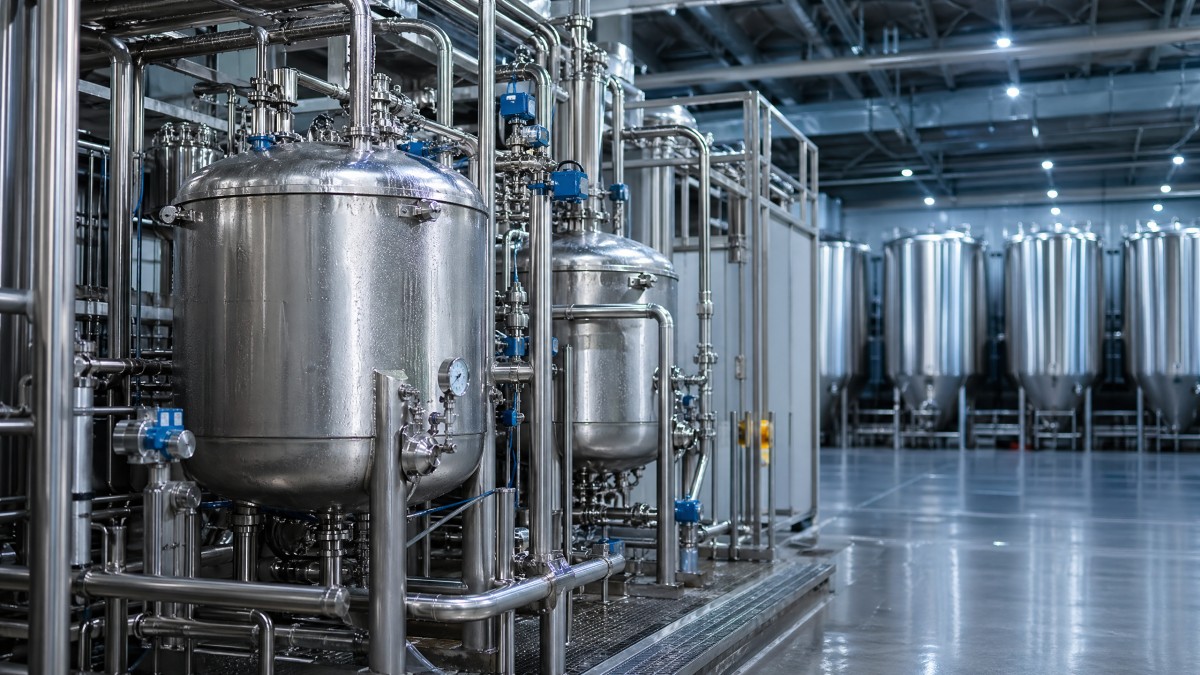
Contract brewing partnerships are only as resilient as their least-controlled input. When evaluating Asia-based beer contract manufacturers, procurement teams must assess CO₂ infrastructure not as a “nice-to-have”, but as a core component of technical due diligence — alongside brewhouse capacity, water treatment specs, and microbiological control protocols.
Below is how CO₂ capability maps to real-world OEM/ODM risk reduction:
This infrastructure enables us to support complex product portfolios — including low-ABV formulations requiring tighter CO₂ control — while maintaining strict adherence to client brand specifications. For example, our Sugar-Free Low-Calorie Beer line relies on sub-0.05 vol CO₂ consistency to preserve mouthfeel and prevent premature oxidation during 6-month shelf life testing.
What procurement teams should verify before engagement
When vetting Asia-based beer contract manufacturers for volume production, go beyond capacity sheets. Request documented evidence of the following five CO₂-specific capabilities:
- On-site CO₂ recovery rate (target: ≥65% of theoretical fermentation output)
- Purity certification frequency (minimum quarterly GC-MS reports)
- Storage capacity relative to 7-day production buffer (Jinpai: 5,000L = 10.2 days at 30K HL/year)
- Redundancy protocol (dual compressors, independent purification lines)
- Traceability system architecture (batch ID linked to CO₂ usage logs)
Note: Facilities relying solely on cylinder or bulk truck delivery cannot meet these benchmarks without significant cost premiums or service-level compromises — especially during Q3–Q4 peak season when port congestion extends CO₂ delivery windows by 5–9 business days.
Why partner with Jinpai Beer for scalable CO₂-integrated brewing
We don’t just brew beer — we engineer reproducible fermentation ecosystems. Our Jiangsu campus features ISO 22000-certified CO₂ recovery, dual-source nitrogen generation, and real-time dissolved CO₂ monitoring across all 12 fermenters (50–200 HL range). This allows us to guarantee:
- Consistent carbonation profiles across 100+ SKUs — from German wheat to functional specialty beers
- OEM/ODM project ramp-up in ≤21 days (including CO₂ system validation)
- Private label compliance with EU, US, and LATAM labeling & safety standards
- Scalable production from 5,000 to 45,000 HL/year without CO₂-related bottlenecks
Whether you’re launching a new Sugar-Free Low-Calorie Beer line in Southeast Asia or scaling craft exports from Mexico to Japan, our integrated CO₂ platform removes a critical variable from your supply chain — letting you focus on brand growth, not gas logistics.
Contact us today for a technical briefing, CO₂ capacity audit, or sample production run — all supported by dedicated engineering and QA teams fluent in English, Spanish, and Mandarin.
Thank you very much for writing to us. Please leave your message and contact information, we will reply to you within 24 hours.