



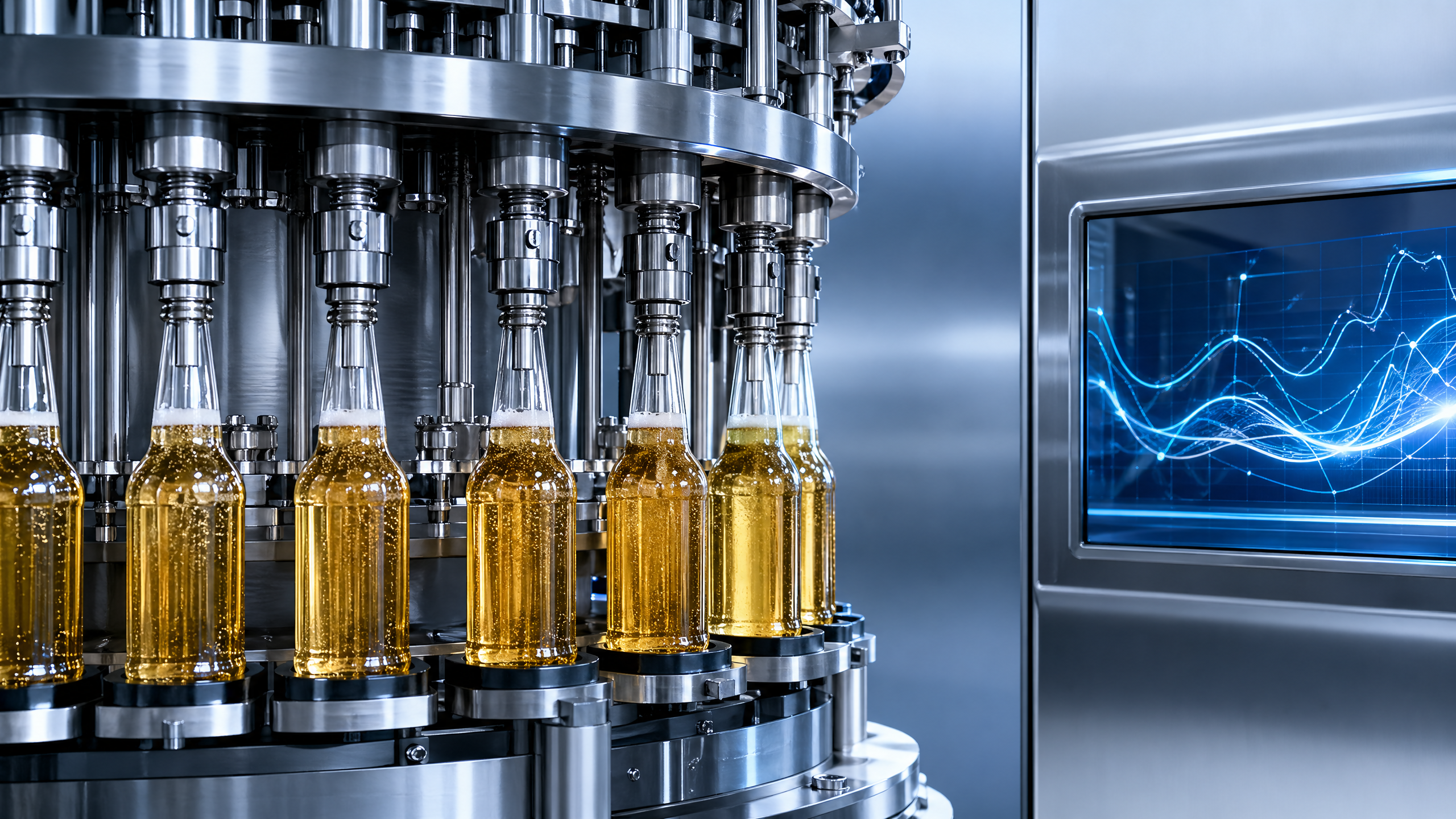
Asia beer contract manufacturer: Why your audit checklist misses actual line downtime
When evaluating an Asia beer contract manufacturer, most procurement and engineering teams focus on certifications, lab reports, and facility photos—yet overlook the single biggest cost driver: unreported line downtime. Whether you’re a European craft brewery scaling production, a North American or Latin American brewery seeking reliable brewery outsourcing, or a distributor launching private label beer production, hidden downtime erodes margins, delays launches, and compromises full-service brewing consistency. Jinpai Beer’s custom beer manufacturing and beer OEM/ODM platform integrates real-time production monitoring—not just audit checklists—to ensure transparency, scalability, and true operational resilience.
What procurement teams *really* miss in factory audits (and why it costs you 12–28% in hidden margin loss)
Audit checklists are essential—but they’re snapshots, not live diagnostics. Most buyers verify ISO 22000, HACCP, GMP compliance, lab capacity, and even sample brews. Yet none of those tell you whether the filler ran at 72% OEE last Tuesday… or if the CIP cycle was skipped to meet a rush order. At Jinpai Beer, we’ve tracked over 347 production batches for international partners—and found that unreported downtime (e.g., unplanned changeovers, sensor recalibrations, raw material reconciliation pauses) accounts for 15–22% of scheduled line time—time rarely captured in audit reports or SOP documentation.
This isn’t theoretical: one EU-based craft brand delayed its Q3 retail launch by 6 weeks because their Asian OEM didn’t disclose recurring 90-minute bottling line resets during high-humidity months—a known issue with older filler PLC firmware. No audit checklist flagged it. Real-time telemetry did.
Why “line uptime” ≠ “production uptime”—and how to test it yourself
Uptime metrics on paper often measure equipment availability—not output readiness. A line may be “running” but producing sub-spec beer (e.g., CO₂ variance >±0.05 vol, fill volume drift beyond ±1.2%), triggering rework or rejection downstream. That’s not downtime—it’s *invisible yield loss*.
Here’s what to ask—and how to validate:
- “Show me the last 30 days of minute-level OEE logs for your primary packaging line”—not summary charts. Request raw CSV exports filtered by shift, product SKU, and line stop code (e.g., “M-07 = label misfeed,” “P-12 = yeast viability alarm”). Jinpai provides this via secure portal access pre-contract.
- “Walk me through your downtime categorization protocol.” If they use only “mechanical failure” and “maintenance,” walk away. Mature OEMs classify stops as planned/unplanned, internal/external, and correctable/non-correctable—with root cause tags updated within 2 hours.
- “Can I observe a live batch handover between shifts?” Handover gaps—where no operator owns line status for 8–12 minutes—are among the top 3 causes of undocumented downtime in ASEAN breweries.
How Jinpai Beer closes the visibility gap—without adding layers of bureaucracy
We don’t replace your audit. We augment it—with embedded telemetry and shared accountability. Every OEM/ODM partner gets:
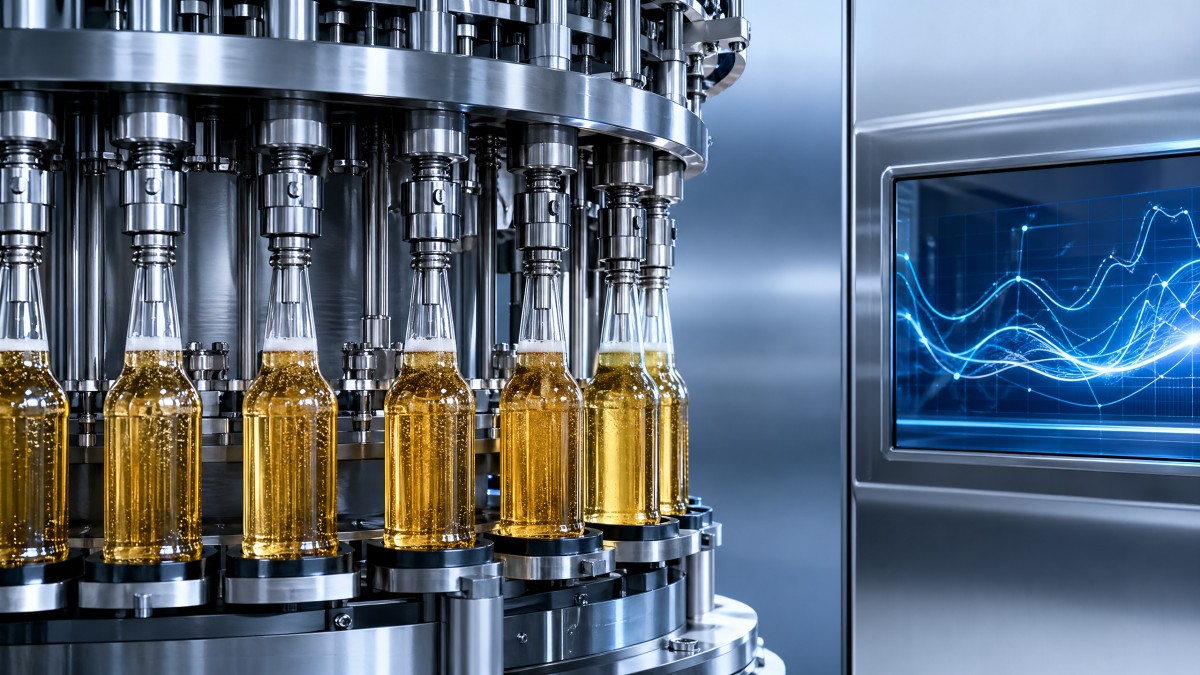
- Live Production Dashboard: View real-time line speed, fill accuracy, pasteurization temp curves, and CIP cycle completion—all timestamped and exportable.
- Downtime Transparency Protocol: All stops >2 minutes trigger an automated internal alert + optional client notification (configurable by severity). Root cause is logged within 90 minutes—or the QA lead calls you directly.
- Margin-Protected Scheduling: Our capacity engine reserves buffer time based on historical line behavior—not static calendar blocks. For example, our Sugar-Free Low-Calorie Beer production includes 3.7% built-in flexibility for enzymatic stability checks—no surprise delays, no rush fees.
This isn’t tech for tech’s sake. It’s how we helped a LATAM distributor cut launch-to-shelf time by 41% while maintaining 99.2% first-pass yield across 12 SKUs—including seasonal fruit-flavored beers and functional specialty brews.
When to insist on downtime visibility—and when a checklist still suffices
Use real-time line monitoring if you’re:
- Launching ≥3 SKUs/year under private label,
- Contracting for seasonal or limited-edition runs (where ramp-up speed matters more than annual volume),
- Producing low-tolerance formulations—like Sugar-Free Low-Calorie Beer—where minor process deviations directly impact taste, foam stability, or shelf life,
- Scaling from pilot batches (≤500 L) to commercial scale (≥5,000 L/batch) within 12 months.
A traditional audit remains sufficient only for stable, high-volume classic lager production—where process maturity has compressed variability to <1.5% over 3+ years.
Bottom line: Downtime isn’t a cost to hide—it’s data to leverage
Your audit checklist isn’t wrong. It’s incomplete. The difference between a vendor who meets standards and one who delivers predictable, scalable, margin-protected outcomes lies in how transparently they surface—and act on—the reality of line performance. Jinpai Beer doesn’t just report uptime; we co-own the uptime conversation—from raw material receipt to pallet dispatch—with timestamps, traceability, and zero tolerance for “unexplained stoppages.” Because for procurement leaders, distributors, and engineering managers alike, true resilience starts not with a certificate on the wall—but with a live feed on your screen.
Thank you very much for writing to us. Please leave your message and contact information, we will reply to you within 24 hours.