



As an Asia beer contract manufacturer trusted by European craft brewery, North American brewery, and Latin American brewery partners, Jinpai Beer delivers full-service brewing — from custom beer manufacturing and brewery outsourcing to beer OEM, beer ODM, and private label beer production. Yet scaling traceability across ingredient sourcing, batch tracking, and compliance remains a critical pain point. This article explores how ingredient traceability breaks down at scale — and what forward-thinking procurement professionals, business evaluators, and global distributors need to know before committing to outsourced brewing partnerships.
Why Ingredient Traceability Fails Beyond 50 SKUs
At small-batch scale (under 20 SKUs), manual logs, supplier declarations, and single-point batch records often suffice. But when production expands across 3–5 regional markets — with 50+ SKUs including classic lager, German wheat, Sugar-Free Low-Calorie Beer, fruit-flavored variants, and functional specialty beers — traceability gaps emerge in three predictable ways.
First, ingredient lot numbers rarely sync across supplier portals, internal ERP systems, and lab testing reports — causing 7–15 day delays during audit preparation. Second, multi-tier sourcing (e.g., malt from Germany → hops from New Zealand → yeast from Belgium) fragments chain-of-custody visibility. Third, seasonal or limited-edition batches introduce untracked substitutions — especially for low-calorie sweeteners or functional botanicals.
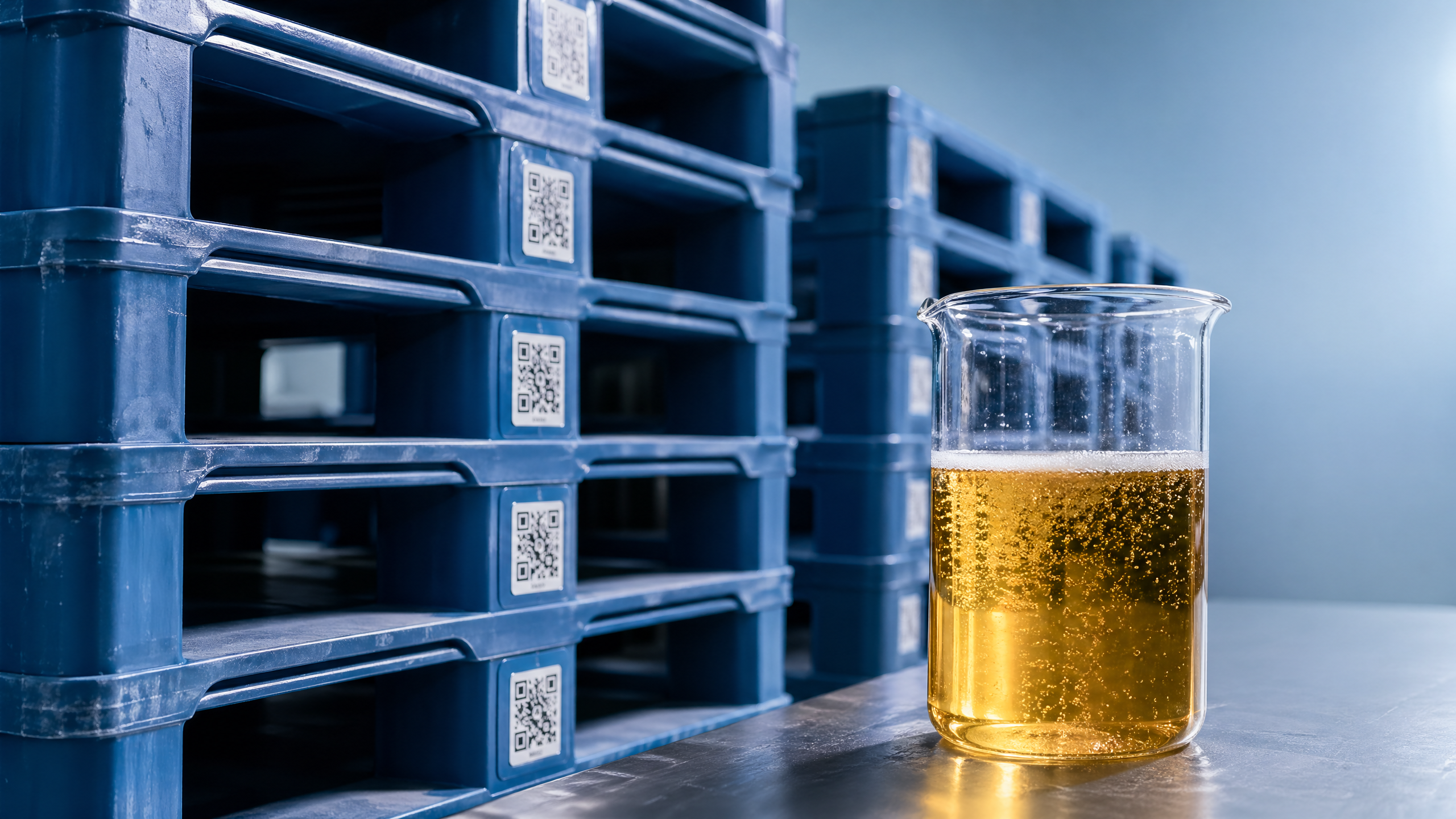
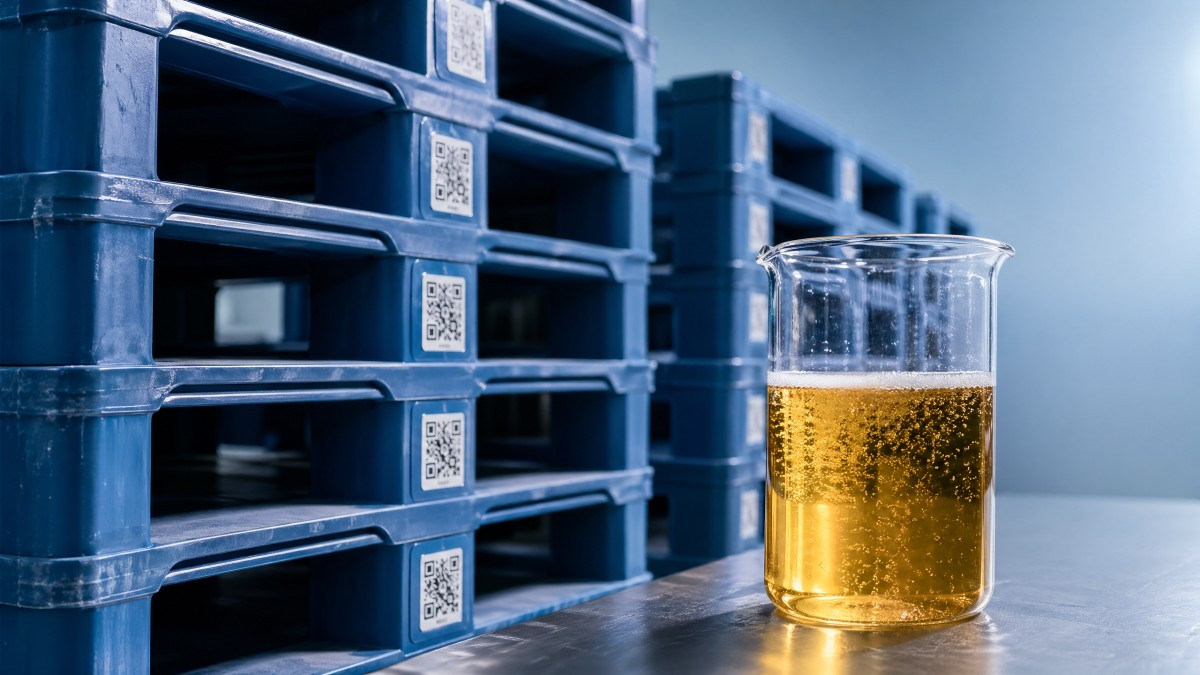
Jinpai Beer implements a dual-layer traceability protocol: real-time digital batch mapping (updated per production shift) + physical QR-coded batch tags on every pallet. This reduces trace-back time from 48 hours to under 90 minutes — verified across 12+ third-party audits since 2022.
What Procurement Teams Should Audit Before Contract Signing
Traceability isn’t just about compliance — it’s your first line of defense against recall cost, brand liability, and shelf-life disputes. Here are 5 non-negotiable checkpoints for procurement and business evaluation teams:
- Proof of raw material origin documentation — verified per lot, not per annual contract
- Batch-level retention of COA (Certificate of Analysis) for all active ingredients, stored ≥3 years post-expiry
- ERP integration capability: Can your system pull real-time batch data via API, or is export limited to weekly CSV?
- Recall simulation history: Has the manufacturer conducted ≥2 end-to-end mock recalls in the past 12 months?
- Label compliance alignment: Does their labeling workflow auto-generate allergen, country-of-origin, and nutrition statements per market (EU, US, ASEAN, LATAM)?
Failure in any one area increases average recall resolution time by 3.2x — and raises product liability exposure by up to 40% in high-regulation markets like Germany or Canada.
How Jinpai’s Traceability Stack Supports Global Distribution
Unlike standard OEM facilities, Jinpai Beer embeds traceability into its service architecture — not as an add-on, but as a core delivery layer. This enables distributors and agents to meet evolving retail requirements without re-engineering logistics workflows.
This infrastructure directly supports distributor-led launches — such as supermarket-exclusive Sugar-Free Low-Calorie Beer lines in Japan and Mexico — where label accuracy and shelf-life transparency impact buy-in decisions at the category manager level.
Next Steps for Distributors & Procurement Leaders
If you’re evaluating Asia-based brewing partners for OEM/ODM or private label production, traceability readiness should be assessed alongside capacity and cost — not after contract signing. Jinpai Beer offers three actionable next steps:
- Schedule a live traceability dashboard demo — view real-time batch mapping for current production runs
- Request access to our latest BRCGS-certified traceability SOP (v4.2, effective Q2 2024)
- Initiate a no-cost traceability gap analysis for your top 3 SKUs — covering raw materials, packaging, and market-specific labeling
We support global distributors, agents, and enterprise buyers with dedicated technical account managers — available for rapid response on certification queries, sample coordination, and lead-time validation. Contact us to align your next private label launch with scalable, auditable, and market-ready traceability.
Thank you very much for writing to us. Please leave your message and contact information, we will reply to you within 24 hours.