



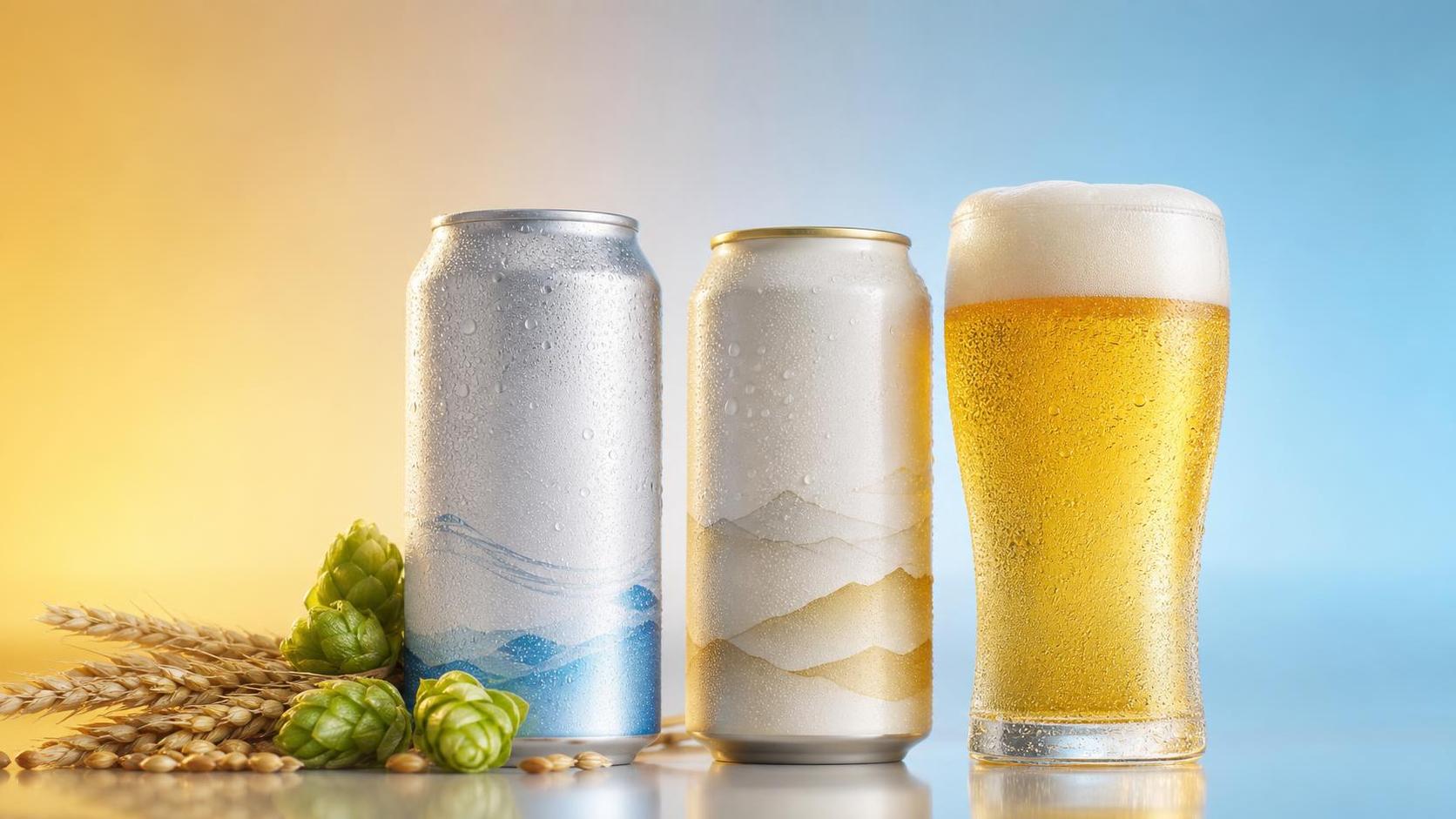
Zero-carb beer is not just “lighter beer with a new label”
That is the first point worth clearing up. In everyday conversation, people often use zero-carb beer and light beer almost interchangeably because both sound like lower-burden choices. In product development and retail positioning, though, they answer different questions. Zero-carb beer is built around carbohydrate reduction as the main claim. Light beer is a broader category, usually associated with a lighter body, lower calories, lower alcohol, or a milder drinking experience, depending on the market and the brand.
So when someone asks what zero-carb beer is, the practical answer is this: it is beer formulated and brewed so that the measurable carbohydrate content is extremely low, and in some markets low enough to be labeled as zero under local food-label rules. That sounds simple, but it immediately introduces an important caveat. “Zero” on a label does not always mean absolute chemical absence. It often means the product falls below a threshold defined by the applicable regulation. If you want to compare products seriously, the nutrition panel and the local labeling standard matter more than the headline on the can.
This is one reason the category attracts both interest and confusion. Consumers may assume the beer is sugar-free, calorie-free, or alcohol-free. None of those conclusions is automatically true.
What brewers are really changing
Beer carbohydrates come mainly from the brewing process itself. Malted grains contribute starch, enzymes convert much of that starch into fermentable sugars, and yeast turns a large portion of those sugars into alcohol and carbon dioxide. What remains after fermentation includes residual sugars and other dissolved solids that influence sweetness, fullness, and body.
To produce a zero-carb or near-zero-carb beer, a brewer usually pushes fermentation further or designs the process to leave less residual carbohydrate behind. That can involve recipe adjustment, enzyme use, yeast selection, or a combination of methods. The exact approach varies by brewery and by the style being targeted. A crisp lager-style product is generally easier to adapt to this goal than a full-bodied wheat beer or a hazy, malt-forward craft style, because those styles often rely on texture and residual extract that are harder to preserve when carbs are stripped back.
This is where industry experience matters. Reducing carbs is not only a nutritional exercise; it changes flavor architecture. Once residual sugars and dextrins are lowered, the beer can lose roundness, finish shorter on the palate, and show bitterness more directly. Brewers who work in low-carb, sugar-free, and low-calorie segments spend a lot of time balancing that tradeoff. A drinkable result depends on more than the claim on the front label.
How it differs from light beer in practice
Light beer is a category with looser boundaries. In some markets, “light” mainly signals fewer calories than the brand’s standard version. In others, it may suggest lower alcohol, a paler taste profile, or simply a more approachable mainstream lager. That means a light beer can still contain noticeable carbohydrates, and a zero-carb beer can still feel more intense than a typical light beer if the alcohol level or hop expression remains relatively high.
The overlap is real, but it is not complete. Many zero-carb beers are also light in calories compared with regular beer, because carbohydrates contribute to caloric load. Still, alcohol itself carries calories, so a beer can be low in carbs without being exceptionally low in total energy if its alcohol content stays moderate or high.
Why the calorie question is more nuanced than it seems
A common consumer shortcut is to treat carb-free and low-calorie as the same thing. In beer, that only works up to a point. Residual carbohydrates do affect calories, but alcohol is still a major contributor. If a brewer removes most of the carbs yet keeps a standard-strength alcohol level, the calorie reduction may be meaningful without being dramatic. If the product also lowers alcohol, then the calorie drop tends to be more noticeable.
This is why label-reading matters more than category labels. Two products can sit next to each other in the “better-for-you beer” shelf set, and one may be optimized for carbs while the other is optimized for calories. They are adjacent concepts, not identical ones.
Taste is usually where the real comparison happens
Most people do not keep buying beer because of a nutrition panel alone. Repeat purchase depends on whether the sensory compromise feels acceptable. Zero-carb beer typically drinks drier than regular lager and may come across as lean, crisp, or sharply clean. For some consumers, that is exactly the appeal. For others, especially those who enjoy malt sweetness, breadiness, or creamy body, the same profile can feel thin.
Light beer often has an easier job here because its target is not always strict carb elimination. Brewers may retain more softness or body while still keeping the overall product lighter than a flagship lager. In commercial terms, that means light beer often serves the broad middle of the market, while zero-carb beer is usually a more deliberate choice tied to diet goals, macro tracking, or sugar-conscious consumption habits.
That does not mean zero-carb products are niche by definition. The category has widened as breweries improve formulation and as drinkers become more used to “functional” beer segments such as low-calorie, sugar-free, fruit-infused, and sessionable products. In those settings, zero-carb beer sits less as an oddity and more as one branch of a broader better-for-you portfolio.
The labeling issue readers should not skip
One of the most useful ways to understand this category is to separate product reality from marketing language. “Zero-carb,” “carb-free,” “low-carb,” “sugar-free,” and “low-calorie” are not interchangeable claims, and they may be governed differently depending on where the beer is sold. A brewery making products for multiple export markets has to pay attention to local requirements for nutritional declaration and claim wording. What qualifies in one market may need different labeling in another.
For importers, distributors, and private-label buyers, this is not a minor packaging detail. It affects compliance, positioning, and consumer trust. In practical sourcing conversations, experienced buyers often ask not only whether a beer is zero-carb, but also what analytical basis supports the claim, which market standard the label follows, and whether the product was designed for a specific retail channel or consumption occasion.
Who tends to choose zero-carb beer, and who usually prefers light beer
The target users overlap, but the motivation is usually different.
Zero-carb beer often attracts drinkers who are paying attention to carbohydrate intake specifically. That may include consumers following low-carb eating patterns, people who want a cleaner fit with gym-oriented lifestyles, or those who simply want beer options that align with lower-sugar everyday habits. Their purchase decision is often claim-led first and taste-confirmed second.
Light beer more often appeals to drinkers looking for ease: lower heaviness, less palate fatigue, a session-friendly profile, or a lower-calorie option without the expectation of strict carb removal. In bars, restaurants, and mainstream retail, this makes light beer easier to explain quickly. Zero-carb beer usually needs a more precise message, because consumers bring more assumptions to it.
A few misconceptions worth dropping
One: zero-carb beer is not necessarily healthier in every sense. It may fit certain dietary preferences better, but that does not turn it into a universal better choice for every drinker.
Two: it is not automatically sugar-free in the way consumers often imagine. In many beers, sugar behavior is tied to fermentation and residual extract, and the final claim depends on formulation and regulation, not just on a casual reading of the product style.
Three: lower carbs do not guarantee satisfying flavor. Good zero-carb beer requires technical control and careful sensory balancing. Some products manage this well; others drink like stripped-down lagers with little depth.
Four: light beer is not an outdated category displaced by zero-carb beer. The two coexist because they solve different consumer demands.
What matters when evaluating the category
If the goal is understanding rather than impulse buying, four checkpoints are more useful than the front-label claim alone: carbohydrate declaration, calorie level, alcohol content, and style expectation. A dry lager marketed as zero-carb should be judged differently from a broader “light” line extension intended for mass-session drinking. They may share shelf space, but they are not aiming at the same drinking experience.
For trade buyers and brand owners, another factor enters the picture: whether the producer can consistently build better-for-you beer profiles across formats and channels. Breweries with experience in low-calorie, sugar-free, fruit-flavored, and specialty functional beer development are often better positioned to fine-tune taste while meeting a specific brief, especially in OEM or ODM projects where the nutrition target and market positioning need to be aligned from the start.
In the end, zero-carb beer makes the most sense when you read it as a technical and commercial category, not just a catchy consumer phrase. It is beer shaped around carbohydrate reduction, with all the brewing and sensory consequences that come with that decision. Light beer remains a broader, more flexible category built around drinkability and moderation. If you know which problem each one is trying to solve, the comparison becomes much clearer and the label says a lot more than “lighter” ever could.
Thank you very much for writing to us. Please leave your message and contact information, we will reply to you within 24 hours.