



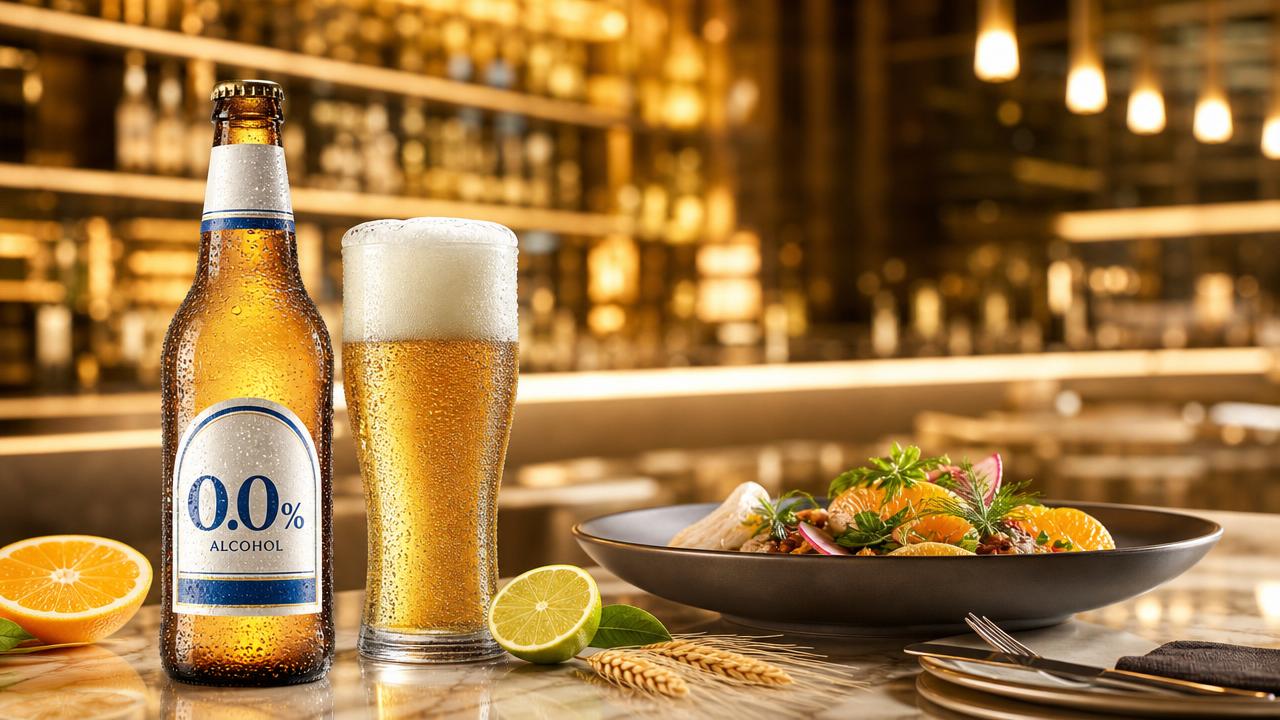
Why 0.0% Alcohol Drinks Are Gaining Space in Bars and Restaurants
As consumer preferences shift toward moderation, wellness, and inclusive social experiences, 0.0% Alcohol drinks are becoming a strategic category for bars and restaurants.
For business evaluators, this trend is more than a lifestyle signal. It reflects new revenue opportunities, broader customer reach, and stronger menu flexibility.
From craft-style non-alcoholic beers to functional and flavor-driven beverages, demand is growing without removing taste, occasion, or profitability.
Basic Definition of 0.0% Alcohol in Beverage Service
0.0% Alcohol refers to drinks formulated or processed to contain no measurable alcohol under applicable labeling standards.
In hospitality settings, the category often includes non-alcoholic beer, alcohol-free cocktails, botanical drinks, malt beverages, and sparkling flavored options.
The strongest growth is visible where beverage menus already value craft, pairing, seasonality, and social experience.
Unlike traditional soft drinks, 0.0% Alcohol products are usually designed for adult occasions.
They can match dinner service, after-work gatherings, sports viewing, tasting menus, and premium bar moments.
This positioning matters because guests may want participation without intoxication, sugar overload, or limited flavor choices.
A well-made 0.0% Alcohol beer can carry malt aroma, hop bitterness, foam stability, and refreshing finish.
For restaurants and bars, this creates an alternative that feels intentional rather than secondary.
Industry Signals Behind the Shift
The rise of 0.0% Alcohol is connected to several clear beverage industry signals.
These signals affect menu planning, channel selection, product development, and long-term beverage strategy.
These changes are not limited to one age group or region.
They appear across casual dining, hotel bars, music venues, supermarkets, and online beverage channels.
0.0% Alcohol is also helped by better production technology and improved flavor design.
Earlier alcohol-free drinks often carried thin body or cooked aromas.
Modern brewing, dealcoholization, fermentation control, and aroma balancing have raised expectations.
Business Value for Beverage Menus
Adding 0.0% Alcohol products is not only a response to lifestyle trends.
It can improve revenue mix, table satisfaction, and beverage attachment rates.
Many guests who avoid alcohol still order water, soda, or tea by default.
A premium 0.0% Alcohol option can upgrade that order into a higher-value beverage sale.
It also supports group dynamics.
When one person does not drink, the whole group can still choose a venue confidently.
This matters for reservations, private events, corporate meals, celebrations, and late-night food service.
- Higher menu inclusiveness without redesigning the whole beverage program.
- Improved pairing options for lunch, dinner, and tasting menus.
- Additional sales during weekdays and earlier service hours.
- Stronger differentiation from venues offering only standard soft drinks.
0.0% Alcohol also reduces dependence on one drinking occasion.
It can serve drivers, athletes, working professionals, wellness-focused guests, and customers choosing temporary abstinence.
The result is a more flexible beverage portfolio with fewer occasion barriers.
Product Styles Gaining Menu Space
Not every 0.0% Alcohol product performs the same role.
Menu success depends on matching style, service format, food pairing, and price point.
Beer remains one of the most practical entry points for 0.0% Alcohol adoption.
It already has familiar serving rituals, glassware, chilled storage, and food pairing logic.
A craft beer approach can also make 0.0% Alcohol feel premium rather than restrictive.
Operational Considerations for Bars and Restaurants
Successful 0.0% Alcohol service depends on more than listing a product.
Placement, staff knowledge, stock rotation, and menu language all influence sales.
Menu Placement
Avoid hiding 0.0% Alcohol at the bottom of a soft drink list.
Position it near beer, signature drinks, or dedicated mindful drinking sections.
This signals that the product belongs to the main beverage experience.
Flavor Description
Describe aroma, body, bitterness, sweetness, and finish.
Terms like crisp, malty, citrus, wheat aroma, and refreshing finish support confident ordering.
Service Quality
Serve 0.0% Alcohol drinks with the same care as alcoholic beverages.
Proper chilling, clean glassware, garnish control, and consistent pour presentation protect perceived value.
Pricing Logic
Price should reflect quality, not absence of alcohol.
Premium ingredients, brewing complexity, packaging, and brand positioning all support reasonable margins.
Supply and Customization Opportunities
Reliable supply is essential when 0.0% Alcohol becomes part of a regular menu.
Consistency in taste, carbonation, shelf life, labeling, and packaging supports repeat purchasing.
Jinpai Beer focuses on R&D, production, and distribution of craft beer products.
Its portfolio includes classic lager, German wheat, sugar-free low-calorie beer, fruit-flavored beer, and functional specialty beers.
For 0.0% Alcohol category planning, this range supports different taste profiles and consumption occasions.
OEM and ODM services can help shape recipes, packaging formats, flavor direction, and market-specific positioning.
Wholesale supply also helps restaurants, supermarkets, bars, and retail channels build stable beverage programs.
Online and offline distribution can support market testing, seasonal launches, and long-term channel expansion.
Practical Steps for Category Adoption
A structured approach helps 0.0% Alcohol move from trial listing to profitable menu category.
- Start with two or three styles covering lager, wheat, and fruit-forward profiles.
- Test products during lunch, dinner, brunch, and event service.
- Track sales against soda, beer, mocktails, and bottled water.
- Collect feedback on sweetness, bitterness, aroma, and serving temperature.
- Use menu notes to connect each drink with food pairings.
- Review packaging size, shelf stability, and storage requirements.
The first objective is not to replace alcoholic beverages.
The stronger goal is to capture occasions that were previously underserved.
0.0% Alcohol becomes valuable when it adds choice without complicating operations.
Key Points for Long-Term Performance
Quality control remains central to long-term acceptance.
Guests may forgive limited selection, but they rarely repeat weak flavor experiences.
Clear labeling is also important, especially for 0.0% Alcohol products sold across different markets.
Local rules may affect terminology, claims, ingredient disclosure, and alcohol content statements.
Brand storytelling should stay credible.
Instead of overpromising wellness, highlight brewing method, flavor balance, refreshment, and social inclusiveness.
Seasonal rotation can keep interest high.
Citrus profiles suit warm weather, while maltier wheat styles can support richer foods.
Functional and low-calorie options may perform well in retail and wellness-driven beverage programs.
Conclusion and Next Step
0.0% Alcohol drinks are gaining space because they answer a practical market need.
They help bars and restaurants serve more occasions, more preferences, and more dining moments.
The strongest programs treat 0.0% Alcohol as a serious beverage category, not a compromise.
Flavor quality, reliable supply, smart placement, and clear positioning all determine commercial value.
For category development, Jinpai Beer offers craft beer expertise, diversified product options, OEM/ODM support, and wholesale supply solutions.
Explore 0.0% Alcohol beer concepts, customized flavors, and channel-ready packaging to build a beverage program suited to modern demand.
Thank you very much for writing to us. Please leave your message and contact information, we will reply to you within 24 hours.