



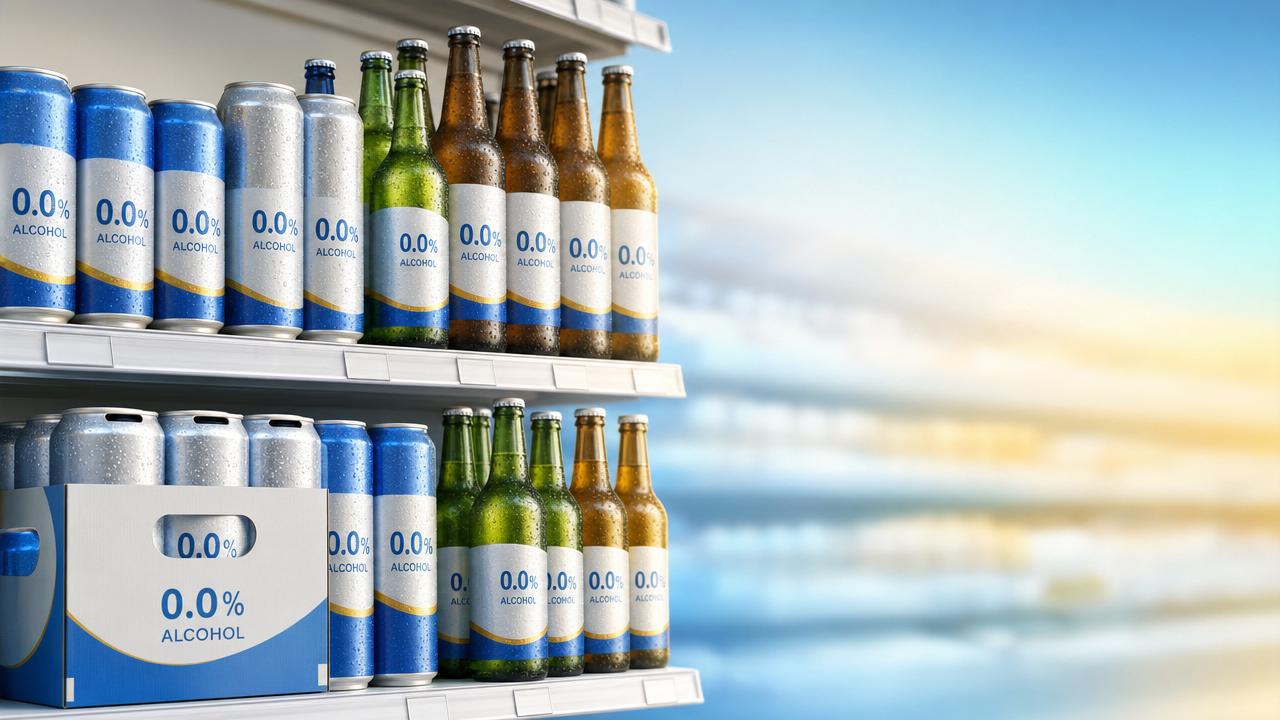
As demand for mindful drinking grows, procurement teams need a clear strategy for selecting 0.0% Alcohol beverages that sell well, fit shelf space, and meet consumer expectations. From flavor performance and packaging appeal to supplier reliability and private-label flexibility, the right choices can help retailers capture new shoppers while reducing inventory risk. This guide highlights key factors buyers should evaluate when sourcing alcohol-free beer and related beverages for supermarkets, bars, restaurants, and multi-channel retail operations.
For buyers, the category is no longer a small seasonal add-on. 0.0% Alcohol products now serve weekday occasions, lunch menus, family gatherings, fitness-oriented lifestyles, and responsible social drinking. The challenge is choosing SKUs that can move steadily across 4 to 12 months, not only during promotional peaks.
Understanding the Retail Opportunity for 0.0% Alcohol Beverages
Before negotiating price or carton volume, procurement teams should define where 0.0% Alcohol beverages fit in their retail strategy. A supermarket, bar, restaurant, and e-commerce store may all need different pack sizes, flavor profiles, and display logic.
Why the Category Matters to Buyers
Alcohol-free beer and related beverages can attract shoppers who avoid alcohol, reduce alcohol intake, drive after meals, or prefer lighter options. In retail planning, this means the category can support both beer aisle traffic and soft drink adjacency.
A practical shelf test usually starts with 3 to 6 core SKUs, including lager-style, wheat-style, fruit-flavored, and low-calorie variants. This range is broad enough to compare shopper response without creating excessive stock complexity.
Key Consumption Scenarios
- Weekday meals where consumers want beer taste without alcohol impact.
- Bars and restaurants serving designated drivers or mixed drinking groups.
- Supermarkets building a mindful drinking shelf with 330ml and 500ml packs.
- Online retailers testing multipacks, gift packs, and private-label beverages.
The strongest performers are often those that look familiar, taste balanced, and communicate clearly. If the label, carton, or product description does not state 0.0% Alcohol visibly, shoppers may hesitate or compare it with ordinary beer incorrectly.
Evaluate Flavor, Formula, and Product Positioning
Taste is the first repeat-purchase driver. Buyers should sample each 0.0% Alcohol option at 3 temperatures: chilled, lightly chilled, and room temperature. This reveals whether malt aroma, carbonation, sweetness, and aftertaste remain acceptable in real retail conditions.
Flavor Profiles That Fit Retail Shelves
A balanced portfolio should include at least 2 familiar beer-style profiles and 1 to 2 differentiated choices. Classic lager offers easy entry, German wheat supports fuller mouthfeel, and fruit-flavored beer can attract younger or casual beverage shoppers.
Sugar-free low-calorie beer is also important for health-conscious customers. Procurement teams should review calories per 100ml, sugar level, sweetness source, and whether the taste remains clean after 2 or 3 sips.
Practical Product Comparison
The following table outlines common 0.0% Alcohol beverage types and how buyers can position them across different channels. It is useful when building a first assortment or refreshing slow-moving SKUs.
The table shows that no single SKU can cover every buyer need. A reliable assortment usually combines a mainstream 0.0% Alcohol lager with one premium or lifestyle variant to improve category visibility.
Recommended Sensory Checks
- Assess aroma within 30 seconds after opening to detect freshness and malt character.
- Check carbonation after 5 minutes to understand dining-table performance.
- Compare sweetness and bitterness across 3 sample batches when possible.
- Review whether the beverage pairs with snacks, grilled food, salads, or lunch menus.
For foodservice buyers, sensory stability matters more than a single impressive sample. A beverage that remains pleasant across a 20-minute meal period is often more valuable than one with a strong first sip only.
Check Packaging, Shelf Fit, and Merchandising Value
Packaging can decide whether a 0.0% Alcohol beverage is noticed, trusted, and repurchased. Procurement teams should review visual identity, barcode readability, carton strength, pallet efficiency, and display compatibility before confirming an order.
Label Clarity and Consumer Confidence
The alcohol-free claim should be prominent on the front label, not hidden in small text. Many retailers prefer 0.0% Alcohol wording, clear flavor naming, nutritional information, and simple serving guidance on the pack.
For private-label projects, buyers should request 2 to 3 packaging mockups before production. This helps compare shelf visibility under lighting, distance, and mixed-category placement where beer, soda, and energy drinks compete.
Shelf and Logistics Considerations
Retailers should check case count, carton dimensions, stacking strength, and pallet loading. A beverage that looks attractive but causes breakage, unstable stacking, or inefficient warehouse handling can raise hidden costs.
- Common retail can sizes include 250ml, 330ml, and 500ml, depending on consumption occasion.
- A typical shelf trial may use 1 to 2 facings per SKU for the first 8 weeks.
- Outer cartons should support handling through warehouse, store replenishment, and delivery routes.
- Online channels should test drop resistance and leakage risk before full rollout.
If shelf space is limited, choose fewer SKUs with stronger rotation data rather than many novelty flavors. For bars and restaurants, refrigeration footprint and back-bar visibility are often more important than carton graphics.
Assess Supplier Capability, OEM/ODM Flexibility, and Risk Control
A strong 0.0% Alcohol program depends on more than product taste. Procurement teams also need consistent production, responsive communication, export experience, and the ability to support branded, wholesale, or customized beverage solutions.
What to Ask Before Placing an Order
Buyers should request clear information on MOQ, sample timing, production lead time, packaging options, and quality inspection steps. For new private-label development, a 2 to 4 week sampling and confirmation cycle is common.
Jinpai Beer supports R&D, production, wholesale supply, OEM/ODM services, and customized solutions for craft beer categories. Its product direction covers classic lager, German wheat, sugar-free low-calorie beer, fruit-flavored beer, and functional specialty beers.
Procurement Decision Matrix
The table below can help purchasing teams compare suppliers for 0.0% Alcohol beverages using measurable criteria instead of relying only on quoted price or sample appearance.
A supplier that can coordinate formula, packaging, and delivery reduces operational friction. For procurement teams handling multiple countries or channels, this integrated capability can be more valuable than a small unit-price difference.
Quality and Compliance Review
0.0% Alcohol products should be reviewed according to destination-market labeling and beverage rules. Buyers should verify ingredient declarations, nutrition panels, shelf-life statements, storage recommendations, and alcohol content wording before shipment.
For many retail channels, a practical shelf-life target may range from 9 to 18 months depending on formula, packaging, and logistics. Confirm recommended storage temperature, especially for containers exposed to summer transport conditions.
Build a Sourcing and Launch Plan That Reduces Inventory Risk
A disciplined launch plan helps buyers validate demand before scaling. Instead of ordering a full container across many untested flavors, start with a structured pilot, track rotation, then expand based on channel evidence.
A 5-Step Procurement Workflow
- Define target channels, such as supermarkets, bars, restaurants, online stores, or distributors.
- Shortlist 3 to 5 0.0% Alcohol beverage styles based on shopper profile and price tier.
- Request samples, packaging files, case specifications, and expected lead time.
- Run an 8 to 12 week shelf or menu trial with sell-through tracking.
- Adjust assortment, reorder volume, and promotional display after reviewing sales data.
For wholesale distributors, pilot programs can be split by customer type. For example, restaurants may test 330ml single-serve cans, while supermarkets test 6-pack units and e-commerce platforms test 12-pack cases.
Inventory and Pricing Guidelines
Buyers should avoid treating alcohol-free products as simple substitutes for alcoholic beer. The price ladder must reflect flavor quality, packaging, brand positioning, and channel margin expectations.
- Use entry, mid-range, and premium tiers if the shelf contains more than 4 SKUs.
- Monitor sell-through weekly during the first 6 weeks after launch.
- Keep reorder points visible for promotion periods, holidays, and warm-weather demand.
- Review damaged carton rate and return reasons after the first shipment cycle.
A well-managed 0.0% Alcohol assortment should balance novelty and predictability. Procurement teams can introduce seasonal fruit flavors while keeping core lager or wheat products available year-round.
Common Buying Mistakes and Practical Answers
Even experienced beverage buyers can misjudge the alcohol-free category. The most common problems are over-ordering, unclear shelf placement, weak label communication, and choosing products that taste acceptable only when extremely cold.
Mistakes to Avoid
- Selecting 8 or more SKUs before confirming demand in the target channel.
- Ignoring nutrition and sugar information for health-oriented shoppers.
- Using private-label artwork that hides the 0.0% Alcohol message.
- Comparing suppliers only by unit price instead of total launch reliability.
Frequently Asked Procurement Questions
How many SKUs should a retailer launch first?
For a first launch, 3 to 6 SKUs are usually enough. This allows buyers to compare beer-style, fruit-style, and low-calorie options while keeping shelf management simple.
Is private label suitable for 0.0% Alcohol beverages?
Yes, if the buyer has clear positioning and enough channel volume. OEM/ODM cooperation can help adjust flavor, packaging, carton format, and branding for distributors or retail chains.
What should buyers prioritize: taste, price, or packaging?
Taste should come first because repeat purchase depends on drinking experience. Price and packaging matter, but they cannot compensate for weak aroma, flat carbonation, or an unpleasant aftertaste.
Choose a Partner That Supports Long-Term Category Growth
Choosing 0.0% Alcohol beverages for retail shelves requires a practical balance of flavor, packaging, logistics, customization, and sell-through discipline. Buyers should begin with clear channel goals, measurable sampling, and a controlled launch scale.
Jinpai Beer offers craft beer R&D, production, distribution, wholesale supply, OEM/ODM services, and customized beverage solutions for global partners. Its portfolio direction supports classic lager, German wheat, sugar-free low-calorie beer, fruit-flavored beer, and functional specialty beers.
For supermarkets, bars, restaurants, online platforms, agents, and distributors, the right alcohol-free assortment can open new consumption occasions and improve category resilience. To discuss sourcing plans, private-label options, sample evaluation, or wholesale supply, contact us today to get a customized solution.
Thank you very much for writing to us. Please leave your message and contact information, we will reply to you within 24 hours.