



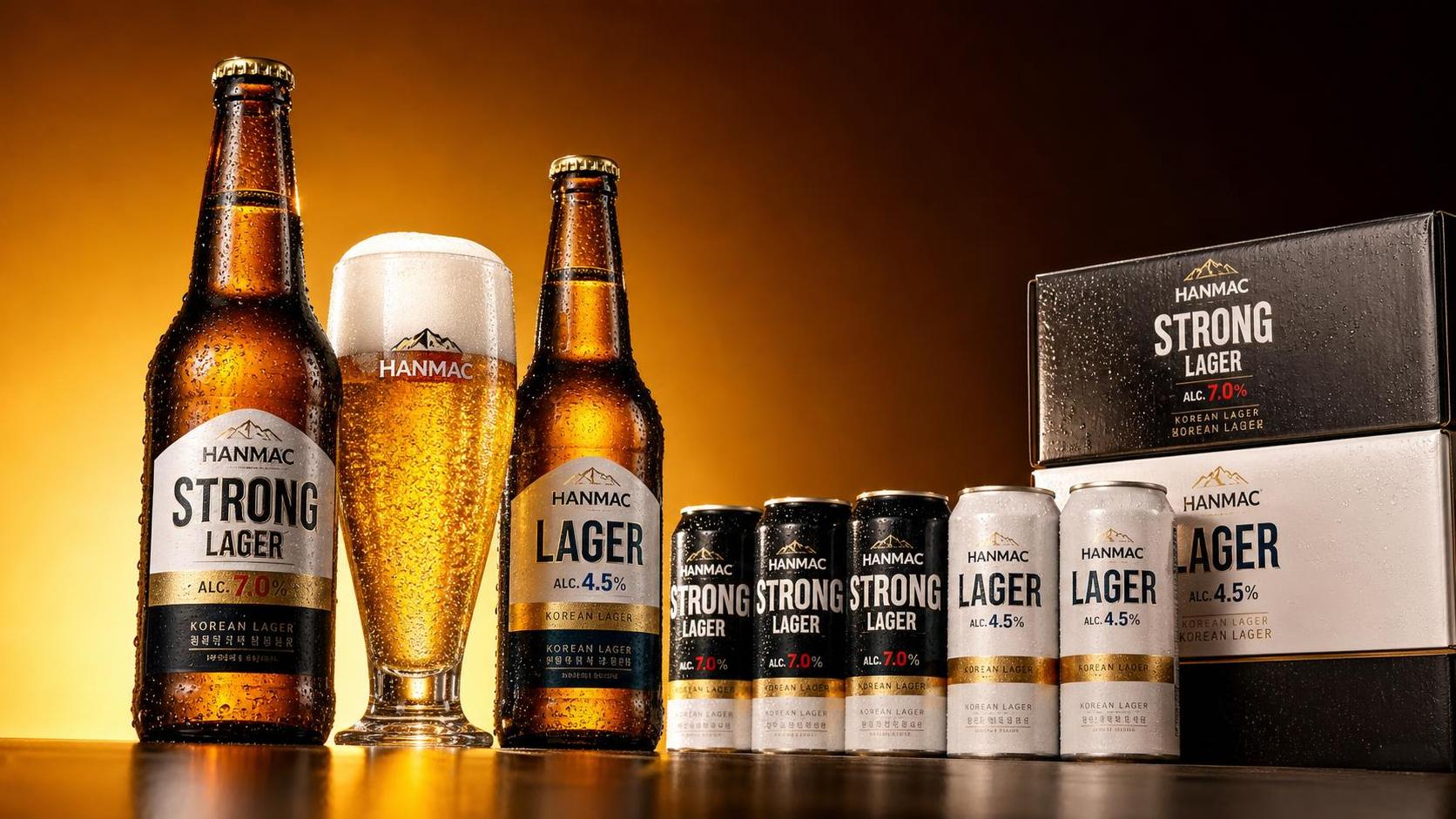
When Is Strong Lager Beer a Better Fit Than Regular Lager for Your Product Mix?
Choosing between regular lager and strong lager beer can shape sales pace, shelf efficiency and margin quality across multiple channels.
A stronger product is not simply a higher-ABV extension.
It often serves different occasions, buyer expectations and price ladders.
That is why strong lager beer deserves a separate evaluation inside any serious beer portfolio strategy.
In practical terms, the right choice depends on drinking context, regional taste, competitive pressure and the role each SKU plays.
Some markets reward refreshment first.
Others respond better to strength, value perception and a fuller drinking experience.
This also means a balanced range can outperform a portfolio built only around mainstream regular lager.
What Makes Strong Lager Beer Different in Commercial Terms?
Strong lager beer usually carries higher alcohol content than regular lager, often with a richer body and more pronounced malt character.
For the market, those sensory differences translate into a different buying logic.
Consumers may choose it for longer social sessions, colder weather, evening consumption or stronger taste preference.
Retailers and on-trade buyers often see strong lager beer as a way to widen ticket value without moving too far from familiar lager positioning.
That commercial middle ground matters.
Strong lager beer can feel more accessible than dark beer, stout or heavily flavored craft styles.
At the same time, it offers more distinction than entry-level lager.
For portfolio planning, this makes it a useful bridge product.
When Strong Lager Beer Usually Performs Better Than Regular Lager
The better fit appears when the market is asking for stronger value cues, not just lower price or lighter refreshment.
1. When consumers associate higher strength with better value
In many regions, strong lager beer benefits from a simple perception.
Higher ABV feels like more product value, even when the package size remains unchanged.
This can support better price acceptance than a regular lager upgrade with no obvious product difference.
2. When nightlife and social channels need a more assertive SKU
Bars, music venues and late-hour food service often need products with stronger identity and clearer trade-up potential.
Strong lager beer can meet that need without requiring extensive consumer education.
It remains familiar, yet feels more premium or more intense, depending on positioning.
3. When colder seasons or cooler climates affect demand
Regular lager often peaks in hot-weather refreshment occasions.
Strong lager beer can become more relevant when drinkers want more body, warmth and satisfaction.
This seasonal role can smooth portfolio performance beyond summer sales spikes.
4. When your portfolio lacks a clear step-up lager option
A product ladder needs logic.
If the range jumps from regular lager straight to niche craft styles, some buyers will drop out.
Strong lager beer creates a practical middle tier that is easier to scale.
Channels Where Strong Lager Beer Can Add More Portfolio Value
Channel fit matters as much as consumer taste.
A good SKU in the wrong channel usually underperforms.
- Convenience stores: strong lager beer can work well for immediate consumption and late-evening purchases.
- Supermarkets: it supports segmentation by price tier, alcohol strength and occasion-based buying.
- Bars and restaurants: it creates an easy upsell beside classic lager and wheat beer.
- Independent retail: it helps differentiate the assortment from standard mass-market options.
- Export distribution: strong lager beer can match markets where robust lagers already have established demand.
From a channel perspective, the strongest opportunities usually come where buyers want fast decisions and clear product cues.
Strong lager beer communicates those cues quickly.
How to Judge Whether Strong Lager Beer Fits Your Market
A useful decision should be based on evidence, not assumption.
The following checkpoints help identify whether strong lager beer deserves a larger role.
- Review local bestsellers by ABV, not only by brand name.
- Check whether premium growth comes from flavor, strength or packaging.
- Compare repeat purchase in evening, social and meal-pairing occasions.
- Study competitor gaps in strong lager beer across your core channels.
- Test whether a stronger lager improves gross margin without slowing turnover too much.
- Evaluate legal, labeling and taxation rules linked to higher alcohol products.
More clearly than broad category data, these signals show whether strong lager beer answers a real local demand pattern.
Potential Risks of Adding Strong Lager Beer Too Quickly
A higher-strength SKU can improve the mix, but only when the role is clearly defined.
Without that clarity, strong lager beer may create overlap rather than growth.
- Cannibalization: it may pull volume from existing regular lager instead of expanding category value.
- Mispricing: weak price separation can confuse buyers and reduce trade-up logic.
- Wrong packaging: if the format does not match local habits, trial may stall.
- Positioning issues: strong lager beer should not sound harsh, low-quality or purely functional.
- Regulatory friction: tax bands and market restrictions may affect final competitiveness.
In actual operations, these risks are manageable.
They simply require better SKU planning, cleaner segmentation and realistic channel testing.
What a Better Product Mix Looks Like
The strongest beer portfolio is rarely built around one lager type alone.
A stronger mix usually gives each product a clear commercial job.
This kind of structure gives strong lager beer a precise role instead of turning it into an accidental duplicate.
How Jinpai Beer Can Support a Stronger Lager Strategy
Jinpai Beer develops and supplies a broad beer portfolio, including classic lager, German wheat, sugar-free low-calorie beer and specialty options.
That range makes it easier to build a complete offer around strong lager beer rather than treating it as a standalone item.
OEM and ODM support also matter here.
Different markets may need different ABV targets, flavor balance, packaging formats and branding approaches.
In fast-moving channels, customization can improve fit much faster than forcing one standard product into every market.
That is especially relevant when strong lager beer must align with local regulations, retailer requirements and consumer drinking habits.
A Practical Decision Framework
If strong lager beer delivers stronger value perception, better channel fit and a cleaner step-up than regular lager, it deserves a place.
If not, regular lager should remain the lead volume product.
The most reliable path is to test with clear pricing, targeted channels and defined consumption occasions.
Then review repeat orders, margin quality and cross-channel performance.
Strong lager beer is a better fit when it expands the ladder, strengthens differentiation and improves portfolio resilience.
A disciplined product mix built around those principles will usually perform better than a range focused only on mainstream lager volume.
Thank you very much for writing to us. Please leave your message and contact information, we will reply to you within 24 hours.