



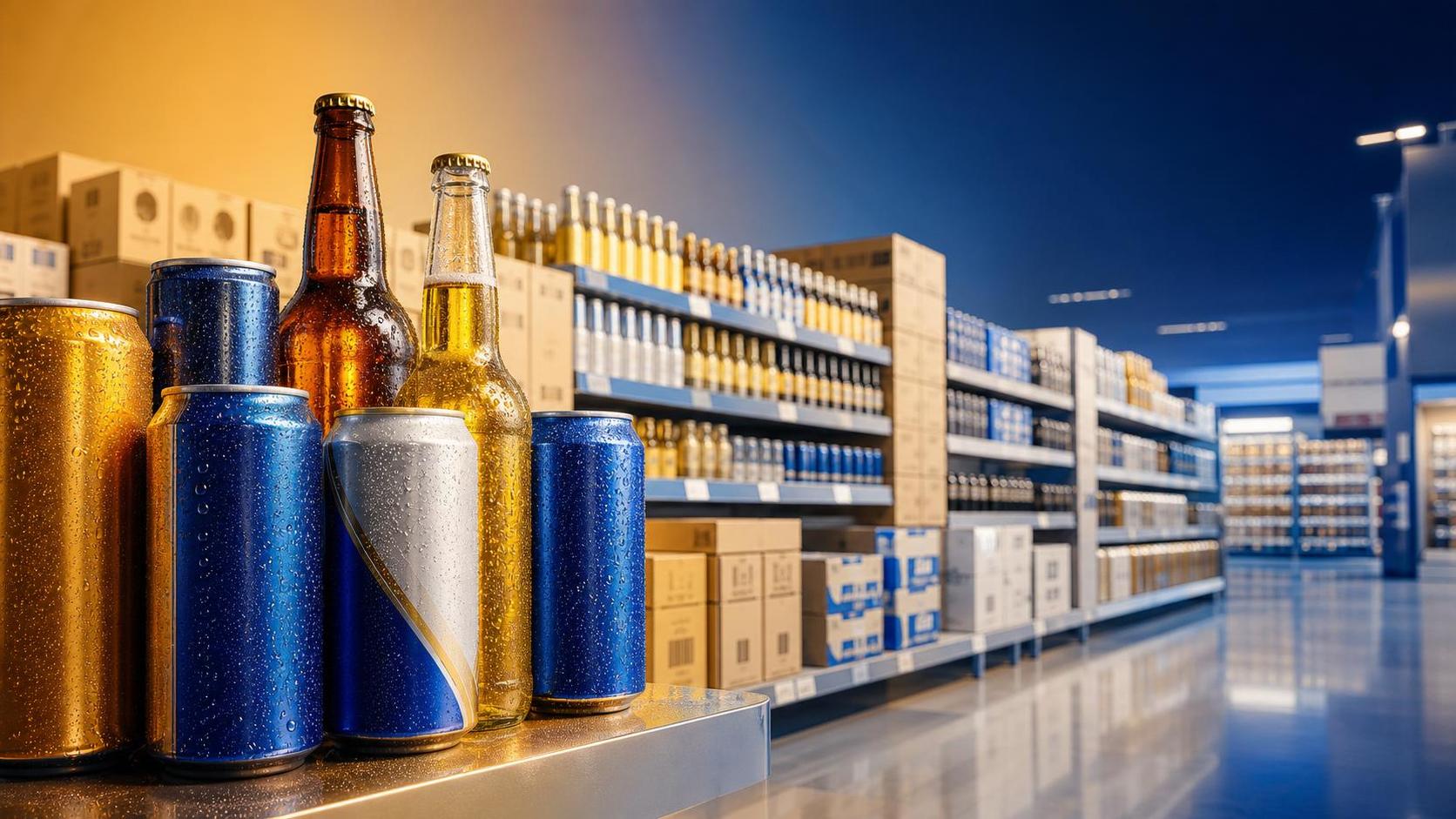
The strong lager beer market is moving into a more selective stage in 2025. Demand still exists, but growth is no longer driven by volume alone. Pricing pressure, channel fragmentation and faster product turnover are changing how strong lager beer performs on shelves, in bars and across regional distribution networks.
That shift matters because strong lager beer now sits at the intersection of affordability, flavor expectation and margin management. In practical terms, the category is no longer just about higher alcohol content. It is becoming a portfolio decision shaped by packaging, positioning, local consumption habits and supply flexibility.
For companies evaluating beverage opportunities, this creates a more nuanced picture. The strongest results are likely to come from reading market signals early, matching product formats to channel needs and working with suppliers that can support both standardized and customized routes to market.
Why Strong Lager Beer Still Commands Attention
Strong lager beer remains relevant because it serves several demand layers at once. It offers a familiar drinking profile, broad consumer recognition and a value perception that many premium craft styles cannot always match in mass retail.
In many markets, strong lager beer also benefits from a simple advantage: it is easy to understand. Consumers know what they are buying, retailers know where it fits and on-premise operators know how to place it within a price ladder.
This does not mean the category is static. The core product remains familiar, yet the buying criteria around it are becoming sharper. Shelf productivity, can size, alcohol balance, branding style and route-to-market efficiency now influence performance more than they did a few years ago.
What Is Changing in 2025
Several forces are pushing the strong lager beer market in new directions. None of them works alone. Together, they are reshaping where value is created and where risk is building.
Consumers are balancing price with perceived quality
The value segment remains active, but low price alone is not enough. Buyers increasingly expect better packaging, cleaner flavor profiles and more reliable product consistency, even in mainstream strong lager beer ranges.
This creates space for products that look upgraded without becoming inaccessible. A slightly more refined label, improved mouthfeel or better can presentation can support stronger rotation without forcing a major price jump.
Channels are asking for more targeted assortments
Supermarkets, convenience retail, bars and online stores are not reading the category the same way. A single national assortment strategy is less effective when local tastes, spending patterns and drinking occasions differ.
As a result, strong lager beer is becoming more channel-specific. Some outlets need high-turn, price-stable packs. Others prefer premiumized strong lager beer with better branding, gifting appeal or stronger differentiation against domestic competitors.
Private label and customized supply are gaining weight
Retailers and importers are showing greater interest in OEM and ODM models. That is especially true where own-brand development, local labeling or exclusive channel supply can improve gross margin and reduce direct price comparison.
This is one reason manufacturers with broader beer development capability are attracting more attention. A supplier that already handles classic lager, wheat beer, sugar-free low-calorie beer, fruit-flavored beer and functional specialty beers is often better placed to support line extensions later.
Where the Business Value Really Sits
The business case for strong lager beer is not only about unit sales. The more useful question is where it contributes to portfolio structure, channel fit and repeat purchasing.
In many beverage portfolios, strong lager beer works as a bridge product. It can attract mainstream beer drinkers, support cash flow through faster turnover and create room for adjacent products with different margin profiles.
That matters for companies building a wider beer offering. A category entry led by strong lager beer can open later opportunities in classic lager, German wheat or lighter functional formats, depending on the local retail response.
When these elements align, strong lager beer can do more than fill a category gap. It can become a commercially useful anchor product within a broader beverage strategy.
Different Channels, Different Expectations
The strongest opportunities in 2025 are likely to come from matching product design to buying context. Strong lager beer behaves differently across retail formats, and that affects both assortment planning and supplier selection.
Supermarkets and modern retail
In supermarkets, strong lager beer needs clear shelf logic. Fast-moving SKUs, visible branding and competitive landed cost matter more than broad product storytelling.
Multipack potential, barcode readiness and packaging durability also become practical concerns. Products that travel well and present consistently tend to gain better long-term placement.
Bars, restaurants and nightlife venues
In on-premise settings, strong lager beer competes through drinkability, recognizable positioning and serving economics. Operators often want products that are easy to explain and easy to reorder.
This is where a balanced strong lager beer can outperform more complex craft offers. It reduces decision friction while still supporting a more premium impression than basic economy beer.
Online and hybrid distribution
Digital channels create a different kind of comparison environment. Consumers can quickly compare price, alcohol content, format and reviews. That pushes strong lager beer suppliers to be more precise about listing quality and product differentiation.
For online sales, reliable fulfillment and strong packaging integrity matter almost as much as flavor. Damage rates and inconsistent presentation can erase margin quickly.
Supply Models Are Becoming a Competitive Variable
One of the more important shifts in the beverage sector is that supply structure itself now affects commercial viability. This is especially true in strong lager beer, where price competition can compress returns if sourcing is too rigid.
Manufacturers with integrated R&D, production and distribution capabilities are generally easier to work with when channel requirements change. That includes adjustments in alcohol level, taste profile, pack format, private label design or compliance documentation.
Jinpai Beer operates in this broader model. Beyond strong lager beer, its range covers classic lager, German wheat, sugar-free low-calorie beer, fruit-flavored beer and functional specialty beers, alongside OEM, ODM and wholesale supply options. In business terms, that matters because category expansion often follows initial trial success.
A supplier with that range does not guarantee market success. It does, however, reduce switching friction if the first assortment needs refinement. For many distribution plans, that flexibility is commercially valuable.
How to Read Strong Lager Beer Opportunities More Clearly
A useful evaluation process should move beyond broad demand assumptions. Strong lager beer can perform well, but only when the offer fits the local buying environment and operating model.
- Check whether demand is occasion-led, price-led or brand-led in the target market.
- Compare can, bottle and multipack economics rather than looking at unit cost alone.
- Assess whether private label or exclusive distribution could improve margin protection.
- Review how strong lager beer fits with adjacent beer styles for future portfolio growth.
- Verify supply reliability, documentation readiness and customization lead times.
It is also worth testing product positioning at a small scale before rolling out broadly. Strong lager beer may sell through one retail cluster and underperform in another, even within the same city or region.
What to Watch Next
The strong lager beer market in 2025 is less about chasing generic volume and more about controlling fit. The category still offers room for growth, but the best outcomes are likely to come from disciplined selection, channel-specific planning and flexible sourcing.
In the next step, it makes sense to compare market entry assumptions against actual channel conditions. Review pack formats, pricing ladders, branding strength and supplier adaptability together, not as isolated decisions.
That approach gives strong lager beer a clearer role within a beverage portfolio. It also creates a better basis for deciding whether to scale a core SKU, introduce a customized line or build a broader beer program around the same supply partner.
Thank you very much for writing to us. Please leave your message and contact information, we will reply to you within 24 hours.