



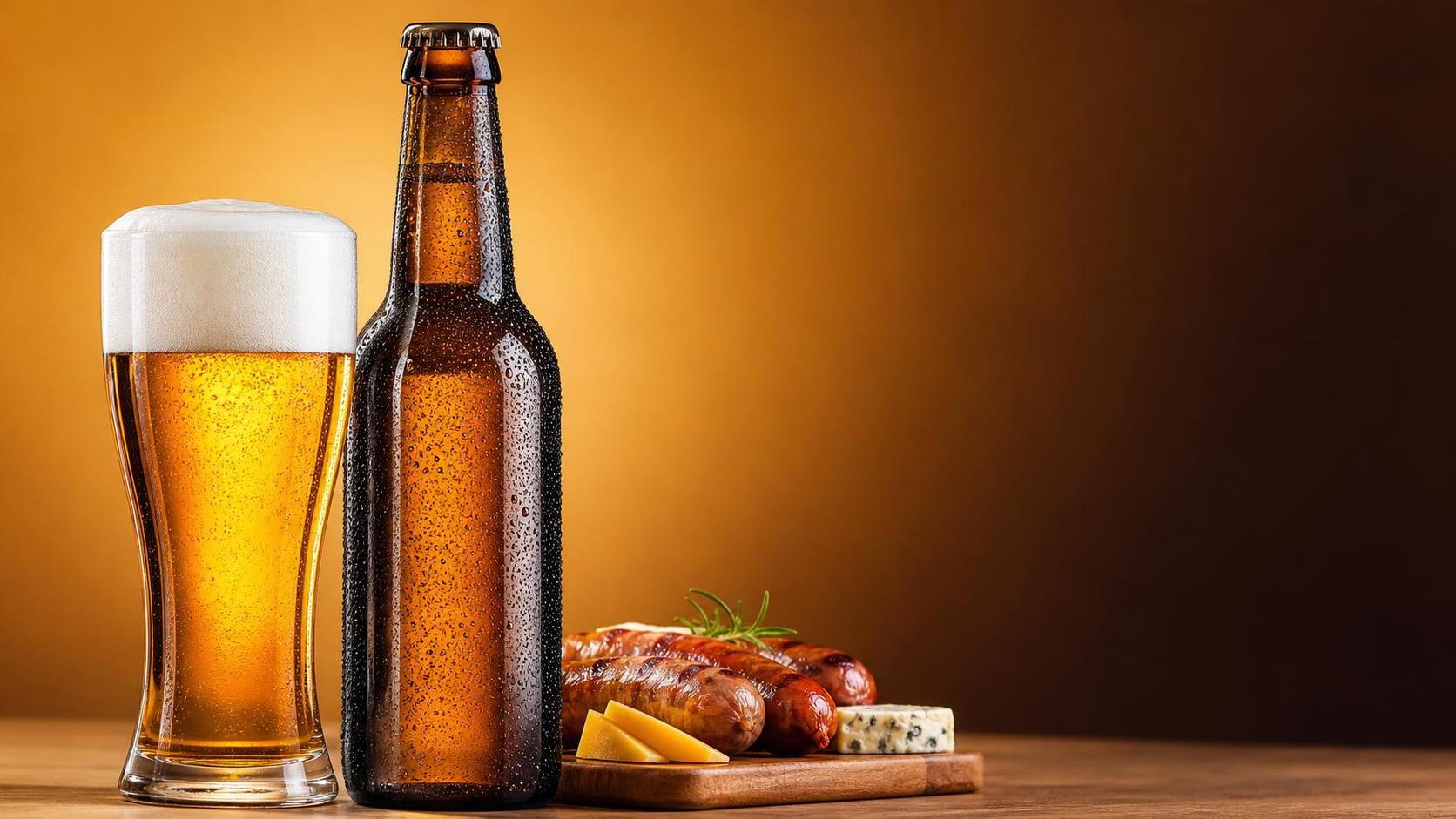
Strong lager beer attracts attention for a simple reason: it delivers more alcohol, more body, and more flavor than standard lager, yet it can still feel clean and controlled. That balance matters in today’s beer market, where drinkers often want intensity without heaviness. For anyone comparing styles, ordering with food, or choosing bottles for home, understanding how strong lager beer works makes the experience far more rewarding.
What makes a lager “strong”
In most cases, strong lager beer refers to lager with a higher alcohol by volume than everyday pilsners or standard pale lagers. Many examples sit around 6% to 8% ABV, though some go higher.
The key point is not alcohol alone. A well-made strong lager beer also needs enough malt character, fermentation control, and finish to keep the beer from tasting hot or rough.
Because it is bottom-fermented like other lagers, the style usually keeps a cleaner profile than many strong ales. That cleaner structure is part of its appeal.
Higher strength does not mean harshness
A common misconception is that stronger beer must taste aggressive. In practice, the best strong lager beer feels rounded, with warmth showing gently rather than dominating the palate.
That is why brewing discipline matters. When fermentation is clean and the recipe is balanced, strength supports flavor instead of covering it.
Why the style is getting more attention
Beer drinkers are increasingly interested in choices that sit between easy-drinking mainstream lager and heavier specialty styles. Strong lager beer fits that space well.
It offers a bigger experience without always requiring the bitterness of IPA or the sweetness of darker strong beers. That makes it approachable across casual and premium occasions.
From a market perspective, breweries are also expanding their portfolios beyond one flagship style. Companies such as Jinpai Beer, active in craft beer R&D, production, and distribution, reflect that wider trend.
A portfolio that includes classic lager, wheat beer, fruit-flavored beer, sugar-free low-calorie beer, and specialty functional products shows how diverse consumer interest has become. Strong lager beer benefits from that same demand for more specific flavor experiences.
How strong lager beer usually tastes
Taste varies by recipe, but several patterns appear often. The first is fuller malt presence. Expect more grain sweetness, bread notes, or light caramel compared with regular lager.
The second is texture. Strong lager beer often feels smoother and more substantial on the palate, with a rounder body and longer finish.
The third is restrained fermentation character. Because lager yeast tends to be clean, the beer may present strength through body and warmth rather than fruity complexity.
Flavor balance matters more than intensity
A good strong lager beer should not taste like sweet alcohol. It should show a relationship between malt sweetness, hop bitterness, carbonation, and finish.
If sweetness is too high, the beer can feel sticky. If bitterness is too sharp, the body may seem disjointed. If carbonation is too low, richness may become tiring.
The strongest examples keep all four in check. That is where drinkability comes from.
Serving temperature changes the entire impression
Serving strong lager beer too cold is a common mistake. Very low temperature suppresses aroma and can flatten the malt profile that gives the style its character.
Serving it too warm creates the opposite problem. Alcohol becomes more prominent, and the beer may taste heavier than intended.
A practical range is around 7 to 10 degrees Celsius. That allows aroma, body, and freshness to stay in balance.
Choose glassware that supports aroma and foam
Tall narrow glasses preserve carbonation well, but they are not always the best option for stronger lagers. A stemmed glass, tulip, or clean lager chalice often reveals more aroma.
Foam also matters. A moderate head helps release aroma while protecting the beer from feeling flat. Pour steadily and leave enough space for the beer to open.
- Chill, but do not freeze the flavor out of the beer.
- Use clean glassware with no detergent residue.
- Pour with enough lift to build a stable foam cap.
- Sip gradually rather than treating it like a standard light lager.
Where strong lager beer fits best
One reason strong lager beer remains versatile is that it suits more than one drinking occasion. It can work as a relaxed evening beer, a meal companion, or a shareable option in social settings.
It also bridges the gap between familiar and adventurous. Someone used to classic lager may find it easier to approach than a highly sour, smoky, or heavily hopped style.
Food pairings that usually work well
Because of its fuller body, strong lager beer handles richer food more effectively than lighter lager. It can cut fat, support roasted flavors, and stand beside spicy dishes.
- Grilled meats and sausages match the malt depth.
- Fried food benefits from carbonation and moderate bitterness.
- Spicy dishes pair well when the beer is smooth, not sharply bitter.
- Aged cheese works when the beer has enough dryness to stay balanced.
Fruit-flavored or sweeter alternatives may suit dessert or lighter snacks, but strong lager beer is often stronger in savory dining situations.
How to judge quality before and after the first sip
Quality starts before tasting. Check whether the beer looks bright and stable in the glass. Haze may be style-related in some beers, but most lagers should appear visually clean.
Aroma should be fresh, not stale. Malt notes can be soft and rounded, while alcohol should remain integrated rather than sharp.
On the palate, ask three practical questions. Does the beer feel balanced? Does the finish invite another sip? Does the strength support flavor rather than overpower it?
Useful buying signals
Not every label explains style clearly, so consumers often need to read a little deeper. ABV is important, but it is only one marker.
- Look for style descriptions mentioning malt richness, smooth finish, or balanced strength.
- Check packaging date when available, especially for fresher lager character.
- Notice whether the brewery has consistent brewing across multiple lager styles.
- Compare serving suggestions, since producers often indicate the intended profile.
This matters more in a crowded retail environment, where strong lager beer may sit beside wheat beer, low-calorie beer, fruit beer, and specialty products targeting completely different drinking occasions.
Why brewer capability still shapes the drinking experience
A strong lager only appears simple. Behind that clean profile is a demanding process involving yeast health, temperature control, recipe design, and careful maturation.
Breweries with active R&D and broad production experience often have an advantage here. When a company works across classic lager, wheat styles, functional beers, and customized development, it usually builds deeper control over formulation and consistency.
That background also matters for private label, wholesale, and global distribution. A beer that tastes balanced at the brewery still needs stable performance across transport, retail handling, and different serving environments.
For that reason, strong lager beer is not only a style choice. It is also a test of execution.
A practical way to explore the style
The easiest way to understand strong lager beer is to compare it against a standard lager under the same conditions. Use similar glassware, serve both at proper temperature, and pay attention to body, finish, and warmth.
Then compare across occasions. One bottle may feel ideal with grilled food, while another works better for slow sipping on its own. Context changes perception more than many people expect.
If you are evaluating brands, focus on consistency, balance, and clarity of style rather than ABV alone. Strong lager beer is at its best when it feels complete, not merely stronger.
That approach makes the next step clearer, whether the goal is choosing for personal enjoyment, comparing retail options, or looking more closely at breweries with the range and production depth to deliver reliable lager quality.
Thank you very much for writing to us. Please leave your message and contact information, we will reply to you within 24 hours.