



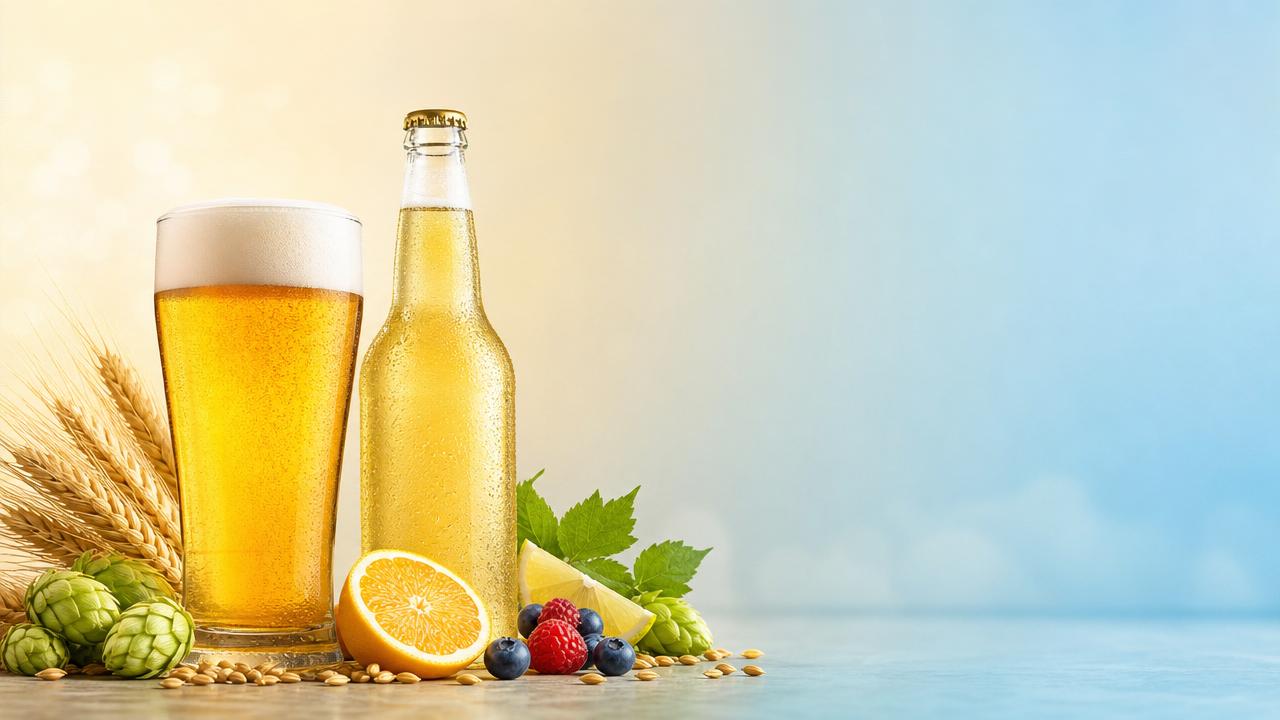
What Is a Malt Beverage and How Is It Different from Beer?
A Malt Beverage is often associated with beer, but the two are not always the same.
Understanding the difference helps clarify labels, ingredients, alcohol content, flavor design, and category positioning in a changing beverage market.
Beer is usually brewed from malted grains, hops, yeast, and water. A Malt Beverage may follow broader formulation rules.
It can include fruit flavors, functional concepts, sweeteners, lower calories, or alcohol levels designed for specific drinking occasions.
The Malt Beverage Category Is Expanding Beyond Traditional Beer
The modern Malt Beverage market reflects a clear shift in drinking habits.
Classic beer remains important, yet demand is moving toward lighter, flavored, convenient, and experience-driven products.
A Malt Beverage can sit between beer, ready-to-drink alcohol, flavored drinks, and lifestyle beverages.
This flexible position explains why the category is gaining attention across supermarkets, bars, restaurants, and online channels.
In many markets, the term Malt Beverage also appears on labels for legal or regulatory reasons.
The wording may describe a product made from malt, even when the final drink tastes different from traditional beer.
What Defines a Malt Beverage Today?
A Malt Beverage is generally made using malted grains as a fermentable base.
Barley malt is common, though wheat, rice, corn, or other grains may also appear in certain formulations.
During production, malt provides sugars that yeast can ferment into alcohol.
After fermentation, the product may be filtered, carbonated, flavored, sweetened, or adjusted for taste and performance.
This makes a Malt Beverage more flexible than standard beer in many commercial applications.
- It usually contains malt-derived fermentable ingredients.
- It may include hops, but hops are not always central.
- It can be clear, fruity, sweet, dry, strong, or light.
- It may target refreshment, flavor exploration, or lower-calorie drinking.
Because of this flexibility, a Malt Beverage can be closer to beer, hard soda, fruit beer, or a specialty drink.
Beer Has a Narrower Identity Than a Malt Beverage
Beer has a more established identity shaped by brewing tradition.
Most beer styles depend on malt, hops, yeast, water, fermentation control, and style-specific balance.
Lager, wheat beer, stout, porter, pale ale, and IPA each follow recognizable flavor expectations.
A Malt Beverage can use similar brewing foundations, but its identity is often more open.
It may emphasize sweetness, fruit aroma, functional positioning, alcohol strength, or reduced sugar instead of classic beer character.
Key Forces Driving Malt Beverage Growth
Several market signals explain why the Malt Beverage segment is becoming more visible.
The strongest drivers combine taste preferences, wellness awareness, channel expansion, and faster product innovation cycles.
These forces do not replace beer. They broaden the alcohol beverage landscape around beer-based knowledge.
Ingredient Differences Shape Taste and Label Positioning
Ingredients are the easiest way to understand the difference between beer and a Malt Beverage.
Beer usually relies on malt sweetness, hop bitterness, yeast aroma, and fermentation character.
A Malt Beverage may keep the malt base while reducing bitterness or adding flavor layers.
Common additions include fruit juice, natural flavor, sweeteners, acids, herbs, or functional ingredients.
This helps create products that feel lighter, brighter, sweeter, or easier to drink than standard beer.
- Classic beer highlights grain, hops, and yeast complexity.
- Fruit beer adds aroma while retaining beer structure.
- Low-calorie beer reduces energy intake while keeping refreshment.
- A functional Malt Beverage may include special positioning claims.
The result is a category that supports both brewing authenticity and consumer-friendly innovation.
Alcohol Content Is Not the Only Difference
A common misunderstanding is that a Malt Beverage always has higher alcohol than beer.
In reality, alcohol levels vary by market, brand, recipe, and legal definition.
Some Malt Beverage products are light and refreshing, with alcohol levels similar to lager.
Others may be stronger, sweeter, or designed for a different drinking rhythm.
The key difference is not only alcohol percentage. It is the wider design freedom around the malt base.
Labels should be read carefully for ABV, calories, sugar content, ingredients, and serving recommendations.
How the Trend Affects Product Development and Channels
The Malt Beverage trend affects more than recipe design.
It changes how beverages are positioned, packaged, distributed, and explained at the point of sale.
For product development, the category supports faster testing of flavors and alcohol levels.
For channel strategy, it creates opportunities in restaurants, bars, supermarkets, convenience retail, and online platforms.
- Restaurants may pair light Malt Beverage products with casual meals.
- Bars can use flavored options for easy-drinking selections.
- Supermarkets can present them near beer or ready-to-drink alcohol.
- Online channels can explain ingredients, ABV, and taste more clearly.
Clear communication becomes essential because the category may confuse buyers who expect every malt-based drink to be beer.
What to Watch When Evaluating a Malt Beverage
A practical evaluation should look beyond whether the drink is called beer or Malt Beverage.
The most useful view combines formulation, sensory profile, production reliability, compliance, and channel suitability.
- Check whether malt is the core fermentable source.
- Review ABV, calories, sugar, and ingredient claims.
- Assess whether the flavor matches the target drinking occasion.
- Confirm local labeling and alcohol classification requirements.
- Evaluate packaging format, shelf stability, and logistics needs.
- Compare the product against lager, wheat beer, fruit beer, and RTD alternatives.
These points help separate strong concepts from products that only rely on novelty.
Beer Innovation Is Moving Toward Hybrid Concepts
The boundary between beer and Malt Beverage will likely keep shifting.
Craft brewing has already normalized unusual ingredients, seasonal flavors, and local taste stories.
At the same time, health-aware drinking encourages low-calorie, sugar-free, and lighter alcohol options.
This creates room for classic lager, German wheat, fruit-flavored beer, and specialty beers to evolve.
A Malt Beverage can serve as a bridge between familiar beer craftsmanship and new taste expectations.
Brands with flexible R&D, stable production, and global channel knowledge are better positioned for this transition.
Jinpai Beer’s Perspective on Malt Beverage Opportunities
Jinpai Beer focuses on R&D, production, and distribution across craft beer and related beverage categories.
Its portfolio includes classic lager, German wheat, sugar-free low-calorie beer, fruit-flavored beer, and functional specialty beers.
These product directions align closely with the broader Malt Beverage trend.
The company also supports OEM and ODM services, wholesale supply, and customized beverage solutions.
Such capabilities are important when markets demand different recipes, packaging formats, flavor systems, and compliance approaches.
For global distribution, flexible production can help adapt Malt Beverage concepts to local taste and retail expectations.
Practical Next Steps for Category Decisions
A clear action plan helps turn Malt Beverage interest into measurable product direction.
The best approach is to test taste, confirm classification, then scale with reliable production support.
A Malt Beverage is not simply another name for beer.
It is a broader category built on malt fermentation, flexible formulation, and changing drinking expectations.
To explore craft beer, flavored beer, low-calorie beer, or customized Malt Beverage solutions, connect with Jinpai Beer.
The next opportunity may come from combining proven brewing expertise with a sharper understanding of emerging beverage occasions.
Thank you very much for writing to us. Please leave your message and contact information, we will reply to you within 24 hours.