



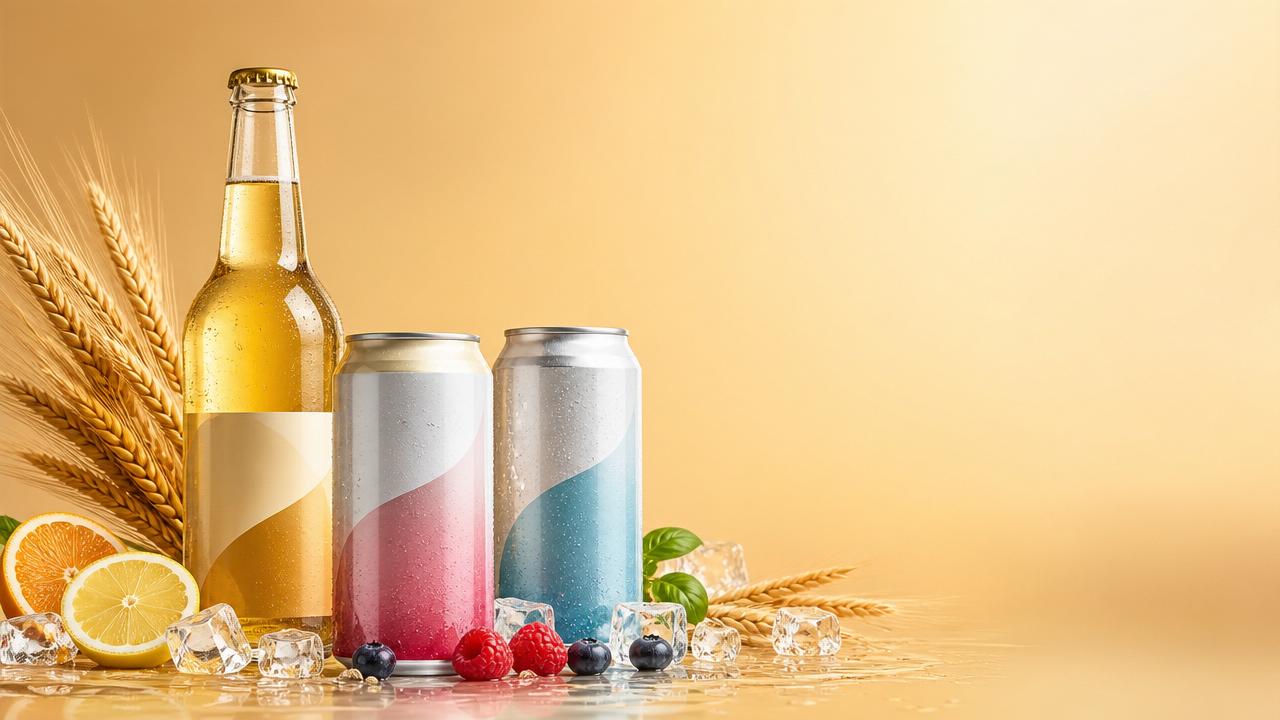
Malt Beverage Types Explained: Flavored, Hard, and Alcohol-Free Options
A Malt Beverage can be much more than a traditional beer.
It may be fruity, bold, refreshing, low in alcohol, or completely alcohol-free.
As consumers seek flexible drinking choices, understanding flavored, hard, and non-alcoholic malt drinks becomes increasingly useful.
This guide explains key types, taste profiles, drinking occasions, and practical selection points for modern malt-based beverages.
Malt Beverage Fundamentals
A Malt Beverage is generally made from malted grains, most commonly barley.
The malt provides fermentable sugars, body, aroma, color, and a recognizable grain-based foundation.
Depending on production methods, a Malt Beverage may taste crisp, sweet, roasted, fruity, or lightly acidic.
Beer is the most familiar example, yet the category has become wider and more diverse.
Today, the term also includes flavored malt drinks, hard malt drinks, malt coolers, and alcohol-free malt options.
The defining feature is the malt base, not one single flavor or alcohol level.
Core Elements Behind the Category
- Malted grain creates the beverage structure.
- Fermentation influences alcohol, aroma, and mouthfeel.
- Flavoring may add fruit, spice, herbs, or functional ingredients.
- Filtration and carbonation shape clarity and refreshment.
- Alcohol level determines positioning and drinking occasions.
This flexibility explains why the Malt Beverage market serves many tastes and lifestyle preferences.
Industry Background and Current Consumer Signals
The beverage industry has shifted from single-category loyalty toward occasion-based choice.
People may choose a classic lager one day and a fruit-flavored Malt Beverage the next.
This shift is driven by taste exploration, wellness awareness, moderation, and social drinking diversity.
Brands now develop products that balance refreshment, flavor, alcohol control, and visual appeal.
For producers, these signals encourage broader recipes and more precise product segmentation.
For consumers, they make the Malt Beverage aisle more interesting but also more complex.
Flavored Malt Beverage Styles
A flavored Malt Beverage uses a malt base with added flavors or natural aromatic elements.
Common profiles include citrus, berry, peach, tropical fruit, ginger, honey, tea, and floral notes.
These drinks often appeal to people who prefer softer bitterness and a more approachable aroma.
Compared with classic beer, flavored options may feel lighter, sweeter, or more cocktail-like.
Main Flavor Directions
- Citrus: bright, crisp, and suitable for warm weather.
- Berry: slightly sweet, colorful, and easy to enjoy chilled.
- Tropical: aromatic, juicy, and suitable for social gatherings.
- Herbal: refreshing, distinctive, and often less sugary.
- Dessert-inspired: richer, sweeter, and suitable for limited editions.
A flavored Malt Beverage works well when refreshment and aroma matter more than heavy body.
It is suitable for bar menus, casual dining, outdoor events, and retail multipack sales.
Fruit-flavored beer also fits this trend, especially when carbonation, color, and aroma are carefully balanced.
Hard Malt Beverage Options
A hard Malt Beverage usually contains a stronger alcohol presence than soft malt drinks.
It may be clear, flavored, sparkling, or positioned near ready-to-drink cocktails.
The word “hard” generally signals alcohol content, not necessarily harsh taste.
Many hard malt drinks are designed to be clean, bright, and easy to serve over ice.
Some products emphasize a bold malt character, while others use a neutral base for flavor clarity.
Taste and Positioning Differences
A hard Malt Beverage should be selected with alcohol level, sweetness, and serving format in mind.
Higher alcohol may suit evening occasions, while lighter hard malt drinks fit relaxed social settings.
Alcohol-Free and Low-Alcohol Malt Beverage Choices
Alcohol-free malt drinks are expanding because moderation is now part of mainstream beverage culture.
An alcohol-free Malt Beverage can keep malt aroma, foam, carbonation, and drinking ritual without alcohol impact.
Some versions are brewed and dealcoholized, while others are formulated directly as malt soft drinks.
Low-alcohol options sit between traditional beer and alcohol-free formats.
They provide a lighter drinking experience while preserving fermentation character and refreshment.
Why Alcohol-Free Malt Drinks Matter
- They support social inclusion across different drinking preferences.
- They fit lunch, work events, travel, and wellness-focused routines.
- They create menu options beyond soda, juice, or sparkling water.
- They help brands serve broader retail and restaurant channels.
A well-made alcohol-free Malt Beverage should avoid excessive sweetness and thin mouthfeel.
Balanced grain notes, clean carbonation, and stable aroma are important quality markers.
Application Value for Beverage Portfolios
A diverse Malt Beverage portfolio can serve different seasons, occasions, and retail price points.
Classic lager supports daily refreshment, while German wheat beer delivers body and yeast-driven aroma.
Sugar-free low-calorie beer addresses calorie-conscious choices without abandoning the beer experience.
Fruit-flavored beer attracts consumers seeking color, aroma, and easy-drinking sweetness.
Functional specialty beers can add differentiation through ingredients, positioning, or specific consumption occasions.
For wholesale supply, variety helps match restaurants, supermarkets, bars, online shops, and local retail channels.
For OEM and ODM development, the Malt Beverage category allows flexible recipes, packaging, alcohol levels, and flavor systems.
Practical Portfolio Roles
Typical Drinking Scenarios and Matching Logic
Selecting a Malt Beverage becomes easier when the occasion is clear.
Flavor intensity, alcohol level, sweetness, carbonation, and serving temperature all affect satisfaction.
For retail shelves, clear labeling helps people match products with these use cases quickly.
For restaurants and bars, menu descriptions should mention flavor, sweetness, alcohol, and pairing suggestions.
Selection and Quality Considerations
A good Malt Beverage should taste balanced rather than simply sweet, strong, or heavily flavored.
The malt base should support the drink, even when fruit or functional ingredients are present.
Carbonation should feel lively but not sharp enough to overpower aroma.
Color and clarity depend on style, but stability remains important for commercial distribution.
Practical Checking Points
- Review alcohol level and serving occasion before purchase.
- Check whether sweetness matches the target taste preference.
- Look for balanced aroma instead of artificial heaviness.
- Confirm packaging size fits retail, dining, or event usage.
- Consider shelf life, storage conditions, and transport stability.
When developing a private-label Malt Beverage, formulation should start from the intended drinking moment.
A summer fruit beer needs different sweetness, acidity, and carbonation than a strong evening malt drink.
Production and Customization Perspective
Professional brewing and beverage development require control over raw materials, fermentation, flavor integration, and packaging.
Jinpai Beer focuses on craft beer research, production, distribution, and flexible beverage solutions.
The product range includes classic lager, German wheat, sugar-free low-calorie beer, fruit-flavored beer, and specialty beers.
OEM and ODM services help create customized Malt Beverage concepts for different markets and channels.
Customization may involve flavor selection, alcohol content, sweetness level, can design, bottle format, and carton specification.
Wholesale supply supports restaurants, supermarkets, bars, retailers, and online sales platforms worldwide.
A reliable supply partner should combine brewing capability with product consistency and market-aware development.
Next Steps for Choosing the Right Malt Beverage
The Malt Beverage category now covers classic beer refreshment, fruit-forward enjoyment, stronger hard drinks, and alcohol-free alternatives.
The best choice depends on taste preference, occasion, alcohol expectation, food pairing, and channel needs.
For daily refreshment, consider lager, wheat beer, or low-calorie beer.
For social variety, explore flavored malt drinks with citrus, berry, tropical, or botanical profiles.
For moderation, compare alcohol-free and low-alcohol malt products by aroma, body, and finish.
For custom supply, define the target market, price range, flavor direction, packaging, and distribution channel first.
Jinpai Beer welcomes global distributors, agents, and partners seeking long-term cooperation in malt-based beverage solutions.
To build a suitable Malt Beverage lineup, start with product positioning, then refine recipe, packaging, and supply planning.
Thank you very much for writing to us. Please leave your message and contact information, we will reply to you within 24 hours.