



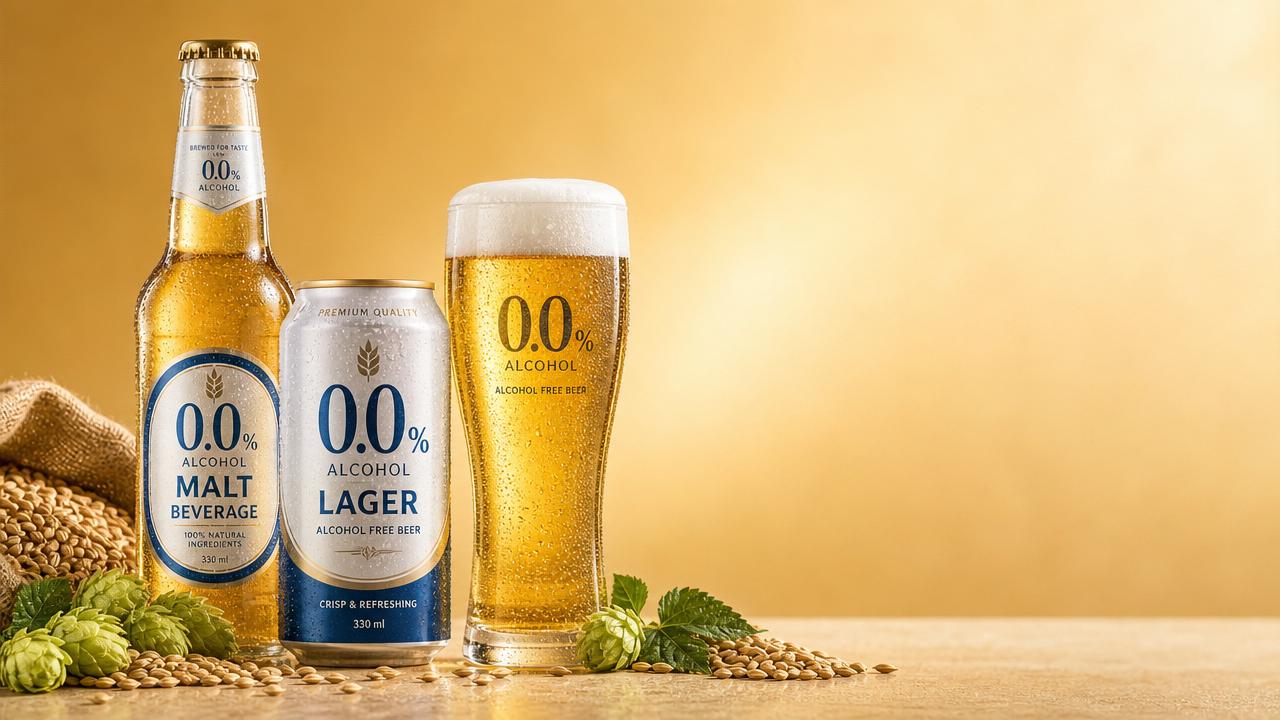
A 0.0% Alcohol malt beverage often sits beside non-alcoholic beer, yet the two are not always the same product. They may share shelf space and similar packaging, but their formulas, production paths, taste expectations and labeling rules can differ in meaningful ways.
That difference matters more today because low- and no-alcohol choices are no longer a niche category. Retailers, bars and brand owners now look at 0.0% Alcohol options as a way to serve moderation trends, social drinking occasions and broader lifestyle preferences without leaving beer culture behind.
For anyone comparing products, planning a beverage range or evaluating market potential, the key is not just whether a drink contains alcohol. It is how the product is made, what ingredients define it and how consumers interpret the label in real buying situations.
Where a 0.0% Alcohol malt beverage fits
In simple terms, a 0.0% Alcohol malt beverage is a malt-based drink with no detectable alcohol according to the stated market standard. Malt remains central to its identity, so the beverage still draws part of its character from grains, brewing knowledge and beer-adjacent flavor cues.
However, not every 0.0% Alcohol malt beverage is legally or commercially positioned as non-alcoholic beer. In some markets, the product may be classified separately because of recipe design, fermentation level or local naming rules.
This distinction becomes useful when developing products for different channels. A supermarket may want clear lifestyle positioning, while a restaurant or bar may care more about taste similarity to beer and menu pairing flexibility.
Why it is different from non-alcoholic beer
Non-alcoholic beer usually starts from the idea of beer first. It is commonly brewed in a beer-like process, then adjusted to keep alcohol at a very low level or remove it after fermentation.
A 0.0% Alcohol malt beverage may take a broader route. Some products use malt extract, hop flavor, carbonation and functional blending without following a full traditional beer fermentation path.
That means the overlap is real, but the categories are not identical. One is often defined by beer process heritage. The other can be defined by a malt beverage profile with zero-alcohol positioning.
The practical difference on the shelf
For consumers, the label may look similar. For product teams and buyers, the differences show up in taste, body, sweetness, ingredient declaration and compliance requirements.
Ingredients and process shape the result
The most reliable way to understand a 0.0% Alcohol beverage is to look at formulation and process together. Malt, water, hop notes, yeast handling, sugar level and carbonation all influence whether the final drink feels beer-like or more like a flavored malt refreshment.
Some non-alcoholic beers rely on limited fermentation or dealcoholization. These methods preserve familiar beer aromas, but they can also affect body and bitterness. A 0.0% Alcohol malt beverage may instead be designed for smoother drinkability, lighter bitterness or broader flavor customization.
This flexibility is one reason the category is growing. It allows producers to respond to different regional tastes, calorie targets and functional positioning, including sugar-free or low-calorie lines.
For a company with craft beer R&D and diversified brewing capability, this opens space to build both traditional and alternative low-alcohol portfolios. A producer such as Jinpai Beer can extend classic lager knowledge into 0.0% Alcohol formats while also developing fruit-forward, functional or customized malt beverage solutions.
Why the category is gaining attention
The rise of 0.0% Alcohol products reflects more than health messaging. Consumers now want beverages that fit weekday meals, daytime socializing, driving occasions and moderation-minded events without feeling excluded from the drinking experience.
That shift changes how beverage brands approach innovation. The question is no longer whether a no-alcohol option is needed. The better question is which format best matches the target channel and the desired drinking moment.
- Restaurants often prefer balanced products that pair cleanly with food.
- Supermarkets usually need clear category language and repeat-purchase appeal.
- Bars may look for beer-like aroma and visual familiarity.
- Online channels respond well to lifestyle segmentation, such as sugar-free or low-calorie positioning.
In this environment, 0.0% Alcohol malt beverages can serve as an accessible bridge. They offer more freedom in recipe and branding while still benefiting from beer category recognition.
How to evaluate a product beyond the label
A zero-alcohol claim is only the starting point. Real comparison requires attention to sensory profile, technical consistency and regulatory alignment.
Points worth checking
- Alcohol threshold standard in the destination market.
- Whether the product is brewed, dealcoholized or blended.
- Ingredient declaration, especially sugars, flavors and functional additions.
- Taste profile, including malt depth, bitterness, sweetness and finish.
- Packaging fit for retail, foodservice or hospitality use.
- Supply flexibility for OEM, ODM or regional customization.
These checks are especially useful when the same product family may need several versions. One market may favor classic lager cues, while another may respond better to fruit-flavored 0.0% Alcohol options or a lighter low-calorie proposition.
Business relevance across beverage channels
From a commercial perspective, the value of a 0.0% Alcohol malt beverage lies in range building. It can complement standard beer, attract new occasions and support stores or venues that want a fuller beverage menu without relying only on soft drinks.
This is where production breadth becomes important. A supplier with experience in classic lager, German wheat, sugar-free low-calorie beer, fruit-flavored beer and functional specialty beers is better positioned to tailor formulas for different channels.
OEM and ODM capability also matter because the low- and no-alcohol segment rarely follows a single template. Some buyers need private-label supermarket products. Others need premium bar offerings or export-friendly SKUs with localized compliance support.
In that setting, 0.0% Alcohol is not just a technical claim. It becomes part of product positioning, portfolio strategy and long-term channel development.
Choosing the right direction
If the goal is beer authenticity, non-alcoholic beer may be the stronger path. If the goal is more formulation freedom, lighter drinking character or customized positioning, a 0.0% Alcohol malt beverage may be the better fit.
The strongest decisions usually come from matching product style to use case. A foodservice list may prioritize clean malt balance. A convenience channel may need a crisp, approachable profile. Export programs often require careful alignment between flavor, labeling and regional rules.
That is also why side-by-side sampling, specification review and market-specific compliance checks are worth doing early. Similar names can hide meaningful differences, and those differences affect repeat purchase more than initial curiosity.
A practical next step is to compare intended drinking occasions, target flavor profile, alcohol standard and channel requirements before choosing between non-alcoholic beer and a 0.0% Alcohol malt beverage. Once those points are clear, product selection and customization become much easier to judge with confidence.
Thank you very much for writing to us. Please leave your message and contact information, we will reply to you within 24 hours.