



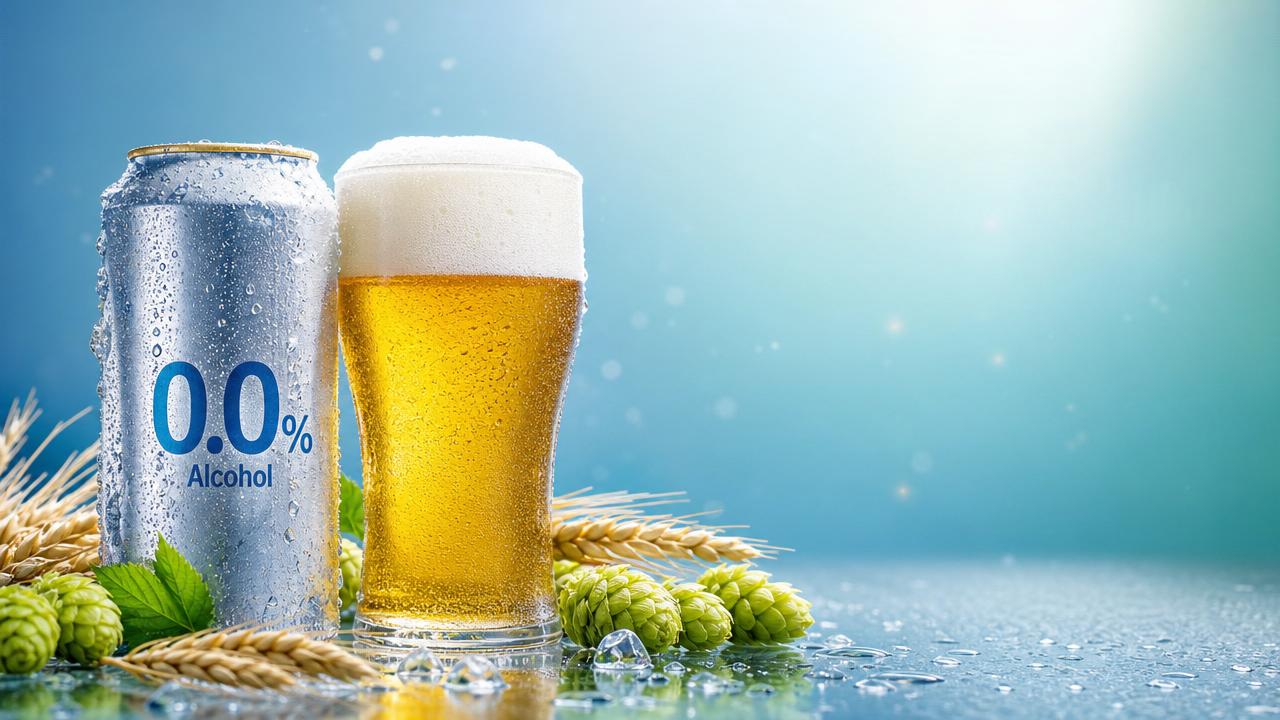
Seeing 0.0% Alcohol on a beverage label can be reassuring, but it can also raise questions: is it truly alcohol-free, how is it made, and who is it suitable for? As more consumers choose mindful drinking, low-calorie lifestyles, or alcohol-free social options, understanding what this label means helps you make smarter choices. In this guide, we’ll explain the meaning of 0.0% Alcohol, how it differs from other non-alcoholic claims, and what to look for when selecting beer or beverage alternatives.
For everyday shoppers, the label is more than a number. It affects taste expectations, calorie control, driving plans, family occasions, and responsible drinking habits. For beverage brands and retailers, it also shapes product positioning, shelf communication, and consumer trust.
What 0.0% Alcohol Usually Means
In simple terms, 0.0% Alcohol means the beverage is presented as having no measurable alcohol at the labeling precision shown. On many beverage labels, alcohol by volume is displayed to 1 decimal place, so 0.0% indicates the product is intended to be alcohol-free for normal consumption.
However, labeling rules can vary by country or region. Some markets distinguish between “alcohol-free,” “non-alcoholic,” “dealcoholized,” and “low alcohol.” A drink marked 0.0% Alcohol is generally positioned more strictly than products labeled below 0.5% ABV.
ABV, label rounding, and consumer expectations
ABV stands for alcohol by volume. A regular lager may sit around 4.0%–5.0% ABV, while some craft beers range from 3.5% to more than 8.0%. By comparison, a 0.0% Alcohol beverage is made for consumers who want the beer-like experience without alcoholic strength.
The key point is not only the laboratory number. It is also the product promise. If you are buying beer alternatives for lunch, sports recovery, family gatherings, or weekday social events, the 0.0% label helps reduce uncertainty.
Common label terms compared
The following comparison explains how several common beverage claims differ. Always check local regulations and the back label, especially when buying imported beer, functional drinks, or online beverage packs.
The safest habit is to read the number, not only the front claim. A clearly stated 0.0% Alcohol label gives shoppers a more direct signal than broad terms that may be interpreted differently across markets.
How 0.0% Alcohol Beer and Beverages Are Made
A 0.0% Alcohol beer is not simply regular beer diluted with water. Producers usually adjust fermentation, remove alcohol after brewing, or design a recipe that creates beer-like aroma with extremely limited alcohol formation.
For craft beer producers such as Jinpai Beer, product development must balance 3 things: authentic flavor, stable quality, and consumer-friendly nutrition. That is why recipe design, yeast behavior, temperature control, and filtration all matter.
Controlled fermentation
Some alcohol-free beers are made by limiting fermentation. Brewers may use specific yeast strains, lower fermentable sugar levels, or shorter fermentation windows. A typical controlled process may involve multiple checks within 24–72 hours.
This approach can preserve fresh malt and hop notes, but it requires careful control. If fermentation is too limited, the drink may taste thin. If it goes too far, alcohol may exceed the intended 0.0% Alcohol target.
Dealcoholization after brewing
Another method is to brew beer first, then remove alcohol using physical processing. Common approaches include vacuum distillation or membrane filtration. These methods aim to reduce alcohol while keeping malt body, bitterness, and aroma.
Temperature is important because beer flavor is sensitive. Lower-temperature processing can help protect volatile aroma compounds. In practical production, the goal is to avoid a cooked taste while meeting a strict alcohol specification.
Flavor rebuilding and quality checks
After alcohol reduction, brewers may adjust carbonation, bitterness, fruit flavor, or mouthfeel. For fruit-flavored beer alternatives, sweetness and acidity need balance. For wheat-style drinks, foam, clove-like aroma, and smoothness may be priorities.
- Alcohol verification to confirm the final label claim, such as 0.0% Alcohol.
- Microbiological testing to support safe shelf life under normal storage.
- Sensory review for aroma, bitterness, sweetness, foam, and aftertaste.
- Packaging checks for cans, bottles, cartons, or mixed retail packs.
Good alcohol-free beverage production usually needs more checkpoints than standard beer, not fewer. The lower alcohol level can reduce one natural preservative factor, so sanitation and packaging discipline become especially important.
Who Should Consider 0.0% Alcohol Drinks?
The appeal of 0.0% Alcohol beverages is broad. Consumers choose them for health routines, workday lunches, driving occasions, sports watching, family events, and social gatherings where they want a familiar beer-like ritual without alcohol intake.
This does not mean every product suits every person. Taste preference, sugar level, calories, caffeine, functional ingredients, and dietary restrictions still matter. A smart choice starts with reading the whole label.
Mindful drinkers and calorie-conscious consumers
Many shoppers are not giving up beer culture; they are changing frequency. They may drink regular beer on Friday and choose 0.0% Alcohol options on 2–4 weekdays to reduce alcohol intake and manage calories.
Sugar-free low-calorie beer alternatives can be particularly useful for consumers watching carbohydrates. Still, “0.0%” does not automatically mean zero sugar or zero calories, so nutrition facts remain essential.
Drivers, workers, and family occasions
A 0.0% Alcohol beverage can be suitable when people want a social drink but do not want alcoholic strength. Examples include business lunches, barbeques, retail promotions, restaurant pairings, and early evening meals.
Consumers should still follow local driving laws, workplace policies, and medical advice. If a person must avoid alcohol for medical, religious, pregnancy-related, or legal reasons, the product label and professional guidance should be checked carefully.
Typical use scenarios
The table below connects common drinking occasions with practical selection points. It is useful for consumers, restaurants, supermarkets, and online retailers planning alcohol-free beer assortments.
Different occasions require different product profiles. A dry, bitter alcohol-free lager may fit meals, while a fruit-flavored beverage may perform better at casual parties or supermarket impulse displays.
How to Choose a Reliable 0.0% Alcohol Beverage
Choosing a 0.0% Alcohol drink should not rely only on the front label. A better approach is to evaluate 6 factors: alcohol statement, taste style, nutrition, ingredients, packaging, and producer reliability.
This is especially important for consumers buying online, where product photos may not show every detail. Retailers and distributors should also verify specifications before listing or promoting alcohol-free beer products.
1. Confirm the alcohol declaration
Look for a clear ABV statement. If the label says 0.0% Alcohol on the front, the back label should support that claim with consistent wording. Avoid assuming that every “non-alcoholic” product equals 0.0%.
2. Match the flavor to your drinking occasion
If you like classic beer, choose a lager-style or wheat-style product. If you prefer sweetness and aroma, fruit-flavored beer alternatives may be better. For meals, bitterness in the range of mild to medium often pairs more naturally.
3. Read calories, sugar, and ingredients
A 0.0% Alcohol drink can still contain carbohydrates, fruit juice, malt extract, sweeteners, or flavoring. Compare calories per 100 ml and per serving because a 500 ml can can deliver a different intake from a 250 ml bottle.
4. Check packaging and storage
Beer-style beverages are sensitive to heat, oxygen, and light. Cans protect well from light, while bottles may appeal to premium presentation. For best taste, many products are enjoyed chilled at about 4℃–8℃.
Quick consumer checklist
- Is the product clearly marked 0.0% Alcohol rather than only “low alcohol”?
- Does the taste style fit your preference: lager, wheat, fruit, or functional beverage?
- Are calories, sugar, sweeteners, and allergens acceptable for your diet?
- Is the package size practical for your occasion, such as 330 ml single cans or 24-can cartons?
- Does the supplier provide stable availability for repeat purchase or retail supply?
A reliable product should make the choice easy. Clear labeling, consistent taste, and transparent nutrition information are more persuasive than vague claims or exaggerated wellness language.
Common Misunderstandings About 0.0% Alcohol
As alcohol-free beverages become more popular, several misunderstandings appear frequently. Knowing these points can prevent disappointment and help consumers choose products that match their expectations.
Misunderstanding 1: 0.0% Alcohol always tastes exactly like regular beer
Alcohol contributes body, warmth, aroma release, and perceived sweetness. Removing it changes the sensory profile. A well-made alcohol-free beer can be satisfying, but it may feel lighter than a 5.0% ABV lager.
Misunderstanding 2: Alcohol-free means nutrition-free
The absence of alcohol does not remove every nutritional consideration. Malt-based beverages may contain carbohydrates. Fruit-flavored varieties may include sugar. Functional specialty beers may include added ingredients that deserve label attention.
Misunderstanding 3: All markets define labels in the same way
Labeling thresholds can differ. In one market, “non-alcoholic” may be commonly associated with under 0.5% ABV; in another, alcohol-free claims may be stricter. Imported products should be read carefully.
Practical risk control for sensitive consumers
- Read both the front label and back label before purchase.
- Choose products that state 0.0% Alcohol clearly, not just general lifestyle wording.
- If you must avoid alcohol completely for medical reasons, consult a professional.
- Store beverages according to the label, especially after opening.
The best consumer decision combines label reading with personal context. A beverage that suits a casual social drinker may not be appropriate for someone following strict medical or religious restrictions.
Jinpai Beer’s Approach to Alcohol-Free Beverage Choice
Jinpai Beer develops and supplies a broad range of craft beer and beverage solutions, including classic lager, German wheat, sugar-free low-calorie beer, fruit-flavored beer, and functional specialty beers. This product range supports different taste profiles and retail scenarios.
For consumers, that means more choice beyond one basic beer alternative. For channel partners, it means the ability to build shelves around multiple needs: daily refreshment, low-calorie lifestyles, social drinking, and alcohol-free occasions.
Why product variety matters
A single 0.0% Alcohol product cannot satisfy every palate. Some consumers want malt depth, some want fruity freshness, and others prefer clean low-calorie refreshment. A practical assortment may include 3–5 styles for different occasions.
Jinpai Beer also provides OEM and ODM services, wholesale supply, and customized solutions. This is relevant for restaurants, supermarkets, bars, and retailers that need consistent packaging, flavor planning, and supply coordination.
What consumers can ask before buying
- Which product line is closest to regular lager or wheat beer?
- Is there a sugar-free low-calorie option for daily drinking?
- What packaging sizes are available for home, restaurant, or retail use?
- How should the beverage be stored for best taste and shelf stability?
These questions help consumers move from a simple label claim to a better drinking experience. They also help buyers select products that fit local demand instead of stocking only one generic alcohol-free option.
Final Buying Advice for 0.0% Alcohol Beverages
A 0.0% Alcohol label is a useful signal, but the best choice depends on the complete product. Check the ABV wording, serving size, calories, sugar, ingredients, packaging, and storage recommendations before deciding.
If you enjoy beer flavor but want an alcohol-free option, start with a lager-style or wheat-style product. If you prefer lighter refreshment, compare fruit-flavored or sugar-free low-calorie beverages across 2–3 serving sizes.
For consumers, retailers, and beverage partners seeking reliable alcohol-free beer options, Jinpai Beer offers product development, wholesale supply, OEM/ODM support, and customized beverage solutions for global online and offline channels.
To explore suitable 0.0% Alcohol beverage options, compare product details, or discuss customized supply for restaurants, supermarkets, bars, and retail channels, contact Jinpai Beer today and get a tailored solution for your market.
Thank you very much for writing to us. Please leave your message and contact information, we will reply to you within 24 hours.