



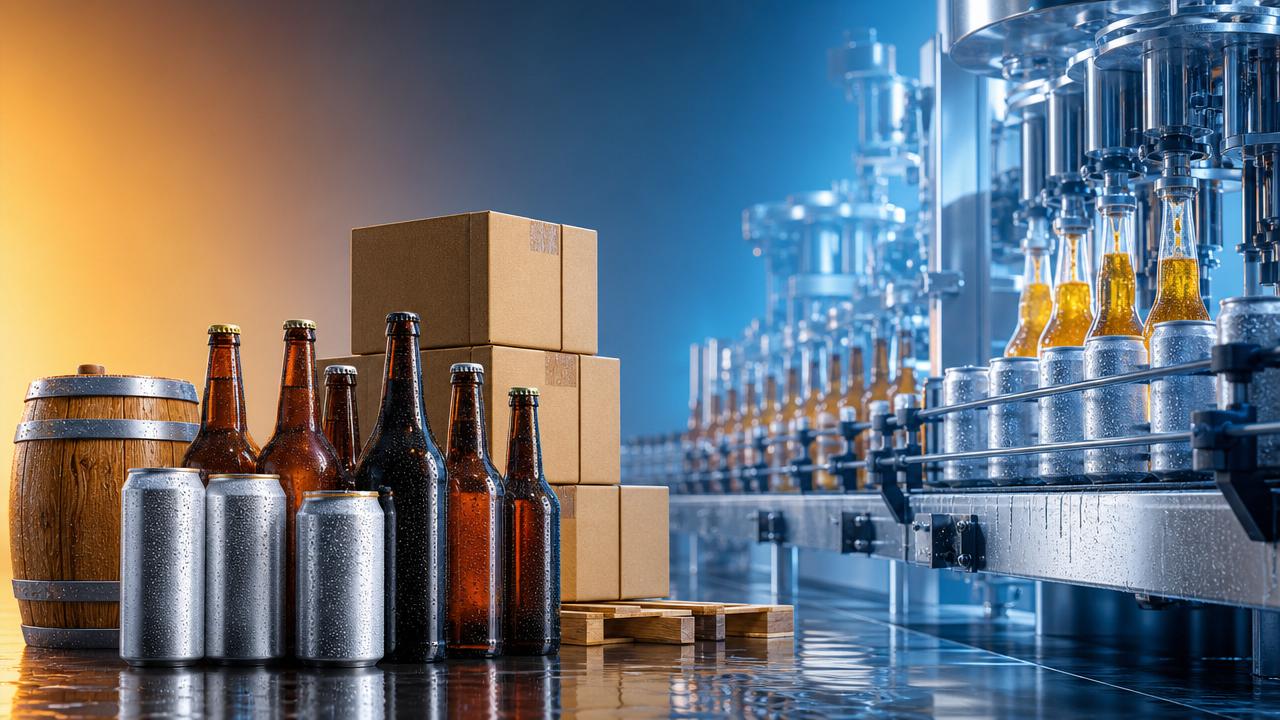
Does a Chinese Beer Contract Manufacturer Support Exports?
For international beer supply planning, working with a Chinese beer contract manufacturer can simplify product expansion and market entry.
Jinpai Beer supports export-oriented OEM/ODM cooperation with classic lager, German wheat, sugar-free low-calorie beer, fruit-flavored beer, and functional specialty beers.
Flexible customization, wholesale supply, and channel support help beer products reach restaurants, supermarkets, bars, and retail networks worldwide.
When Export Support Becomes the Key Decision Point
Export support is not only about shipping beer overseas.
It involves product matching, packaging adaptation, shelf-life planning, documentation, and stable batch production.
A Chinese beer contract manufacturer with export experience can reduce coordination pressure during cross-border beer projects.
Different markets have different alcohol regulations, labeling expectations, flavor preferences, and retail price structures.
That is why scenario-based evaluation matters before confirming a beer OEM or ODM cooperation model.
For example, a supermarket channel may value stable carton packaging and barcode accuracy.
A bar channel may care more about taste profile, bottle design, keg supply, and repeat delivery rhythm.
Scenario 1: Launching Private Label Beer for Retail Channels
Private label beer projects usually require clear brand positioning and repeatable production quality.
A Chinese beer contract manufacturer can support recipe selection, packaging design, filling formats, and commercial production scheduling.
Retail products often need attractive labels, clear ingredient information, and packaging that performs well during transport.
Jinpai Beer offers classic lager and German wheat as practical starting points for broad consumer acceptance.
These beer styles are familiar, stable, and suitable for supermarkets, convenience stores, and mixed retail shelves.
For differentiated shelves, fruit-flavored beer and low-calorie beer can help create a lighter lifestyle image.
Scenario 2: Supplying Restaurants, Bars, and Hospitality Venues
On-premise channels need beer that fits meals, service speed, and atmosphere.
A Chinese beer contract manufacturer should help balance taste intensity, carbonation, serving format, and brand presentation.
Restaurants may prefer easy-drinking lager or wheat beer for wide pairing flexibility.
Bars may prefer craft-inspired flavors, seasonal fruit beers, or specialty beers that support premium menus.
For hospitality supply, stable replenishment matters as much as flavor innovation.
Export cooperation should consider carton durability, pallet loading, bottle protection, and inventory turnover.
Scenario 3: Entering Health-Oriented and Lifestyle Beer Segments
Lifestyle beer demand is growing across many international markets.
Sugar-free low-calorie beer can serve consumers seeking lighter options without leaving the beer category.
Functional specialty beers can support more distinctive market concepts when regulations and labeling are properly reviewed.
In this scenario, a Chinese beer contract manufacturer should assist with formulation consistency and claim-sensitive packaging language.
The main judgment point is not only whether the recipe is possible.
It is whether the final product fits local rules, consumer expectations, and shelf communication.
Scenario 4: Testing New Markets with Flexible Beer Supply
New market testing requires flexibility before large-scale commitment.
A Chinese beer contract manufacturer can help compare SKUs, packaging formats, and trial production plans.
Market testing may begin with lager, wheat beer, or fruit-flavored beer to measure consumer response.
The testing stage should define target price, minimum order planning, lead time, and feedback collection methods.
Export support is valuable when product samples, packaging files, and shipment timelines are coordinated early.
This prevents delays caused by label revisions, carton changes, or incomplete import documents.
How Export Needs Differ by Beer Sales Scenario
This comparison shows why one export beer solution cannot fit every channel.
The right cooperation model depends on channel structure, sales rhythm, branding depth, and regulatory requirements.
Practical Fit Checklist Before Choosing a Supplier
Before confirming cooperation, the project should clarify several operational points.
- Confirm beer style, target alcohol level, sweetness, bitterness, and carbonation preference.
- Decide whether OEM, ODM, private label, or wholesale supply is more suitable.
- Check bottle, can, carton, pallet, and container loading requirements early.
- Prepare label language, nutrition information, barcode, and market-specific warnings.
- Set expected order quantity, delivery schedule, and seasonal stock planning.
- Review sample approval, quality standards, and batch consistency procedures.
A Chinese beer contract manufacturer with export capability should communicate these details before mass production.
Early alignment helps control cost, avoid relabeling, and improve launch reliability.
Beer Style Matching for Export-Oriented Projects
Beer style selection should match channel expectations and local drinking habits.
Classic lager is often suitable for broad-volume retail and food-service applications.
German wheat beer can work well where smooth mouthfeel and aromatic character are valued.
Fruit-flavored beer may fit younger lifestyle shelves, casual bars, and seasonal promotions.
Sugar-free low-calorie beer can support wellness-focused positioning and lighter consumption occasions.
Functional specialty beers require more careful market evaluation, especially around claims and allowed ingredients.
Jinpai Beer supports multiple product directions, making export projects easier to adapt by scenario.
Common Misjudgments in Beer Export Cooperation
One common mistake is choosing a flavor before defining the selling channel.
A beer that performs well in bars may not suit supermarket price competition.
Another mistake is treating packaging as a final-stage task.
For exports, packaging affects compliance, transport protection, shelf appeal, and customs document consistency.
Some projects also underestimate lead time for artwork confirmation and import review.
A reliable Chinese beer contract manufacturer should encourage early review of labels, cartons, and shipment requirements.
Ignoring shelf life is another risk, especially for long-distance ocean freight.
Production schedule, storage conditions, and sales velocity should be planned together.
How Jinpai Beer Supports Export Cooperation
Jinpai Beer combines craft beer R&D, production capability, and distribution experience.
Our OEM/ODM services support customized recipes, brand concepts, packaging solutions, and wholesale supply needs.
As a Chinese beer contract manufacturer, Jinpai Beer can help align product development with export channel requirements.
Available product directions include classic lager, German wheat, low-calorie beer, fruit beer, and specialty beer options.
Products can be supplied through online and offline channels, supporting international retail and food-service distribution.
The cooperation process can begin with product discussion, sample planning, packaging confirmation, and export schedule alignment.
Next Step: Build an Export Beer Plan by Scenario
A successful export beer project starts with a clear scenario, not only a product name.
Define the sales channel, preferred beer style, packaging format, target price, and first shipment plan.
Then compare whether OEM, ODM, wholesale supply, or a customized solution is the best fit.
Jinpai Beer welcomes long-term cooperation for global beer distribution, agency, retail, restaurant, supermarket, and bar channels.
To evaluate an export project, share the target market, product direction, packaging needs, and expected order plan.
Working with the right Chinese beer contract manufacturer can turn market ideas into practical beer supply solutions.
Thank you very much for writing to us. Please leave your message and contact information, we will reply to you within 24 hours.