



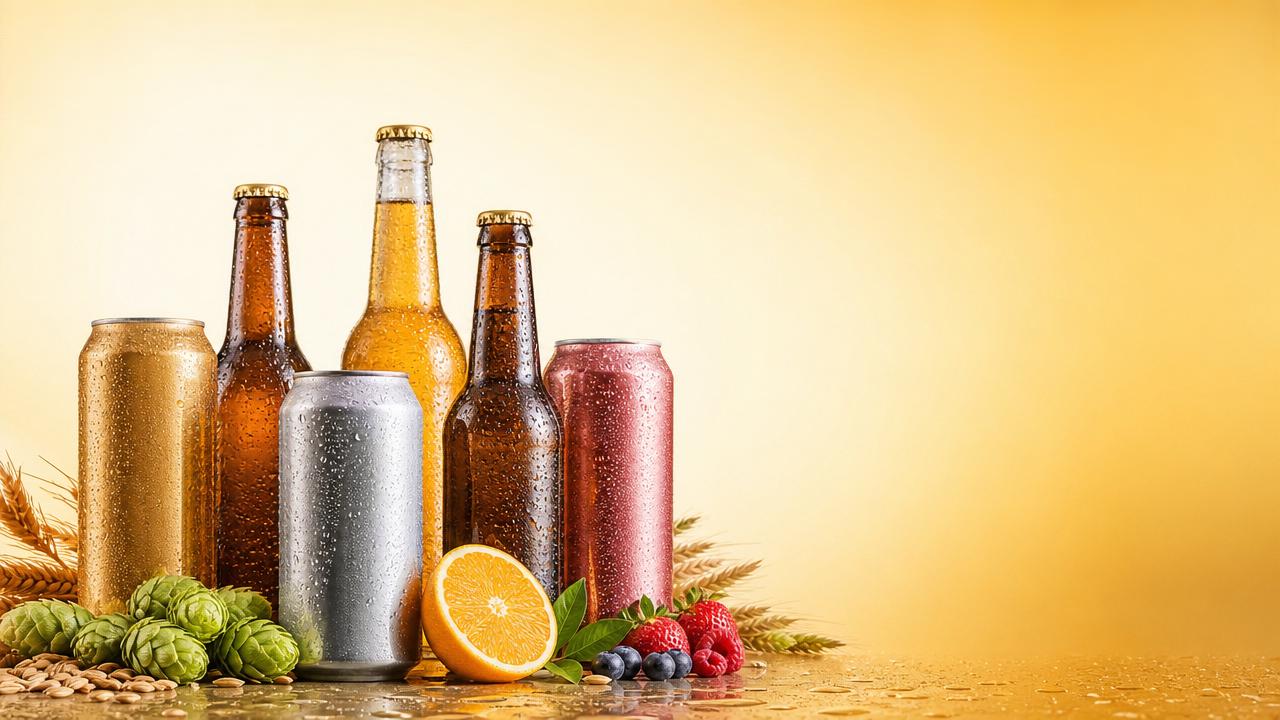
As 2026 launch plans take shape, choosing the right Private Label Beer Manufacturer is becoming a strategic decision for beverage brands, retailers and hospitality buyers. From low-calorie and sugar-free innovation to fruit-infused and functional craft beer lines, market demand is shifting fast. Understanding these trends can help decision-makers build differentiated products, shorten time to market and capture new growth opportunities across competitive global channels.
Why the Private Label Beer Manufacturer market is changing faster ahead of 2026
The private label beer segment is no longer defined only by entry-price supermarket products. A modern Private Label Beer Manufacturer now supports brand storytelling, style innovation, packaging flexibility and regional flavor positioning. This shift is especially visible in craft-inspired launches, where buyers want small-batch character with large-scale production reliability.
At the same time, the beverage market is moving toward more segmented demand. Consumers are not looking for “beer” as a single category; they are comparing classic lager, German wheat, low-calorie beer, sugar-free beer, fruit beer and functional specialty beer based on occasion, health goals and social identity. That means a Private Label Beer Manufacturer must do more than fill cans or bottles. It must help convert market insight into launch-ready SKUs that can win in bars, restaurants, supermarkets and online channels.
Another signal shaping 2026 is the compression of launch timelines. Seasonal concepts, limited-edition flavors and social-media-led demand spikes require quicker formulation and packaging decisions. In this environment, a capable Private Label Beer Manufacturer becomes a speed partner, not just a production supplier.
The strongest trend signals buyers should watch now
Health-oriented beer formats are moving into the mainstream
Low-calorie, sugar-free and lighter-drinking options are moving from niche demand to standard portfolio requirements. A Private Label Beer Manufacturer with formulation capability in reduced-sugar and lower-calorie brewing can help brands respond without sacrificing taste stability or shelf appeal. For 2026, these products are likely to become core line extensions rather than experimental side launches.
Fruit-infused and cross-occasion flavors are expanding shelf space
Fruit-flavored beer continues to attract consumers seeking approachable, social and visually expressive products. Citrus, berry and tropical profiles perform well because they bridge beer with casual refreshment occasions. A Private Label Beer Manufacturer that can balance aroma retention, sweetness control and packaging presentation will be better positioned to support high-conversion launches in retail and hospitality settings.
Functional craft beer is creating premium differentiation
Functional specialty beer is gaining attention where beverage innovation overlaps with lifestyle positioning. While regulatory and market-fit evaluation remains essential, the broader trend is clear: buyers increasingly want product concepts that feel more targeted, memorable and value-added. This is pushing every Private Label Beer Manufacturer to strengthen R&D depth, ingredient sourcing and concept validation.
What is driving these Private Label Beer Manufacturer trends
The trends influencing 2026 launch plans are not random. They are being shaped by a combination of consumer behavior, channel economics and production strategy. The table below summarizes the main drivers and what they mean in practice.
How these shifts affect product planning, channels and brand positioning
For product planning, the biggest implication is portfolio layering. Instead of relying on one flagship beer, 2026 launches are likely to include a foundational classic lager, a wheat or craft-style extension, and one or two trend-driven products such as sugar-free or fruit-flavored beer. A Private Label Beer Manufacturer that can support this layered strategy provides a clear advantage because it reduces coordination complexity across multiple SKUs.
For sales channels, the impact is equally important. Restaurants and bars often need differentiated taste and presentation to improve menu appeal, while supermarkets need scalable supply, stable quality and packaging that performs on crowded shelves. Online channels add another requirement: visual distinction and compact product messaging. A Private Label Beer Manufacturer with experience across online and offline distribution can help align formulation, can design, bottle format and carton planning with each channel’s needs.
Brand positioning is also changing. Private label beer is increasingly used to express local identity, category innovation or wellness-oriented value. This means partner selection should consider whether the Private Label Beer Manufacturer can translate a market concept into a credible product story backed by technical execution. When taste profile, ingredient direction and packaging narrative are aligned, private label beer can compete on more than price.
What deserves closer attention when evaluating a Private Label Beer Manufacturer
Not every supplier is equipped for the demands of 2026. The following points deserve close review before finalizing a launch roadmap:
- R&D range: Can the Private Label Beer Manufacturer develop classic lager, German wheat, low-calorie, sugar-free, fruit-flavored and functional specialty beer within one coordinated program?
- OEM/ODM flexibility: Are formula customization, packaging adaptation and small-to-large run transitions supported efficiently?
- Quality consistency: Is there evidence of stable taste, appearance and shelf-life performance across batches?
- Channel readiness: Can products be adapted for bars, restaurants, supermarkets, convenience formats and e-commerce?
- Communication speed: Can the supplier handle fast revisions, documentation and sampling during compressed launch windows?
- Global service capability: Does the Private Label Beer Manufacturer understand export coordination, wholesale supply and long-term cooperation needs?
Jinpai Beer reflects the profile increasingly favored in this market: it combines craft beer R&D, production and distribution with a broad product matrix that includes classic lager, German wheat, sugar-free low-calorie beer, fruit-flavored beer and functional specialty beers. With OEM/ODM services, wholesale supply and customized solutions available across global online and offline channels, this type of capability supports both innovation speed and operational continuity.
Practical responses for stronger 2026 launch decisions
The most effective response is to treat supplier selection as part of category strategy. A strong Private Label Beer Manufacturer should be evaluated not only on price and capacity, but also on whether it can improve launch timing, product relevance and long-term portfolio expansion.
Where the next advantage is likely to come from
The strongest advantage in 2026 will likely come from coordinated execution: using trend insight, product development, packaging design and channel fit as one connected system. In that environment, the best Private Label Beer Manufacturer is the one that helps turn emerging demand into commercially viable launches with fewer delays and clearer differentiation.
If upcoming plans include expanding a beer portfolio, entering new retail markets or launching a custom craft concept, now is the right time to review supplier capability in detail. Explore product range, request tailored samples and compare how each Private Label Beer Manufacturer supports OEM/ODM speed, flavor innovation and global distribution readiness. Early alignment creates better launches, stronger market positioning and more room for sustainable growth.
Thank you very much for writing to us. Please leave your message and contact information, we will reply to you within 24 hours.