



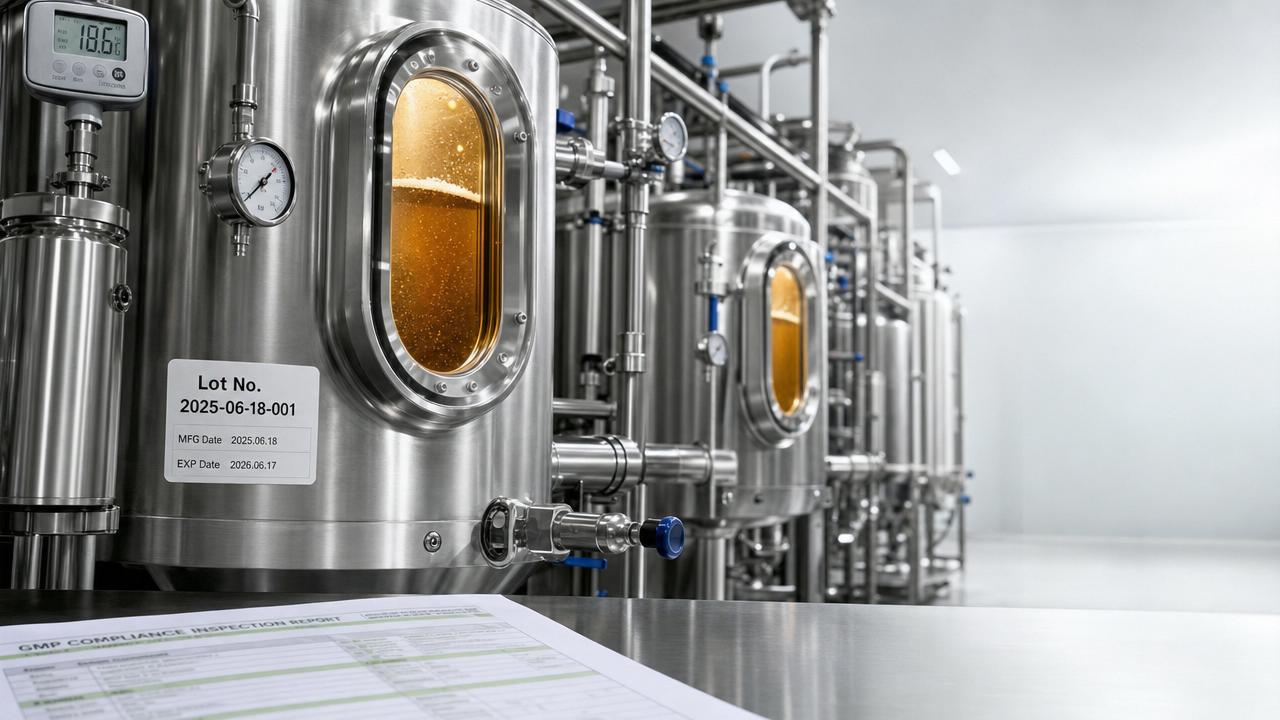
When evaluating an OEM/ODM Beer Supplier, 'GMP-compliant' isn’t just a checkbox—it’s a tangible reflection of facility standards, process control, and audit readiness. For procurement and quality assurance professionals vetting partners like Jinpai Beer, understanding what GMP compliance actually entails on the ground—from raw material traceability to batch documentation and sanitation protocols—is critical to mitigating supply chain risk. This article cuts through the jargon, revealing how rigorous, verifiable GMP practices translate into consistent product quality, regulatory confidence, and scalable OEM/ODM collaboration—especially for craft beer categories ranging from sugar-free lagers to functional specialty brews.
What “GMP-Compliant” Means Beyond the Label
Good Manufacturing Practice (GMP) is not a certification you simply “hold”—it’s a living system embedded in daily operations. In the context of an OEM/ODM Beer Supplier, GMP compliance means documented evidence that every stage—from malt receipt and yeast propagation to fermentation monitoring, filtration, canning, labeling, and warehouse storage—follows standardized, validated, and consistently enforced procedures.
For craft beer specifically, GMP goes beyond basic food safety. It addresses variables unique to brewing: temperature-sensitive yeast handling, oxygen ingress control during packaging, real-time pH and gravity tracking per batch, and allergen management (e.g., wheat, gluten-containing adjuncts in German wheat or fruit-beer infusions). A truly GMP-compliant OEM/ODM Beer Supplier maintains full batch records—including raw material lot numbers, CIP cycle logs, microbiological swab results, and finished-product stability testing—for minimum shelf-life validation across diverse formats (e.g., low-calorie beers with alternative sweeteners or functional beers containing botanical extracts).
Why GMP Rigor Matters Across Craft Beer Categories
Craft beer’s innovation velocity—sugar-free formulations, non-alcoholic variants, fruit-infused batches, and functional ingredients like adaptogens or vitamins—introduces complexity that amplifies GMP dependencies. Unlike commodity lager production, these categories demand tighter process windows and heightened documentation discipline:
- Classic lager & German wheat: Require strict yeast strain integrity, consistent fermentation temperature profiles, and gluten cross-contact controls—verified via environmental swabbing and dedicated equipment scheduling.
- Sugar-free / low-calorie beer: Depend on precise enzymatic hydrolysis and residual sugar verification (via HPLC), with full traceability of enzyme suppliers and activity logs.
- Fruit-flavored beer: Introduce microbiological risks from fresh/frozen purees; GMP mandates validated thermal treatment or sterile filtration, plus accelerated spoilage challenge testing.
- Functional specialty beer: Involve regulated ingredient integration (e.g., L-theanine, B vitamins); GMP requires supplier qualification, Certificate of Analysis (CoA) review, and dosage reconciliation per batch.
Without integrated GMP systems, variation compounds rapidly—leading to off-flavors, haze instability, inconsistent ABV, or label noncompliance. That directly impacts brand equity for partners relying on OEM/ODM Beer Supplier consistency.
Auditing GMP: Five Ground-Level Verification Points
Third-party audits often miss operational reality. When assessing an OEM/ODM Beer Supplier, prioritize evidence—not statements. Here are five verifiable indicators of authentic GMP implementation:
How Jinpai Beer Embeds GMP Into OEM/ODM Execution
Jinpai Beer operates certified brewing facilities aligned with ISO 22000 and HACCP frameworks—and extends GMP rigor into every OEM/ODM engagement. Each client project initiates with a joint Quality Agreement defining critical control points, sampling plans, and documentation deliverables (e.g., full batch records, CoAs, shelf-life reports). For sugar-free and functional beers, Jinpai maintains separate fermentation suites, dedicated filtration lines, and validated cleaning protocols to prevent carryover.
All OEM/ODM partners receive real-time access to digital batch dashboards showing live fermentation metrics, QC test results, and packaging performance. No batch ships without QA sign-off—and no deviation remains untracked. This infrastructure enables reliable scaling: whether producing 500L experimental fruit sours for boutique bars or 20,000-case annual runs of low-calorie lager for supermarket chains, GMP fidelity remains constant.
Actionable Next Steps for Partners
Before finalizing an OEM/ODM Beer Supplier relationship, take these concrete steps:
- Request a copy of their most recent third-party GMP audit report—with corrective action status visible.
- Ask for batch records from a recent production run matching your target category (e.g., fruit-flavored or functional beer)—not generic templates.
- Verify if their traceability system supports rapid recall simulation—and request proof of its last successful execution.
- Confirm whether GMP training records for production staff are updated quarterly, with competency assessments included.
- Evaluate contract language: Does it mandate GMP maintenance *throughout* the partnership—not just at onboarding?
GMP compliance is not static. It’s sustained through culture, documentation, and daily accountability. With Jinpai Beer, OEM/ODM collaboration begins where GMP ends: with verified consistency, transparent records, and shared responsibility for quality—batch after batch, market after market.
Explore tailored OEM/ODM solutions for craft beer categories—from classic lager to functional specialty brews—with full GMP traceability and global distribution support. Contact Jinpai Beer to initiate a quality alignment review and request facility audit documentation.
Thank you very much for writing to us. Please leave your message and contact information, we will reply to you within 24 hours.